Understanding the steps involved in radiation therapy can help you feel more prepared for your treatment journey. This process is typically structured into distinct phases: before, during, and after treatment. Each stage has its own set of procedures and expectations. Familiarizing yourself with this general framework can provide a clearer picture of what lies ahead.
Before Treatment
Your journey with radiation therapy begins with a consultation. You will meet with a radiation oncologist, a specialist in this type of treatment. They will review your medical history and perform a physical exam. This is a good opportunity to ask questions about the treatment’s goals and any potential side effects.
Following the initial meeting, you will go through a process called simulation. During this appointment, the radiation oncology team determines the exact area to be treated. You will lie on a table while imaging scans, like a CT scan, are taken. The team may make small marks on your skin to help position you correctly for each session. They might also create custom molds or masks to help you stay still during treatment. Using this information, the team develops a personalized radiation therapy plan.
During Treatment
Radiation therapy can feel overwhelming, but understanding the process can make it easier to navigate. Here’s what to expect during your sessions and how to manage the journey effectively.
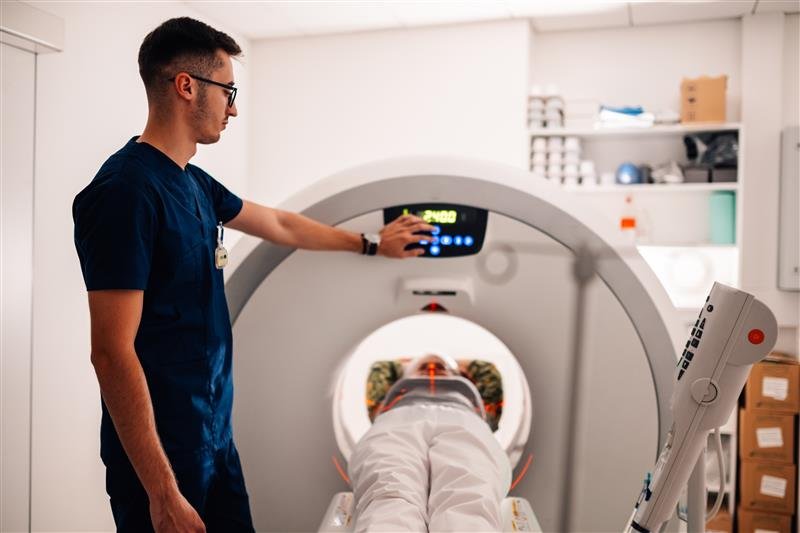
- Arrival and Preparation: A radiation therapist will greet you and guide you to the treatment room. They will help position you on the treatment table using marks and custom devices from your initial simulation.
- Treatment Process: The therapy is painless and lasts only a few minutes. The machine delivers radiation from different angles, but you won’t feel it. While you’re alone in the room, therapists monitor you through video and audio connections and can communicate with you at any time.
- Treatment Schedule: Sessions typically occur daily over several weeks, but the exact number varies based on your specific treatment plan.
- Managing Side Effects: Regular check-ins with your care team help address any discomfort. They can provide advice and adjust your care plan to for the best support throughout the process.
Staying informed and in close communication with your care team will help you feel supported and make sure your treatment is as smooth and effective as possible.
After Treatment
Once you complete your final radiation therapy session, your care enters a new phase focused on recovery and follow-up. The marks on your skin will fade over time, and you can discuss skin care with your team. Side effects you experienced during treatment will typically lessen in the weeks and months that follow.
Your radiation oncologist will schedule follow-up appointments to monitor your recovery. These appointments provide an opportunity to discuss any lingering side effects and track your progress. The frequency of these visits will decrease over time. Your long-term care plan will be coordinated with your other doctors.
Consult a Radiation Therapy Specialist
Navigating the radiation therapy process involves many steps, and having professional guidance is key. Your care team is there to support you with information and practical help. If you have questions about your specific treatment plan or what to expect, speaking directly with a radiation therapy specialist is the best course of action. They can provide detailed information tailored to your health situation. Reach out to a qualified professional to get the clear, personalized answers you need.