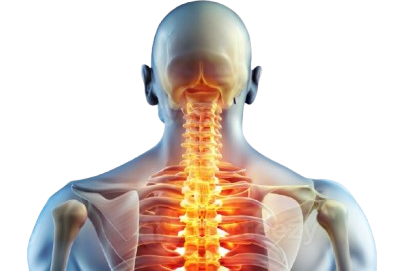
Spinal cord stimulation (SCS) is a treatment method used for managing certain types of chronic pain. It involves the use of a small, implanted device that delivers low levels of electricity directly to the spinal cord. This interrupts pain signals before they can reach the brain. Here are some things you should know about SCS:
Understanding How Spinal Cord Stimulation Works
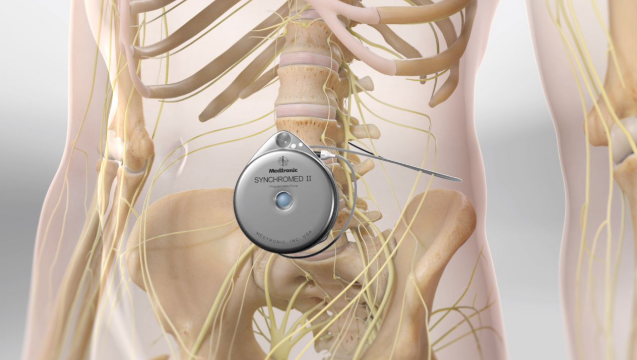
Spinal cord stimulation operates by modifying pain messages that travel along the spinal cord. A pulse generator is surgically placed under the skin, usually in the buttock or abdominal area. This generator is connected to thin wires, which are positioned in the epidural space surrounding the spinal cord.
When activated, the generator sends mild electrical pulses through the wires. These pulses interfere with the nerve signals that transmit feelings of pain, replacing them with a different sensation, often a gentle tingling. Some SCS systems offer sub-perception therapy, which works to block pain signals without creating any tingling feeling at all.
Knowing What to Expect From the Trial Period
Before a permanent device is implanted, patients typically undergo a trial period. This helps determine if SCS will be an effective pain management tool for their condition. The leads are temporarily placed in the epidural space through a minimally invasive procedure, and the external pulse generator is worn on a belt.
The trial period usually lasts for several days. During this time, you will complete your daily activities to see how well the stimulation reduces your pain and improves your ability to perform tasks. Keeping a log of your pain levels and changes you notice helps demonstrate the treatment’s effectiveness.
Living With SCS
A key aspect of spinal cord stimulation is the level of control it gives to the patient. After implantation, you are able to manage the stimulation. Using a handheld remote control, you can turn the system on or off, adjust the intensity, and switch between preset programs designed by your doctor. This allows you to tailor the treatment to your pain levels, which may change throughout the day.
Making Lifestyle Adjustments
Living with a spinal cord stimulator involves some lifestyle adjustments. You will receive guidance on activities to avoid, especially during the initial recovery period after surgery, to prevent the leads from moving. While many people return to a wide range of activities, some actions, such as deep bending or twisting, may require modification. Other lifestyle modifications may include:
- Exercise: While light exercises are generally encouraged, high-impact or strenuous activities should be avoided unless cleared by your doctor. This helps reduce the risk of lead displacement.
- Posture: Paying attention to your posture during daily activities helps minimize strain on your back and the implant; avoid prolonged positions that could cause discomfort.
- Travel: Always carry your medical ID card when traveling, and inform security personnel about your device, as it may trigger metal detectors at airports.
- Sleep: Finding a comfortable sleeping position that does not place pressure on the implant site helps support better rest and recovery.
Treating Back Pain Today
Spinal cord stimulation offers one approach to pain management by altering how the body perceives pain signals. It provides a method that allows patients to actively manage their daily needs and pain fluctuations. Contact a pain management specialist today to discuss your options and learn more about potential treatments.