Ophthalmologists are medical doctors who specialize in eye care, with expertise in both medical and surgical services related to vision and eye health. They learn to diagnose, manage, and treat conditions affecting the eyes. Here is some information about the role ophthalmologists play in preventive eye health:
Correcting Vision
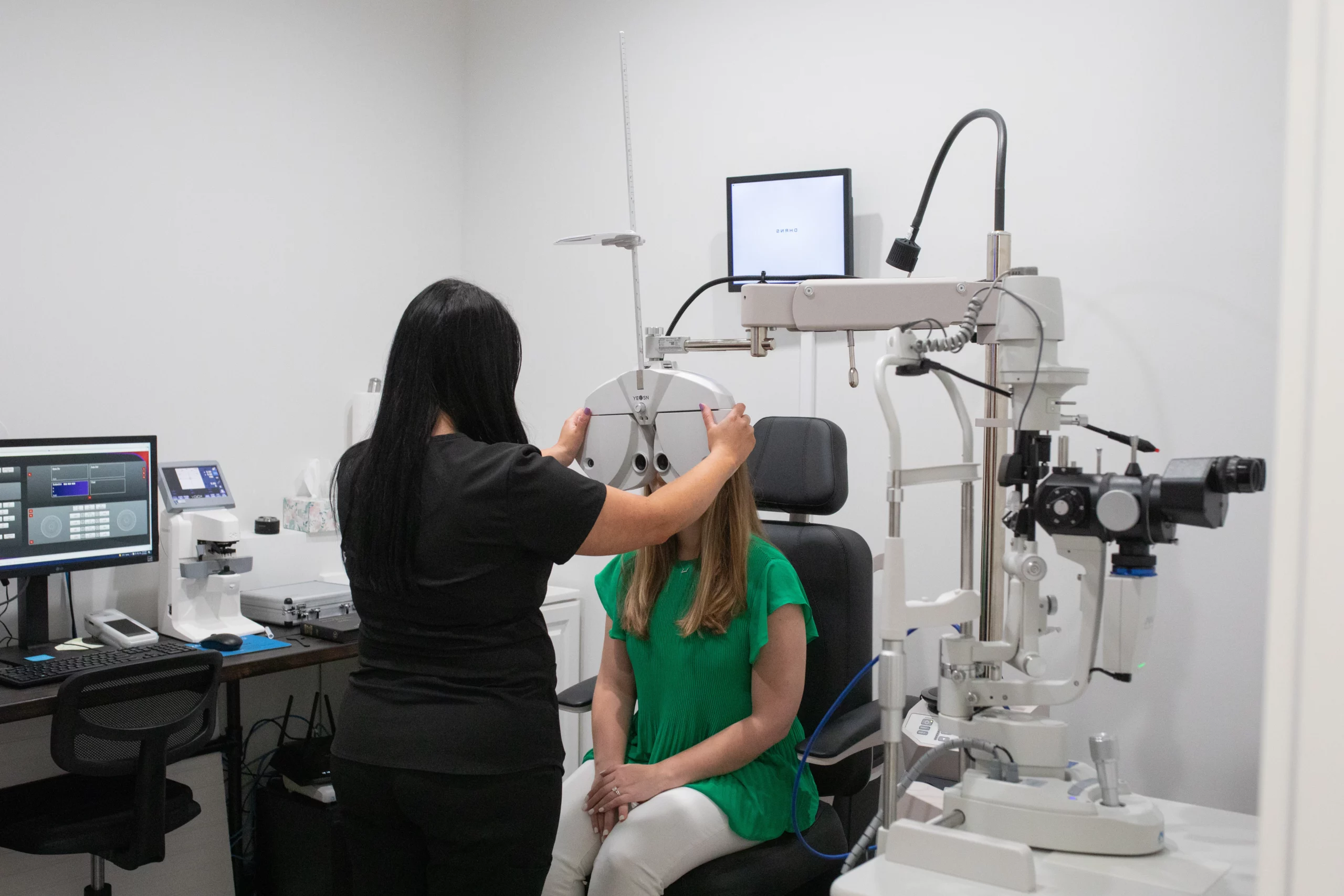
A key responsibility for ophthalmologists is addressing refractive errors that impact how you see. Refractive errors, like nearsightedness, farsightedness, and astigmatism, change the way light enters and focuses within your eye. Blurry or strained vision often results from these issues. To provide clarity, ophthalmologists perform refraction tests that assess your vision and determine the prescription you need.
They prescribe eyeglasses or contact lenses tailored to your visual requirements. They also explain how to use these corrective lenses safely and effectively, recommending proper cleaning and storage practices. For individuals seeking options beyond glasses or contacts, ophthalmologists can evaluate eligibility for procedures such as LASIK or PRK. By correcting vision problems, these specialists make everyday activities more accessible; reading, driving, using digital devices, and participating in sports become less challenging. Clear vision also reduces the risk of eye strain and supports learning in children and young adults.
Identifying Diseases
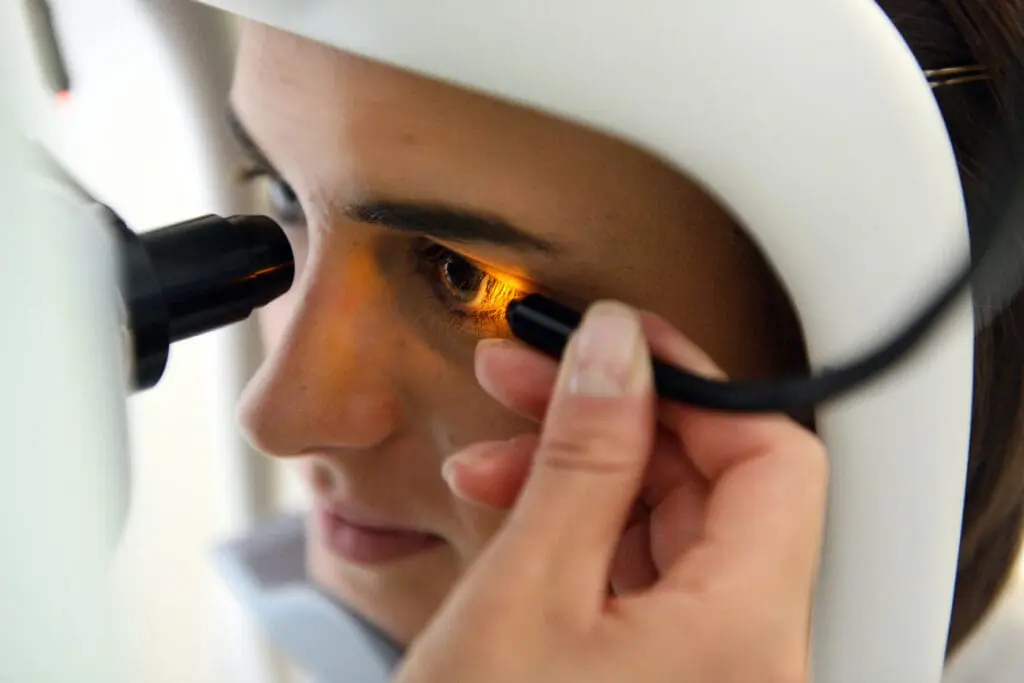
Ophthalmologists are skilled at evaluating eye health for signs of diseases that may develop over time. Many sight-threatening conditions, such as glaucoma, diabetic retinopathy, age-related macular degeneration, and cataracts, begin without noticeable symptoms. Early disease stages might not cause discomfort or changes in vision, leading to delayed care. During a comprehensive eye exam, an ophthalmologist examines the surface of your eye and its internal structures. This in-depth assessment checks for signs of disease progression or risk factors, such as increased intraocular pressure or abnormalities in the retina’s blood vessels. Glaucoma testing identifies raised pressure inside the eye, and lowering pressure may help slow additional damage. Retinal exams detect signs of diabetic eye disease or age-related changes. By identifying concerns early, ophthalmologists present patients with a range of management strategies that focus on slowing progression and preserving vision.
Monitoring Vision Changes
As you age, your vision can change for many reasons, including:
- The natural aging process
- Environmental exposure
- Underlying health problems
Ophthalmologists monitor these changes, staying alert for patterns that indicate new or advancing problems. For people living with chronic diseases, routine eye exams are particularly relevant; these health issues can directly affect structures like the retina, lens, or optic nerve. With regular monitoring, ophthalmologists gather a history of your eye health over time. This helps them track shifts, such as the advancement of cataracts or the development of macular changes, before symptoms become obvious. For those using medications with potential eye-related side effects, ophthalmologists check for adverse reactions.
Work With Ophthalmologists Today
Ophthalmologists provide thorough and wide-ranging care to individuals seeking support for their eyesight. Their experience covers everything from vision correction to diagnosis and long-term management of complex eye diseases. By attending regular eye exams, you take an active role in protecting your vision and staying informed about potential concerns. Schedule an eye examination with an eye doctor today to care for your eye health.