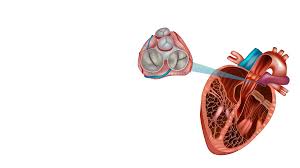

Cholesterol is a waxy substance that plays a key role in various bodily processes, including hormone production, vitamin D synthesis, and digestive functions. The liver produces cholesterol, and people also absorb it from certain foods, affecting the total levels. High cholesterol is closely linked to cardiovascular health, highlighting its broader impact on overall well-being. Here’s how elevated cholesterol levels can affect heart health:
Understanding Cholesterol in the Body
Cholesterol does not travel through the bloodstream alone; it attaches to proteins, forming molecules called lipoproteins. Two fundamental types of lipoproteins, categorized by density, include:
- Low-Density Lipoprotein (LDL): Often identified as “bad” cholesterol, LDL delivers cholesterol to various parts of the body. High amounts of LDL are linked with increased plaque formation.
- High-Density Lipoprotein (HDL): Known as “good” cholesterol, HDL removes extra cholesterol from the bloodstream. It then transports the cholesterol back to the liver, where the body eliminates it.
Maintaining a healthy balance of LDL and HDL cholesterol is key to circulatory system health. Excess LDL contributes to vascular changes linked to cardiovascular disease, and lifestyle choices can significantly influence cholesterol levels. Individuals and healthcare providers should monitor these factors as part of ongoing risk management.
Detailing How Atherosclerosis Develops
High levels of LDL cholesterol contribute to the development of atherosclerosis. This condition occurs when plaque, a substance made from cholesterol, fats, calcium, and other materials, builds up on the walls of arteries. The increasing amount of plaque narrows and hardens arteries over time.
Restricted arteries reduce the flow of oxygen-rich blood to various tissues and organs, including the heart and brain. When plaque deposits rupture, the body typically initiates a clotting response at the affected site. A resulting clot might further limit blood flow or break free and move to another region, obstructing circulation elsewhere. Examining blood cholesterol enables professionals to assess individual risk.
Exploring Cardiovascular Conditions
The process of atherosclerosis, prompted by high cholesterol levels, is associated with several key cardiovascular conditions. Outcomes depend on which specific arteries experience plaque buildup:
- Coronary Arteries: When atherosclerosis narrows the arteries that supply the heart, the result is called coronary artery disease (CAD). A severe reduction or total blockage of blood flow could produce acute cardiac symptoms.
- Carotid Arteries: These arteries carry blood to the brain. Buildup here increases the risk that a clot or dislodged plaque fragment will limit cerebral blood flow.
- Peripheral Arteries: Peripheral artery disease (PAD) develops when arteries supplying blood to the arms or legs accumulate plaque. This can result in reduced circulation and physical discomfort.
Successful management of cholesterol, alongside other lifestyle and health factors, is fundamental to supporting cardiovascular wellness. It may be helpful for individuals to contemplate personalized approaches for cholesterol management, informed by regular health evaluations and guidance from a qualified provider.
Prevent and Treat High Cholesterol
Cholesterol affects cardiovascular health in fundamental ways. Understanding how it travels, the process of atherosclerosis, and related conditions provides a strong foundation, and this knowledge helps guide informed health decisions. Regular cholesterol monitoring and healthy lifestyle habits support cardiovascular function. If you have questions about cholesterol or heart health, discuss them with a primary care provider today to promote long-term wellness.