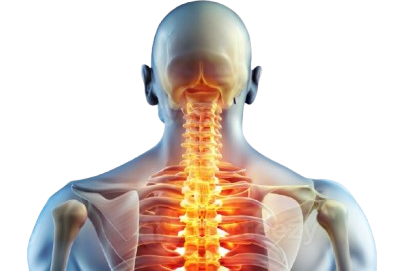

Arm pain can range from mild discomfort to a warning sign of an underlying condition that needs medical attention. While minor aches often result from overuse or strain, persistent or severe pain may indicate nerve, joint, or cardiovascular issues. Here are some key signs that indicate it’s time to see a doctor for arm discomfort and get the right treatment:
Understanding What Causes Arm Pain
Arm pain can arise from various underlying conditions. Here is a list of frequent causes that patients and healthcare providers should contemplate:
- Muscle Strain: Often caused by overuse or minor injuries, leading to localized soreness or stiffness.
- Tendonitis: Inflammation of the tendons, frequently resulting from repetitive motions.
- Nerve Compression: Issues such as carpal tunnel syndrome or a pinched nerve in the neck that radiates pain into the arm.
- Joint Conditions: Including arthritis or bursitis, which can affect the shoulder, elbow, or wrist joints.
- Fractures or Dislocations: Trauma that results in broken bones or misaligned joints.
- Heart-related Issues: Pain radiating to the arm, particularly the left arm, may indicate a serious condition like a heart attack.
Identifying potential root causes helps individuals better understand their symptoms and seek appropriate medical care.
Recognizing Serious Arm Pain Symptoms
Certain types of arm pain indicate serious medical emergencies requiring immediate attention. Sudden, severe pain in the left arm may signal a heart attack, particularly when accompanied by chest pain, shortness of breath, or discomfort in the jaw, neck, or back. Call emergency services immediately if you experience these symptoms.
Fractures produce intense pain, visible deformity, and inability to move the affected area. Compound fractures, where bone protrudes through the skin, require urgent surgical treatment to prevent infection and restore function. Severe nerve injuries can cause complete loss of sensation or movement in parts of the arm. These injuries may result from trauma or compression and need prompt medical evaluation to prevent permanent damage.
Knowing When to See a Doctor
Recognizing the early signs of a serious arm injury is fundamental to receiving prompt and effective medical treatment. Here are key symptoms that indicate the need for professional medical evaluation:
- Persistent pain lasting more than a few days, especially when conservative treatments like rest and over-the-counter medications fail to provide relief.
- Numbness or tingling sensations may suggest nerve involvement and require evaluation to determine the underlying cause.
- Significant swelling, particularly when accompanied by warmth and redness, may indicate infection or severe inflammation.
- Joint stiffness that limits your ability to perform daily activities may signal underlying issues requiring medical attention.
- Weakness or loss of grip strength may indicate muscle, tendon, or nerve damage.
- Pain that interferes with sleep or daily activities, or pain that worsens despite rest or appropriate home care measures, indicates the need for professional assessment.
Recognizing these signs early and seeking timely medical care can help minimize the risk of long-term complications.
Managing and Preventing Mild Arm Pain
Mild arm discomfort often responds well to conservative home treatments. Rest is fundamental for healing, especially for overuse injuries. Avoid activities that worsen your symptoms, and maintain gentle movement to prevent stiffness.
Over-the-counter anti-inflammatory medications can help reduce pain and swelling when used appropriately. Follow dosage instructions carefully and consult a pharmacist if you have questions about drug interactions or contraindications. Gentle stretching and strengthening exercises may help prevent future injuries once acute pain subsides. Start slowly and stop if exercises increase your pain. Physical therapy techniques can be helpful for chronic conditions.
Schedule Your Arm Pain Appointment Today
Understanding when arm pain requires medical attention helps protect your long-term health and function. While minor discomfort often resolves with home care, persistent or severe symptoms need professional evaluation. Contact a pain management specialist near you to schedule an appointment for your arm pain today if you experience any concerning symptoms.