
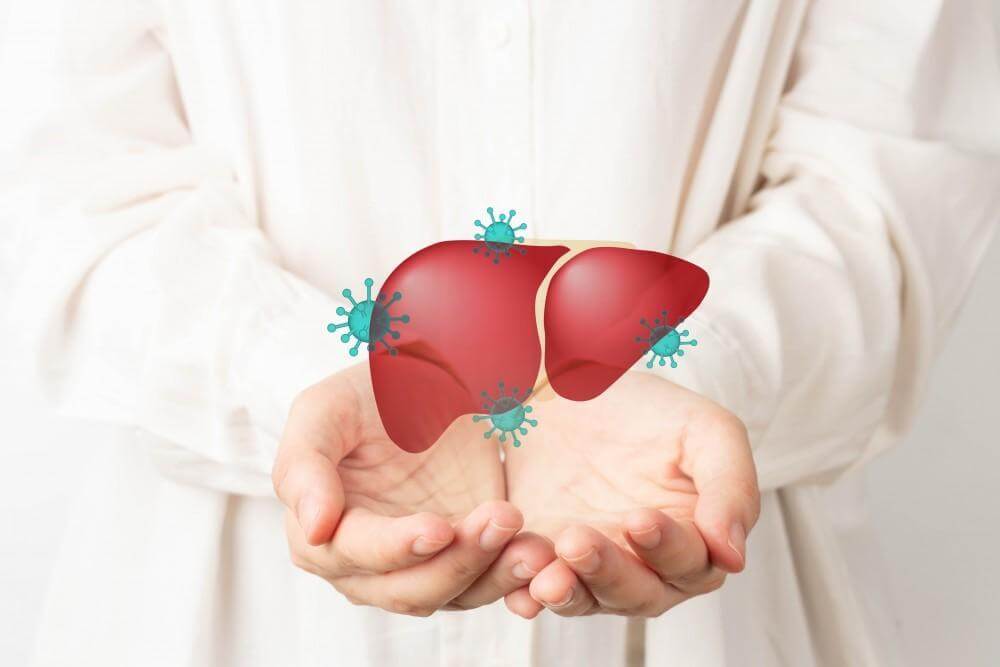
The liver is a large organ that plays a key role in maintaining the body’s health, and it is involved in digestion, metabolism, and detoxification. Liver disease refers to any condition that affects the liver’s ability to function correctly, making it beneficial to understand this condition. Here is more information on liver disease, including its causes, symptoms, and how a liver specialist diagnoses it:
What Is a Liver Specialist?
A liver specialist is a doctor who specializes in diagnosing and treating diseases of the liver, gallbladder, biliary tree, and pancreas. These physicians manage a wide range of liver conditions, from fatty changes to liver disease. They develop treatment plans tailored to the specific needs of each patient, which may involve medication, lifestyle changes, or procedures. A healthcare professional works to manage symptoms and slow the progression of diseases.
What Is Liver Disease?
Liver disease is a broad term that encompasses various conditions affecting the liver, ranging from mild to severe. Some forms of liver disease are temporary and resolve on their own, while others are chronic and lead to serious complications. Over time, damage to the liver can result in scarring, known as cirrhosis.
Cirrhosis is a late-stage condition where the liver is permanently damaged, and this scarring can impair the liver’s ability to function. This condition can lead to liver failure, a life-threatening situation where the liver has lost most or all of its function. Early detection and management of liver disease helps prevent the development of cirrhosis.
What Causes It?
Several factors have the potential to cause liver disease. Infections, immune system abnormalities, genetics, and cancer are common causes of liver problems. Lifestyle factors, such as alcohol consumption and diet, also contribute to the development of liver disease.
Viral infections like hepatitis A, B, and C are some causes of liver damage. Autoimmune conditions, such as autoimmune hepatitis and primary biliary cholangitis, occur when the body’s immune system mistakenly attacks liver cells. Inherited conditions like hemochromatosis and Wilson’s disease can also lead to liver problems.
Non-alcoholic fatty liver disease (NAFLD) is associated with obesity, type 2 diabetes, and high cholesterol. Excessive alcohol use can lead to alcoholic liver disease, which includes fatty liver, alcoholic hepatitis, and cirrhosis. Identifying the cause of liver disease is a key step in determining the most effective treatment.
How Is It Diagnosed?
Diagnosing liver disease involves a combination of medical history, physical examination, and various diagnostic tests, which help determine the cause and extent of liver damage. A doctor will typically begin by asking about symptoms, lifestyle habits, and family history of liver problems. A physical exam may reveal signs like an enlarged liver or jaundice.
Blood tests are used to assess liver function, measuring the levels of specific enzymes and proteins in the blood. Imaging tests, such as ultrasound, CT scan, or MRI, provide detailed images of the liver and reveal signs of damage. In some cases, a liver biopsy may be performed, where a small sample of liver tissue is removed and examined under a microscope.
Learn More About Liver Disease
Liver disease affects the liver’s ability to function, and it can be caused by infections, genetic factors, and lifestyle choices. Symptoms may not be noticeable at first, but may become more pronounced as the disease progresses. If you are experiencing symptoms or have questions about your liver health, consult a healthcare professional for guidance. A specialist will help you understand your options for diagnosis and treatment.