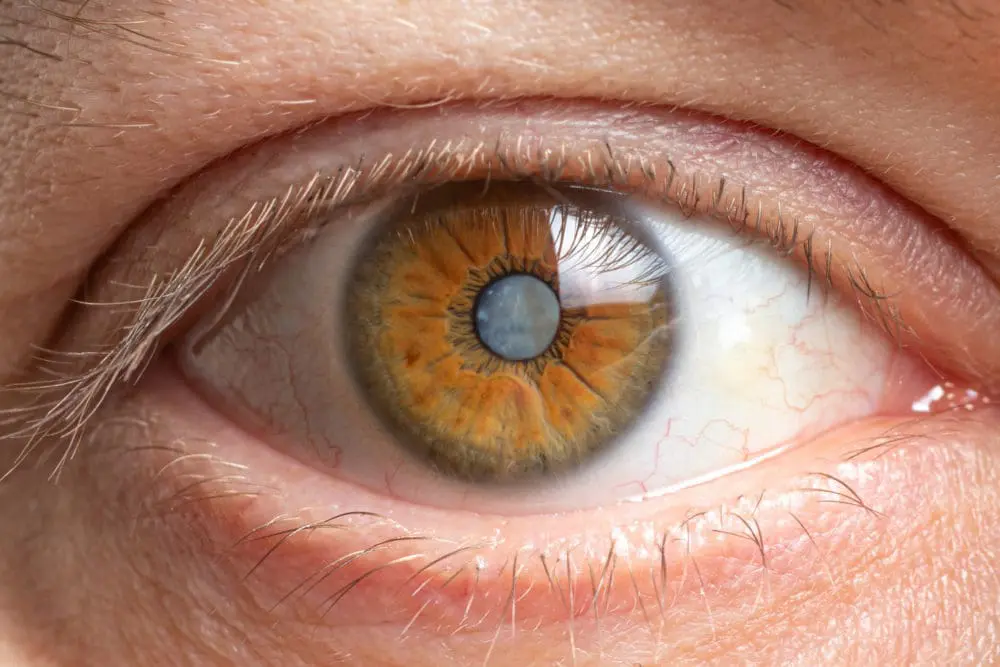
When you have eye problems, an ophthalmologist is a medical doctor who specializes in vision care. They are trained to provide the full range of eye care services, and they can prescribe glasses and perform complex eye surgery. Your first appointment is a complete check-up designed to assess your overall eye health and vision. Here is more information about what to expect at your first visit:
Medical History Evaluation
During your first visit, a thorough review of your medical history begins. You can answer questions about your general health, since many conditions affect your eyes. The doctor may ask about your family’s eye health history, and they can also ask about any medications you currently take. This information provides a baseline for your eye health.
Visual Acuity Test
After a review of your medical history, you may undergo a visual acuity test. This is a standard test using a chart with letters of decreasing size. You will read the letters from a distance, covering one eye at a time. To help the doctor understand how clearly you see, the test measures the sharpness of your vision.
The doctor uses the results to determine your baseline vision. If you already wear glasses or contact lenses, you may be asked to read the chart with and without them. This comparison shows how well your current prescription is working. The test is straightforward and provides valuable information about your vision.
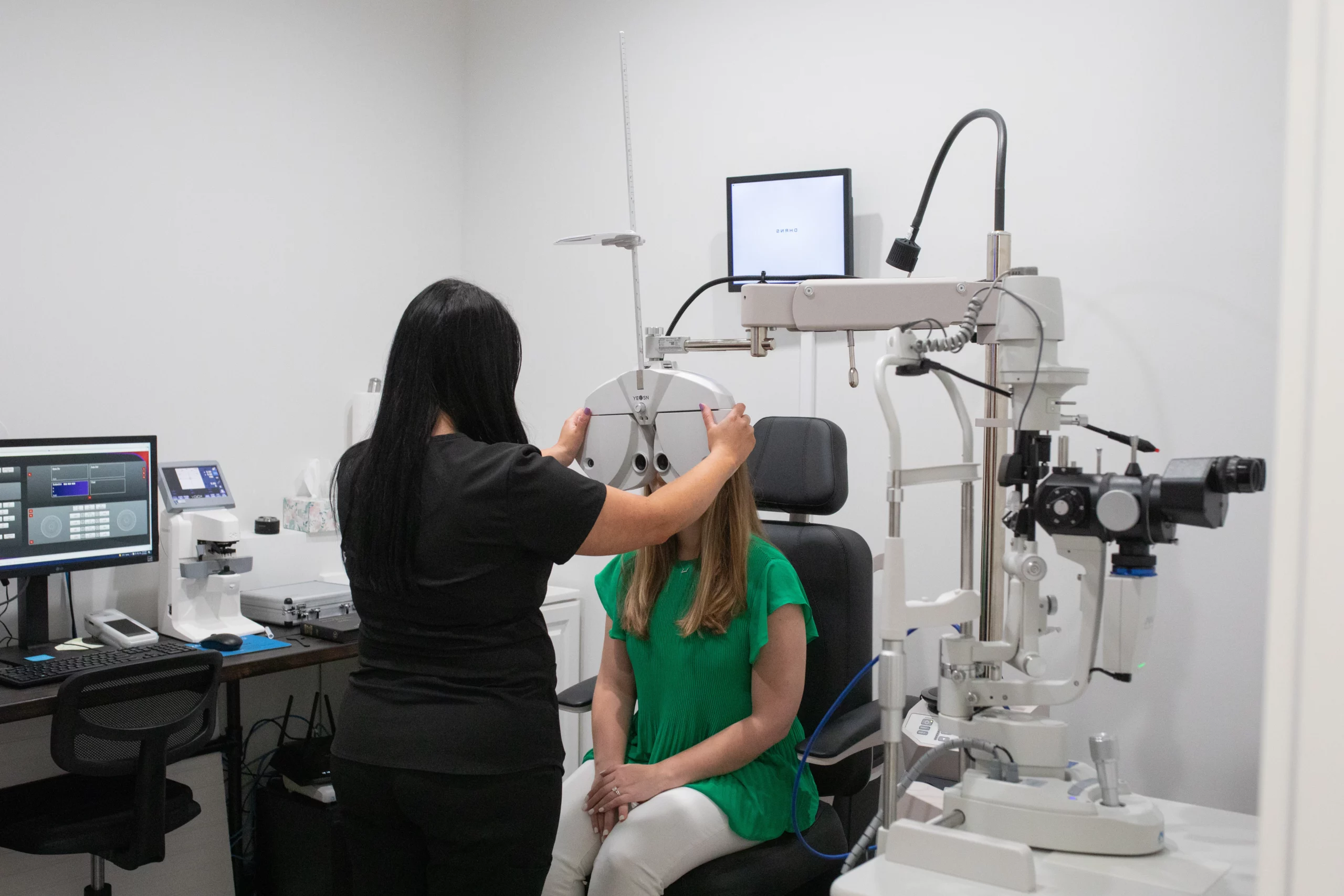
Different tools help assess your vision. Beyond the standard eye chart, the ophthalmologist may use a phoropter to determine whether glasses or contacts are needed. This tool contains various lenses that you look through. You will provide feedback on which lenses make your vision clearer.
Eye Pressure Check
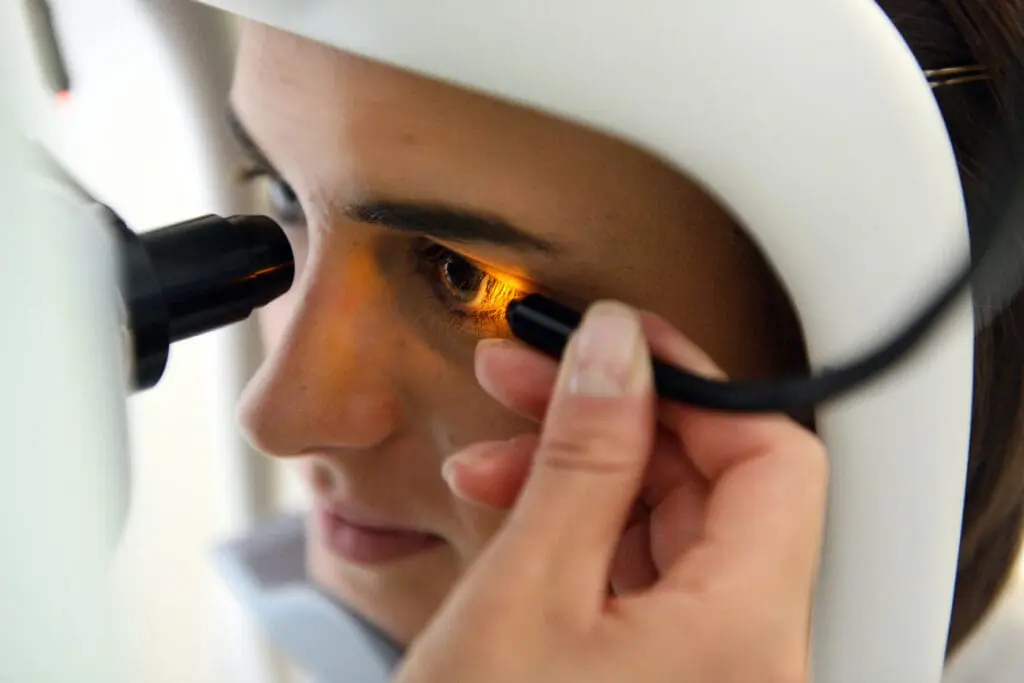
Your appointment may also include an eye pressure check; this screening measures the fluid pressure inside your eyes. Because high eye pressure may indicate glaucoma, this is a standard part of a comprehensive exam. There are a few different methods for this test.
One standard method is the “air puff” test. A small puff of air is directed at your eye, which may cause you to blink. Another method involves a tool that gently touches the surface of your numbed eye. Both tests are quick, and they provide the ophthalmologist with a measurement of your intraocular pressure.
Prescription Glasses Test
If the visual acuity test indicates that you need vision correction, the next step is a refraction test to determine your prescription. You may look through a phoropter while the ophthalmologist cycles through different lenses, and state which lens option offers the clearest view. This process helps locate the exact lens power you need.
This test may check for several vision issues:
- Nearsightedness
- Farsightedness
- Astigmatism
An ophthalmologist uses your feedback to find the precise prescription for your eyeglasses. The result is a set of numbers that a lab can use to create lenses tailored to your eyes. The process is interactive, relying on your direct responses to guide the outcome.
Visit an Ophthalmologist Today
Your first visit to an eye doctor involves a series of direct tests that evaluate your vision and overall health. From reviewing your medical history to checking your eye pressure, each step provides specific information. The process is structured to give a complete picture of your eye health. Schedule your first appointment with an ophthalmologist to get a baseline for your vision health.