
Podiatry surgery addresses a variety of conditions ranging from structural deformities to acute injuries. Understanding the procedural timeline helps individuals know what to expect and participate actively in their recovery journey. Here is more information on the standard phases of podiatric surgical care:
What Is Podiatry Surgery?
Podiatry surgery encompasses a wide range of operative procedures performed on the foot, ankle, and related structures of the lower leg. These interventions aim to correct deformities, relieve chronic pain, or treat traumatic injuries that conservative methods have failed to resolve. Podiatrists use specialized techniques to restore function, and they work with patients to provide comprehensive care.
What Are the Different Types?
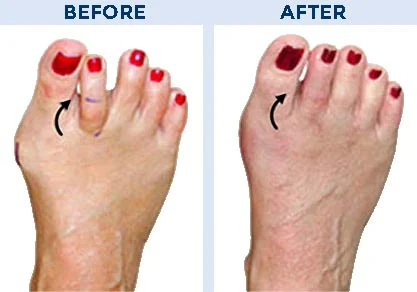
Bunion correction is a procedure that involves realigning the bone at the base of the big toe to relieve pressure. Tendon or ligament repairs are necessary when soft tissue sustains damage from overuse or acute trauma. The removal of masses or cysts involves the excision of benign or malignant growths, and this helps prevent further tissue compression.
Fractures of the foot or ankle often require surgical fixation with pins or plates to stabilize the bones and promote proper healing. Surgeons also perform corrections for congenital defects, such as flat feet or clubfoot, to improve long-term mechanics. Plantar fasciitis release is another option for chronic heel pain, and it involves cutting part of the fascia to relieve tension.
What Happens Before Surgery?
The initial surgical consultation serves as the foundation for the entire treatment plan. The surgeon evaluates the foot’s condition and discusses the potential benefits of the proposed procedure. This discussion allows the patient to ask questions about the expected outcome, and it aligns patient expectations with clinical realities.
A comprehensive preoperative assessment happens before surgical intervention. The podiatrist reviews the patient’s medical history, and they may order diagnostic imaging to map the anatomy. Patients receive specific instructions regarding medication management and dietary restrictions in the days leading up to the operation.
Home preparation is a practical component of the preoperative phase that aids in a smoother recovery. Patients should arrange for transportation to and from the surgical center, as driving is often prohibited immediately after the procedure. Setting up a comfortable recovery area on the ground floor reduces the need to climb stairs, and this simple step prevents unnecessary strain on the healing foot.
What Happens After Surgery?
Postoperative care focuses on pain management, wound healing, and the gradual restoration of functional mobility. Patients may receive medication to manage discomfort, and elevating the foot helps reduce swelling in the initial days. Adhering to the prescribed rest schedule is necessary for tissue repair, so patients must limit weight-bearing activities as directed by the surgeon.
Follow-up appointments allow the surgeon to monitor progress and remove sutures when the tissue has healed sufficiently. The recovery timeline varies by procedure, but compliance with medical advice influences the final functional outcome. Long-term recovery involves a gradual return to normal footwear and high-impact activities.
What Are the Benefits?
The primary objective of podiatry surgery is the reduction or elimination of chronic pain that affects daily life and mobility. Surgery also helps prevent the progression of degenerative conditions that may otherwise lead to permanent disability or joint damage. Addressing issues such as severe bunions or torn ligaments restores the foot’s natural alignment and improves balance and stability during movement.
Know What To Expect
Understanding the surgical journey from consultation to recovery helps patients know what to expect. Preparation is a valuable factor in achieving a successful outcome. Consult with a podiatrist to discuss your needs and schedule an appointment to determine whether surgery is right for you.