
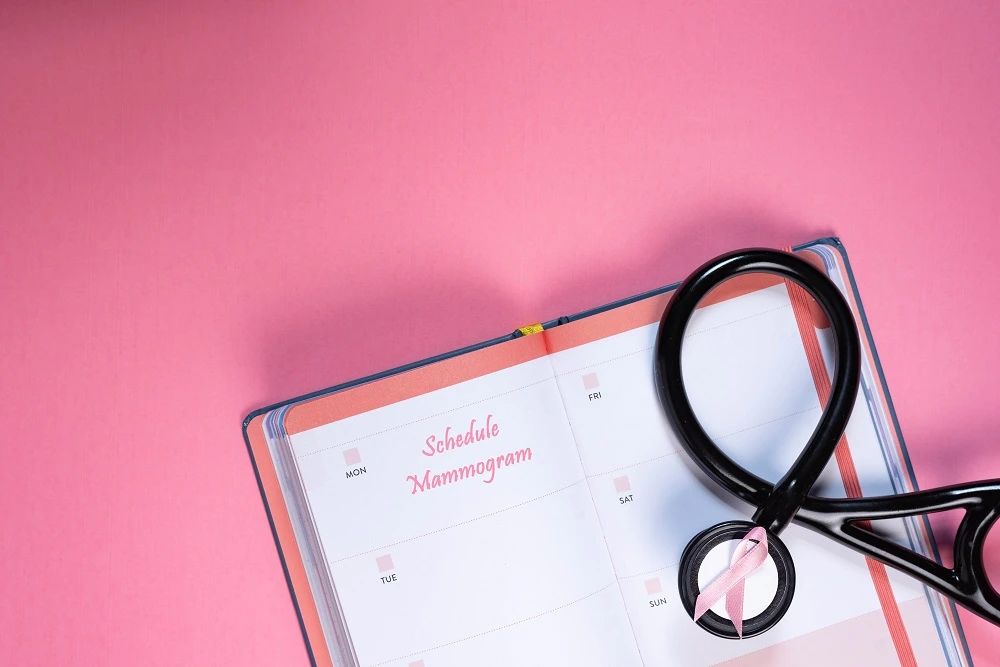
Understanding your body is a fundamental component of personal health management. Familiarity with the normal look and feel of your breasts can help you notice changes over time. While opinions on the frequency and necessity of structured self-breast exams have evolved, breast awareness remains a valuable practice for many individuals.
What Is a Breast Exam?
A breast exam is a physical inspection of your breasts that you can perform yourself. The purpose is to become acquainted with the unique physicality of your breast tissue. Breasts are composed of different tissues, which can feel lumpy or uneven. By regularly observing and feeling your breasts, you can establish a baseline for what is normal for you. This allows early detection of new or persistent changes, such as lumps, skin changes, or nipple discharge, that may warrant medical evaluation. A self-exam is a tool for awareness, not a diagnostic method.
How Should You Do One?
A consistent approach to breast self-exams helps in accurately identifying changes. Women may find it best to perform an exam a few days after their menstrual period ends, when breasts are typically less tender or swollen. If you do not menstruate, choosing the same day each month can help create a routine. A thorough exam involves both visual and manual inspection.
Visual Inspection
Stand in front of a mirror with your shoulders straight and your arms on your hips. Look for any changes in the size, shape, and color of your breasts. Observe for any visible skin distortion, swelling, dimpling, or puckering. Check your nipples for any signs of inversion or changes in their position. Raise your arms and look for the same changes.
Manual Inspection
There are several ways to perform the manual part of the exam. An exam can be conducted while lying down. When you lie down, the breast tissue spreads out evenly, making it easier to feel. Using your hand, apply firm, smooth pressure with the pads of your first few fingers. Move in a circular motion or an up-and-down pattern, covering the entire breast from your collarbone to the top of your abdomen, and from your armpit to your cleavage. Be sure to use varying levels of pressure to feel all layers of tissue. Squeeze the nipple gently to check for any discharge. Repeat the process on your left breast.
When Should You Consult a Doctor?
You should schedule an appointment with a healthcare professional if you notice any changes in your breasts that are new or seem unusual for you. Noticing a change can be unsettling, but many breast changes are not caused by cancer. Specific findings that merit a consultation include:
- A new lump or mass that feels different from the surrounding tissue.
- A change in the size or shape of the breast.
- Pulling in of your nipple or other parts of the breast.
- Nipple discharge that starts suddenly.
- New pain in one spot that does not go away.
A medical professional can perform a clinical breast exam and may recommend further diagnostic tests, such as a mammogram or ultrasound, to determine the cause of the change.
Seek Professional Women’s Health Care
While breast self-awareness is a useful tool, it does not replace regular clinical breast exams or mammograms. Healthcare providers are trained to detect abnormalities and can offer a comprehensive evaluation. Following recommended screening guidelines based on your age and risk factors provides a more complete approach to breast health. Integrating self-awareness with professional medical care allows you to take a proactive role in maintaining your well-being.