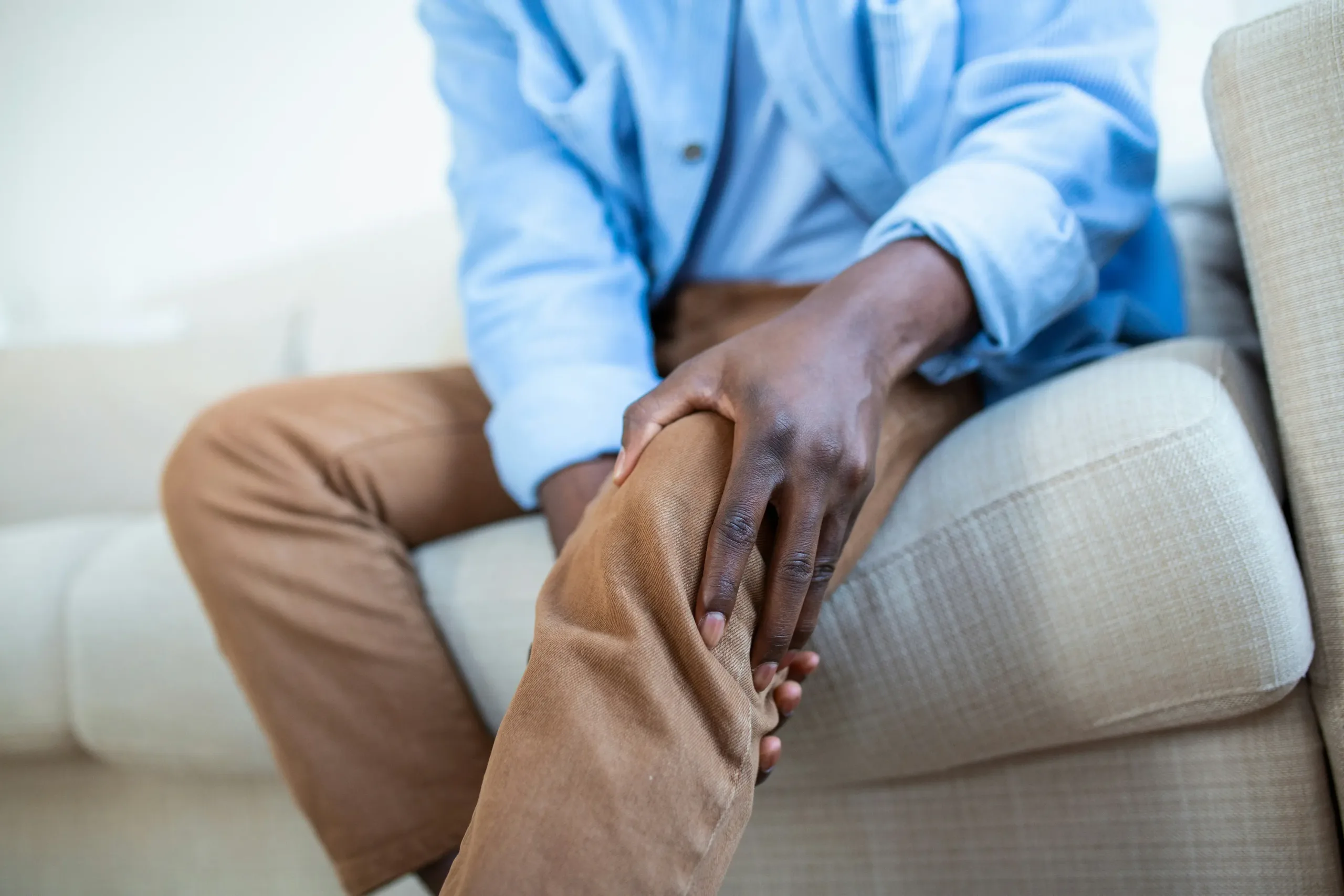
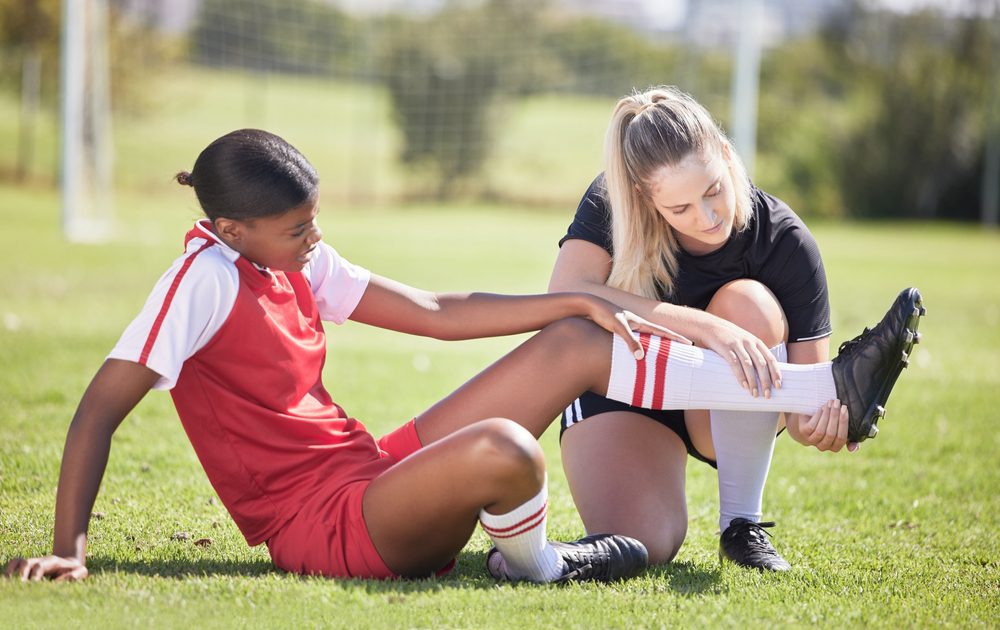
Rigorous physical activity increases the likelihood of sports-related injuries. Preventing and managing these injuries is key to fostering a positive sporting experience and long-term health. Below are strategies to prevent and care for common sports injuries in youth athletes.
Common Injuries in Youth Athletes
Each type of injury affects a specific area and occurs due to various factors:
- Sprains affect ligaments, often occurring in the knees, ankles, and wrists. Sudden movements or awkward landings typically cause sprains.
- Strains result from muscle or tendon overstretching or tearing. These are frequent in activities involving sprinting or jumping.
- Fractures involve broken bones, commonly seen in contact sports or activities with high risk of impact.
- Overuse injuries occur from repetitive movements, such as in running or throwing sports. These injuries include stress fractures, tendinitis, and shin splints.
- Dislocations occur when a bone is forced out of its normal position in a joint, often caused by high-impact trauma or improper movement. Commonly affected joints include the shoulder, knee, and fingers.
Understanding the nature of these sports injuries helps coaches, parents, and athletes take appropriate preventive measures.
Recognizing these injury types and their causes facilitates effective treatment and reinforces the importance of preventive strategies.
Strategies to Prevent Sports Injuries
Preventive measures tailored to the sport and athlete can reduce the likelihood of injuries. Warm-ups and stretching before practices or games help prepare the body for activity. Properly fitting equipment, including footwear and protective gear, helps stability and safety during play. Strength training focused on major muscle groups and core stability enhances balance and coordination. Teaching correct technique and gradually increasing intensity levels helps avoid sudden strain. Adequate rest and recovery are key to prevent overuse injuries.
Caring for Sports Injuries
Prompt care and management help to minimize long-term complications. Here are methods to address common sports injuries. For acute injuries such as sprains or strains, apply the R.I.C.E. method:
- Rest: Avoid using the injured area to prevent further damage.
- Ice: Apply ice packs to reduce swelling and numb pain.
- Compression: Use an elastic bandage to minimize swelling.
- Elevation: Keep the injured area raised above heart level to reduce inflammation.
Early evaluation is helpful in cases of severe injury. Intense pain, deformity, or inability to bear weight, should prompt immediate evaluation by a healthcare professional. Youth athletes participating in year-round sports should be closely monitored for signs of overuse, fatigue, or persistent discomfort. Catching these symptoms early avoids chronic conditions.
Returning to Activity After an Injury
Athletes should adhere to their healthcare provider’s timeline for returning to sports. Safe return to sports involves gradual reintroduction under supervised guidance. Adhering to protocol reduces the chance of reinjury. Begin with light, low-impact activities to test mobility and endurance. Resume full activity only when free of pain and able to perform without limitations.
Conduct sport-specific drills to restore proper form and confidence.
Long-Term Prevention
Preventing and caring for sports injuries in youth athletes requires proactive measures and attention to their physical needs. Implementing proper training and addressing injuries promptly enable youth to participate in sports while minimizing health risks. Collaborating with trained professionals and fostering an environment that prioritizes safety contribute to sustained athletic participation.
Coaches, parents, and healthcare professionals are encouraged to integrate evidence-based practices into youth sports programs. By prioritizing injury management strategies, stakeholders can contribute to safer and more effective athletic environments for young participants. Reach out to your healthcare provider if concerned with a sports-related injury.