
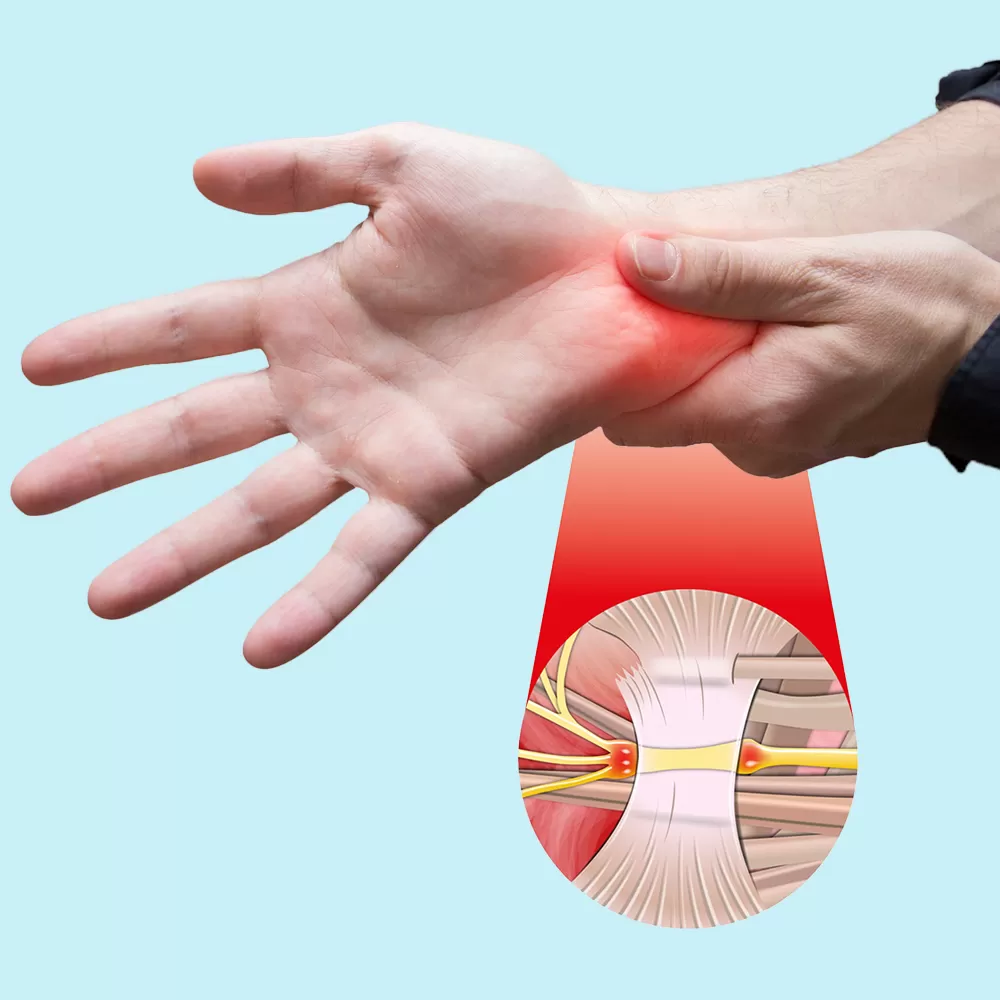
Carpal tunnel syndrome develops when the median nerve, which runs from the forearm into the palm of the hand, becomes pressed or squeezed at the wrist. This condition often starts slowly, so understanding what to look for can help manage it effectively. Recognizing these signs allows for timely consultation with a healthcare professional to explore appropriate management options.
Recognize Early Wrist Pain
One of the initial signs of carpal tunnel syndrome can be a dull, aching pain centered in the wrist. This pain can also radiate up the forearm or down into the hand. This discomfort differs from the sharp pain of an acute injury; it can present as a persistent ache that worsens with prolonged hand use. For those whose work or hobbies involve repetitive hand motions, this type of wrist pain can become a frequent occurrence.
Spot Tingling and Numbness
Early symptoms of this condition can be easy to overlook, but here are the key signs to watch for:
- Tingling or numbness, often described as “pins and needles,” in the thumb, index, middle, and ring fingers.
- Symptoms may occur intermittently, such as after waking up or while holding a phone or book.
- The sensation is caused by pressure on the median nerve, disrupting its ability to transmit signals.
- A frequent urge to “shake out” your hands to restore normal feeling may become an unconscious habit over time.
Notice Grip Strength Changes
A gradual decrease in grip strength is another indicator to watch for. You may begin to notice difficulty with tasks that require fine motor skills or a firm grasp, such as buttoning a shirt, writing with a pen, or holding onto a coffee cup. This weakness happens because the muscles at the base of the thumb, which are controlled by the median nerve, are affected. While the change might be subtle initially, it can lead to clumsiness and more frequent dropping of objects.
Track Nighttime Discomfort
Carpal tunnel syndrome symptoms often worsen at night, disrupting sleep. Pay attention to the following nighttime sensations, as they can be key indicators of the condition:
- Waking up due to discomfort: Many individuals are awakened by sensations of pain, numbness, or tingling in their hands and wrists.
- Positional triggers: Symptoms can be aggravated by sleeping with the wrists bent, which compresses the median nerve. Fluid redistribution while lying down can also increase pressure within the carpal tunnel.
- Need to “shake out” the hands: A typical response upon waking is the urge to shake the hands to relieve the pain or numbness.
Watch for Finger Weakness
A weakened grip and difficulty with finger coordination, especially in the thumb, can occur. Pinching motions, like picking up small objects, may become harder. The thumb’s ability to move and apply pressure is necessary for daily tasks. Compression of the median nerve can make these precise movements challenging. Symptoms can often develop gradually and may go unnoticed until they disrupt daily routines.
Don’t Ignore Carpal Tunnel Signs
Knowing what symptoms to look out for early is a step in addressing the condition. The signs, ranging from wrist pain and tingling to weakened grip and nighttime discomfort, are indicators that should not be overlooked. If you are experiencing symptoms consistent with carpal tunnel, discuss them with a healthcare professional.