
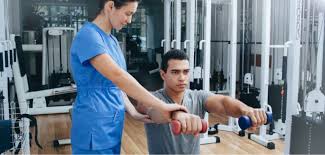
Sports medicine is a specialized field of healthcare, and it focuses on physical fitness and the treatment and prevention of injuries related to sports and exercise. This discipline assists athletes in managing their health so they can perform. When an injury occurs, this approach guides the recovery process from diagnosis through rehabilitation. Here is more information about sports medicine and recovery:
Developing Custom Treatment Plans
When a sports medicine specialist assesses the injury, a personalized treatment plan can be created. The plan outlines the recovery steps, which help set clear expectations for the athlete’s return to their sport. This approach addresses the unique physical demands of the athlete’s activity and their individual health status.
The specialist works with the athlete to set realistic recovery goals. These goals are broken down into manageable phases, and progress is typically monitored at each stage. Based on how the body is healing, this methodical progression allows for adjustments to the plan. It provides a clear and supportive path forward.
Custom plans incorporate various therapeutic methods. In some situations, a plan for a knee injury might include:
- Strength training for surrounding muscles
- Flexibility exercises
- Manual therapy
This combination of treatments targets the injury from multiple angles, and it helps build a foundation for a safe return to play.
Modifying Activities
Activity modification is a key part of the recovery process. The specialist may recommend specific changes to an athlete’s training routine, and these adjustments help protect the injured area from additional strain while it heals. Depending on the severity, a runner with a stress fracture might be advised to switch to swimming.
This strategy allows the athlete to maintain cardiovascular fitness. It prevents deconditioning, which can complicate the return to their sport. While modified activities keep the athlete engaged in physical training, they do so in a way that supports healing. This approach balances the need for rest with the desire to stay active.
Providing Minimally Invasive Treatments
Many sports-related injuries have minimally invasive treatment options. These procedures use smaller incisions than traditional surgery, which may lead to less pain and scarring. For an athlete, this could mean a quicker recovery timeline. Sports medicine professionals are trained in these advanced techniques.
Minimally invasive options are not suitable for every injury. A specialist evaluates the injury to determine the best course of action. When these treatments are used, they are part of a comprehensive recovery plan that includes rehabilitation. The goal is to address the injury effectively while minimizing the impact on the athlete’s body.
Preventing Further Injury
Preventing re-injury is a primary focus of sports medicine. Education is a significant component of this preventative strategy. Athletes learn about proper body mechanics and techniques specific to their sport. This knowledge empowers them to move more efficiently and safely.
A sports medicine team will analyze an athlete’s movements. They identify patterns that could lead to future injuries. Corrective exercises are then prescribed to address any biomechanical issues. This proactive approach helps build resilience and may reduce the likelihood of another setback.
Find Sports Medicine Services
This approach offers a structured framework to help guide you through recovery. It focuses on creating personalized plans, modifying activities, using modern treatments, and preventing future injuries. If you are recovering from a sports-related injury, working with a specialist can help. Contact an orthopedic clinic to schedule a consultation and learn more about sports medicine services.