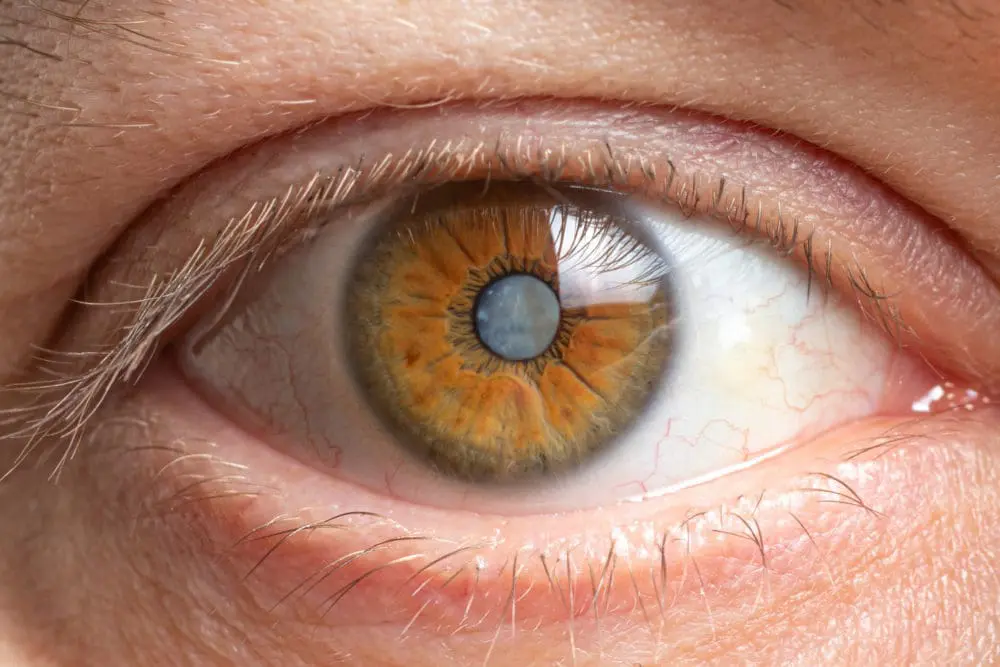
Laser cataract surgery is an advanced ophthalmic technology for treating cloudy natural lenses, and the procedure uses a femtosecond laser to perform surgical steps with a high degree of reproducibility and accuracy. By automating key incisions, the technology helps surgeons soften the cataract before removal. Some ways laser surgery improves visual clarity and recovery time include:
Enhanced Precision
The primary advantage of using laser cataract surgery is the high level of accuracy achieved during corneal incisions. Traditional methods rely on handheld blades, which introduce natural human variability into the size and shape of the opening. A femtosecond laser creates incisions based on a 3D map of your eye; this programmed approach allows surgeons to create a consistent circular opening in the lens capsule.
The laser adheres to exact specifications, so the incision architecture seals more effectively at the end of the operation. A self-sealing incision minimizes the need for sutures and reduces the risk of infection. When incisions are precise, the eye is better able to maintain structural integrity during the healing process. Surgeons can program the laser to simultaneously correct mild astigmatism by creating specific corneal relaxing incisions. This helps address pre-existing refractive errors during the same operative session.
Improved IOL Placement
Once the cloudy lens is removed, an intraocular lens (IOL) takes its place to restore clear vision. The position of this artificial lens within the eye directly influences the quality of your postoperative sight, and if an IOL tilts or shifts even slightly, it may result in less-than-optimal visual acuity. Laser cataract surgery creates a central opening in the lens capsule, known as a capsulotomy, that is consistently circular and centered. This uniform opening provides a stable pocket for the new lens. Stability is key for premium lenses, such as multifocal or toric IOLs, which require precise alignment to function properly. A securely placed lens reduces the likelihood of higher-order aberrations that cause glare or halos, and patients often experience sharper vision sooner because the optical system aligns correctly from the start.
Reduced Trauma and Discomfort
The process of breaking up the cataract for removal typically requires ultrasonic energy. In manual surgery, the surgeon uses more ultrasonic energy to fragment the hardened lens, and excessive energy use can increase the risk of swelling in the cornea and surrounding tissues. Laser systems help soften the cataract before the surgeon enters the eye to remove it, which allows the procedure to require less ultrasonic energy during the extraction phase. This results in less physical trauma to the structures inside the eye, reducing inflammation immediately following surgery. Minimizing tissue disruption can also:
- Reduce healing time
- Lower the risk of infection
- Improve patient comfort
- Enhance surgical outcomes
Get Laser Cataract Surgery
If you are experiencing clouded vision or difficulty seeing at night, exploring your surgical options is a practical step. Laser cataract surgery prioritizes precision and aims to reduce the physical stress on your eye. By leveraging advanced mapping and automated incisions, this approach supports accurate lens placement and a smoother recovery journey. Talk to your eye care provider today to determine if you are a candidate for this procedure.