
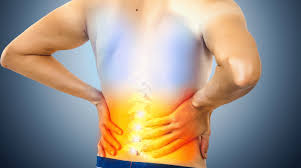
Back pain is a common issue that can impact your daily activities, from working at a desk to engaging in your hobbies. Many people seek different ways to manage this discomfort. Chiropractic care focuses on the body’s structure, primarily the spine, and its relationship to overall function. Understanding how a chiropractor approaches back pain can provide clarity on this non-invasive option.
How Do Adjustments Help?
Chiropractic adjustments involve controlled, specific movements applied to spinal joints. The goal is to improve spinal motion and physical function. When your spine is aligned correctly, your body is better equipped to manage the stresses of daily life. This may lead to a noticeable reduction in discomfort.
These adjustments can support your body’s mechanics in several ways:
- Realigning the spine: This process helps improve your posture. Better posture can reduce uneven strain on your back muscles and ligaments.
- Improving joint mobility: Adjustments may increase the range of motion in your spinal joints. When your joints move more freely, stiffness and discomfort may decrease.
- Reducing nerve irritation: A misaligned spine can sometimes put pressure on nerves, leading to nerve irritation. By correcting the alignment, adjustments may help relieve this pressure.
By focusing on the source of mechanical dysfunction, chiropractic care offers a structured approach to managing back pain. It aims to support the body’s natural ability to function without discomfort.
Which Techniques Ease Pressure?
A chiropractor may use various techniques to address spinal pressure. These methods are chosen based on your specific needs and comfort level. The objective is to gently guide joints back to their proper position, which may help alleviate pressure on surrounding nerves and tissues.
Some standard techniques include:
- Spinal Manipulation: A hands-on technique where controlled force is applied to adjust the spine and improve mobility.
- Flexion-Distraction Technique: A gentle, non-thrusting method often used to treat herniated discs and lower back pain by stretching and decompressing the spine.
- Instrument-Assisted Manipulation: A low-force adjustment using a handheld instrument to target specific areas of the spine for precise corrections.
- Drop-Table Technique: A method that uses a special table with movable sections to deliver adjustments with minimal force, enhancing comfort during spinal alignment.
Each method uses different levels of force and movement to achieve similar goals. Your practitioner will explain the chosen technique and what you can expect during the session, making sure you feel comfortable with the process.
What Reduces Muscle Tension?
Back pain often involves tight, sore muscles. Chiropractic adjustments can help reduce muscle tension that stems from poor joint function. When spinal joints are not moving correctly, nearby muscles may tighten to compensate and protect the area. This can lead to persistent soreness and stiffness.
By restoring proper movement to the joints, adjustments can signal these muscles to relax. As the skeletal system becomes better aligned, the muscular system no longer needs to work as hard to maintain stability. This can break the cycle of pain and tension. Some chiropractors also incorporate soft tissue therapies to complement the adjustments, further helping to release tight muscles and improve circulation.
Consult a Chiropractor
Chiropractic care offers a hands-on approach to managing back pain by focusing on spinal alignment and function. It can help improve mobility, reduce nerve pressure, and alleviate muscle tension. If you are struggling with back discomfort, seeking professional guidance is a practical next step. Consulting a qualified chiropractor can help you understand if this approach is a suitable option for your specific situation.