
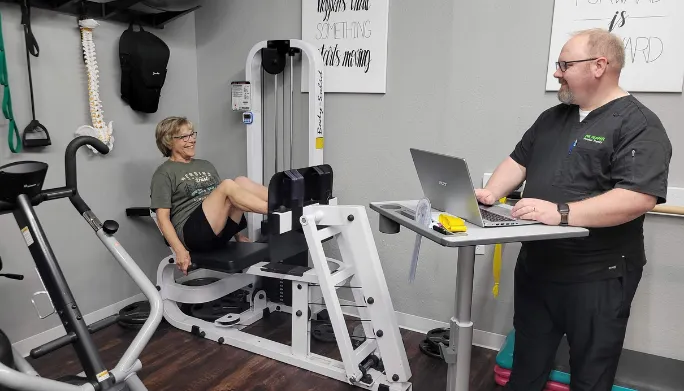
Sports medicine doctors are physicians who specialize in preventing, diagnosing, and treating injuries related to physical activity. They work with people of various activity levels, from professional athletes to individuals starting a new fitness routine. These doctors have specialized training in non-surgical treatments for musculoskeletal conditions. Here is more information about how these doctors can support injury recovery:
Assessing Acute Injuries
A doctor may begin by conducting a physical examination to assess the injury. This process helps them understand the extent of the damage. They might order imaging tests, such as an X-ray or MRI, which provide a detailed view of bones and soft tissues. This information guides the creation of a personalized treatment plan, and the findings will be explained to you.
Managing Chronic Overuse
Overuse injuries develop over time from repetitive stress on a specific body part. A doctor may evaluate your movement patterns and activity levels to identify the source of the strain. They gather information about your training regimen. After they pinpoint the cause, they can create a strategy to manage the condition and promote healing.
One standard management technique involves modifying your activities. The doctor will suggest changes to your routine, and this gives the injured tissue time to heal. Your plan may also include targeted strengthening exercises to support the muscles. This approach reduces strain on the affected area.
Some overuse injuries need additional interventions for proper healing. A doctor may suggest treatments such as injections or bracing, which can help reduce inflammation and provide support. Your progress is typically monitored through follow-up appointments. The treatment plan is adjusted as you progress in your healing.
Treating Dislocations
When a joint becomes dislocated, a sports medicine doctor performs a procedure called a reduction to put it back in place. This procedure is typically done after providing pain medication. The doctor carefully manipulates the joint. They work to realign the bones correctly and restore normal joint function.
Following the reduction, the joint needs to be immobilized to allow the surrounding tissues to heal. This may be accomplished with a sling or a splint. The length of immobilization depends on the specific joint and the severity of the dislocation. A doctor provides clear instructions for this period. Your plan may include:
- Resting the joint completely.
- Using ice to manage swelling.
- Taking prescribed pain relievers.
Rehabilitation is the final phase of dislocation treatment. It starts after the immobilization period ends. Gentle exercises are introduced to restore your range of motion because stiffness is common after immobilization. Strength training is used to rebuild stability around the joint.
Reducing Risk Factors
A sports medicine doctor can identify factors that might increase your risk of future injury. They look at your biomechanics and training load. After the assessment, they will offer guidance on how to adjust these factors for better safety. They provide education on proper form.
Based on their evaluation, they might recommend specific conditioning exercises. These exercises are designed to strengthen weak areas. They also teach you correct techniques for your sport or activity. The goal is to build resilience against physical stress, and this helps you stay active.
Visit a Sports Medicine Doctor
A doctor provides comprehensive care throughout your recovery journey. They diagnose injuries and create structured treatment plans. They support your return to activity with a focus on your long-term health. If you are dealing with a sports-related injury, schedule a consultation with a sports medicine doctor to get the care you need.