
Women’s clinics provide a focused environment for health services related to the female reproductive system and general wellness. These specialized facilities are staffed by healthcare professionals who are trained in women’s health. The scope of care extends from routine check-ups and preventive screenings to the management of complex health conditions. Patients can access a continuum of care that supports them through various life stages.
Well-Woman Exam
A well-woman exam is a cornerstone of preventive healthcare for women. This annual appointment allows a provider at a women’s clinic to assess overall health and screen for potential medical issues. The visit can begin with a discussion of the patient’s personal and family medical history, lifestyle habits, and any current health concerns.
During the physical examination, a pelvic exam is utilized to assess the reproductive organs. A Pap smear may be performed during the pelvic exam. This screening collects cells from the cervix to test for cellular changes that might indicate a risk for cervical cancer. Depending on age and risk factors, a provider may also recommend testing for human papillomavirus (HPV). These exams facilitate early detection of conditions and provide an opportunity to discuss health goals with a provider.
Family Planning
Women’s clinics offer comprehensive family planning services, including the provision of various birth control methods. A healthcare provider can explain the different options available, helping a patient select a method that aligns with their health status and personal preferences. Available contraceptive options range from hormonal to non-hormonal methods. Hormonal methods include birth control pills, patches, injections, and implants. These work by releasing hormones to prevent ovulation. For those seeking permanent contraception, clinics can provide information on surgical procedures like tubal ligation.
Infertility Treatment
For individuals or couples experiencing difficulty conceiving, women’s clinics can be a starting point for evaluation and treatment. Infertility is typically defined as the inability to achieve pregnancy after one year of regular, unprotected intercourse. The initial steps involve a thorough medical evaluation of both partners to identify potential causes.
For the female partner, this evaluation may include blood tests to assess hormone levels, ovulation tracking, and imaging tests such as ultrasounds to evaluate the uterus and ovaries. A hysterosalpingogram (HSG) may be used to check if the fallopian tubes are open. Based on the findings, a provider can recommend a course of action. Treatment plans are highly individualized and may involve medications to stimulate ovulation. A clinic may perform procedures like intrauterine insemination (IUI), where sperm is placed directly into the uterus.
Prenatal Care
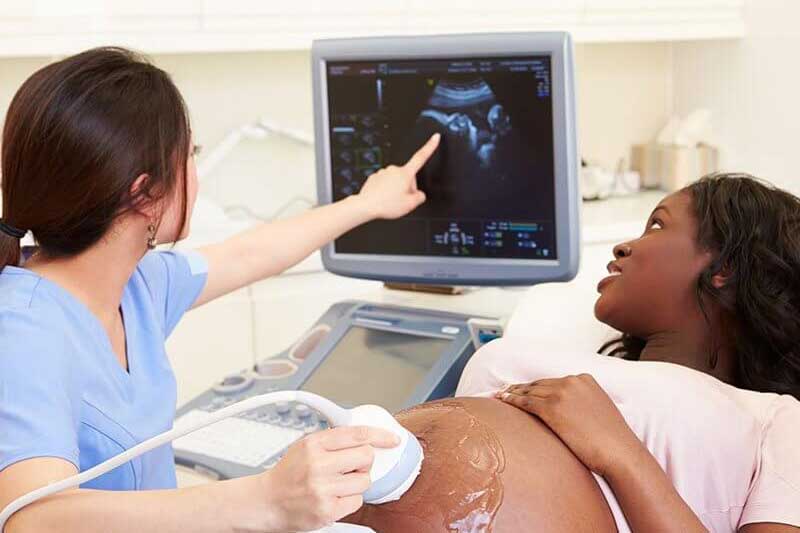
Once pregnancy is confirmed, prenatal care becomes a primary focus. This series of regular appointments is designed to monitor the pregnant person’s health and the developing fetus. Appointments are scheduled at regular intervals, becoming more frequent as the pregnancy progresses. Ultrasounds are performed at various stages to visualize fetal development and anatomy. Prenatal care also involves preparations for labor and delivery. These appointments are a forum for expectant parents to ask questions and receive guidance throughout the pregnancy.
Visit a Women’s Clinic
Many clinics offer specialized services that address specific health needs beyond those detailed here. Some facilities provide menopause management, which includes support for symptoms like hot flashes and guidance on hormone replacement therapy. Others offer screenings and treatment for sexually transmitted infections (STIs) in a confidential setting. Before scheduling an appointment, it can be useful to research a clinic’s specific offerings to find a match for one’s healthcare needs.