Varicose veins affect many adults, and they may cause physical discomfort. Hormonal fluctuations occur throughout life, potentially impacting vascular health. Understanding this connection is helpful for symptom management and allows patients to make informed decisions. Here is more information on varicose veins, including their causes, symptoms, treatment options, and connection to hormonal changes:
What Are Varicose Veins?
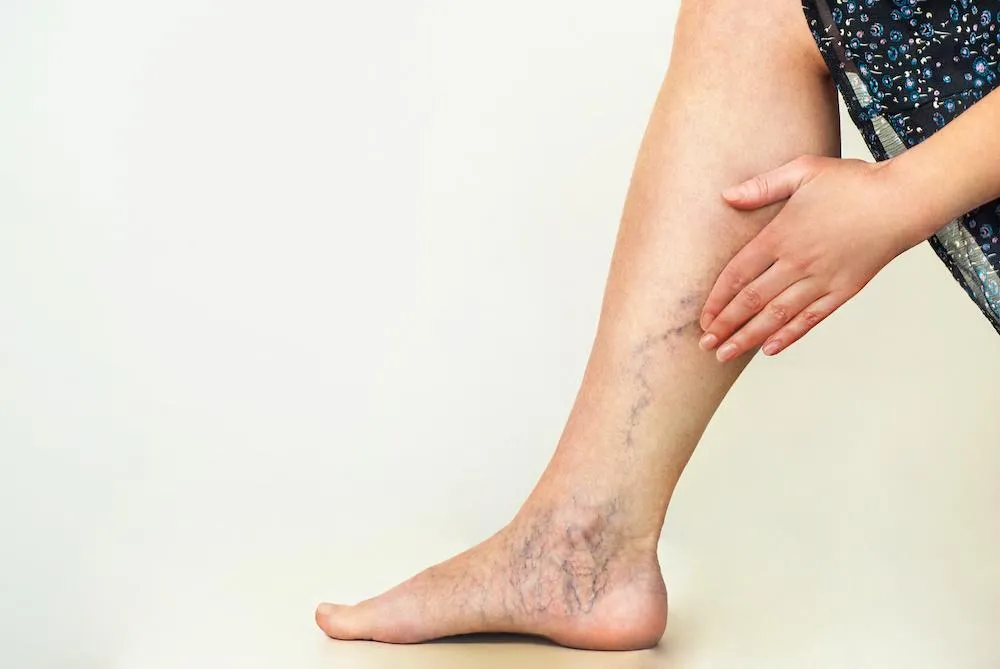
Varicose veins are enlarged blood vessels that typically appear on the legs and feet. The veins often appear twisted or bulging, and they may turn blue or dark purple. Blood pools in these vessels due to weakened valves. This pooling may create visible swelling and physical discomfort.
What Causes Them?
Veins contain one-way valves that keep blood flowing toward the heart. Sometimes these internal valves fail. When the valves weaken, blood flows backward, and it accumulates in the lower extremities. Increased pressure stretches the vein walls, leading to the characteristic bulging appearance.
What Are the Symptoms?
Patients with varicose veins can experience aching legs, and they may notice a feeling of heaviness. Swelling often occurs around the ankles, typically worsening after prolonged periods of standing. Some individuals report a burning or throbbing sensation. Muscle cramping can occur at night, disrupting sleep.
How Are Hormonal Changes Connected?
Hormones influence vascular tone, and estrogen levels play a direct role in overall vein health. High estrogen levels can relax smooth muscle in blood vessels, widening the veins. The widened veins must handle more blood volume. The extra capacity puts additional strain on the valves.
Pregnancy introduces severe hormonal shifts, and these shifts increase the risk of developing varicose veins. Progesterone levels rise to support the pregnancy, further relaxing the vein walls. Blood volume increases to support the growing fetus. This combination of hormonal changes causes the veins to enlarge.
What Are the Treatment Options?
Several medical procedures exist for managing varicose veins, and physicians select treatments based on symptom severity. Patients may initially try conservative management. Doctors often recommend compression stockings to improve blood flow. These garments apply steady pressure to the legs, which helps veins return blood to the heart.
Doctors use minimally invasive procedures for advanced cases, which require little recovery time. Endovenous laser and radiofrequency ablation use heat to close off the affected veins, and the body automatically reroutes blood to healthier vessels. Sclerotherapy involves injecting a specialized foam into the vein. This foam causes the diseased vessel to collapse.
Another medical option is VenaSeal™. This procedure uses a medical adhesive to seal the affected vein. The doctor delivers the adhesive through a small catheter, and the sealed vein gradually absorbs into the body. These modern treatments may provide relief for patients and involve minimal discomfort.
Seek Professional Guidance Today
Recognizing the link between hormones and vein health helps patients understand their symptoms and guide their treatment choices. Medical professionals offer thorough evaluations, and they develop personalized plans for each patient. Schedule a consultation with a vein specialist to discuss your symptoms. Learning how to improve your vascular health with specialized guidance can improve your quality of life.