
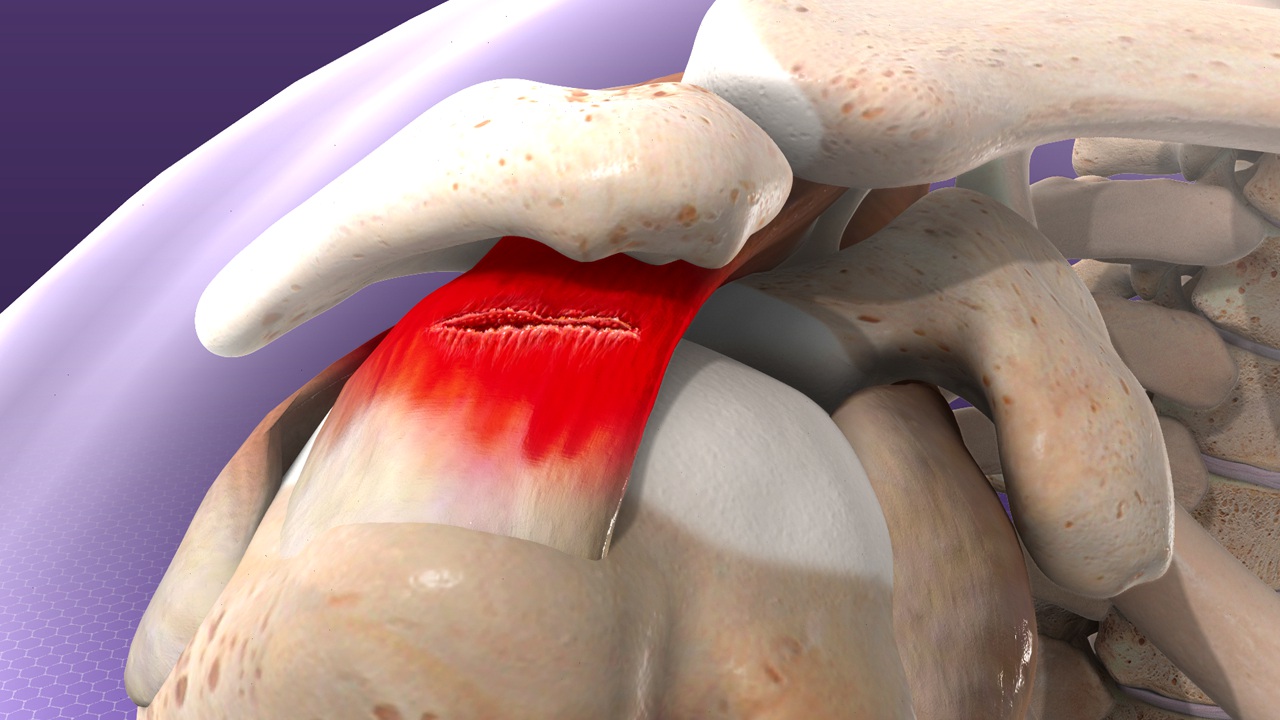
Your shoulder is a complex joint, and the rotator cuff muscles and tendons are key to its function. These tissues allow you to lift and rotate your arm, and when one or more of these tendons tear, it causes pain and limits your shoulder’s movement. These injuries, known as rotator cuff tears, vary in type and severity. Here is more information about the different types of tears:
Partial-thickness Rotator Cuff Tears
A partial-thickness tear means the tendon is damaged but not completely severed from the bone. In some cases, it is like a rope that has become frayed but is still intact. This type of tear is also called an incomplete tear, and it can cause significant shoulder pain and weakness, especially when lifting your arm overhead.
Partial tears are graded based on how deep the tear is within the tendon. While some are very shallow, others may affect almost the entire thickness of the tendon. Treatment begins with non-surgical methods aimed at reducing pain and improving shoulder function, and these approaches may include rest, physical therapy, and modifying your daily activities.
Full-thickness Rotator Cuff Tears
A full-thickness tear is more severe; it goes all the way through the tendon. This injury is sometimes called a complete tear because it creates a hole that separates a piece of the tendon from the bone. These tears may result from either a single traumatic event or progressive wear and tear over a long period. The symptoms are typically more pronounced than with partial tears.
The size of a full-thickness rotator cuff tear can vary. They are categorized as small, medium, large, or massive, depending on the tear’s dimensions. A full-thickness tear will not heal on its own. Depending on the size of the tear and your activity level, your doctor may recommend different treatment options.
The location of the tear is also a factor. Most tears happen in the supraspinatus tendon, but other rotator cuff tendons may also be involved. Diagnosing the specific location and size of the tear requires medical imaging, which gives a clear picture of the damage. This detailed information guides the selection of an appropriate treatment plan for your specific injury.
Acute Tears
Acute tears happen suddenly, and these injuries occur when you fall on an outstretched arm, or they can result from a forceful lifting or pulling motion. If you experience an acute tear, you might feel a sudden snapping sensation followed by intense pain. Weakness in your arm is another common and immediate symptom.
Because they are tied to a specific incident, acute tears are typically accompanied by other injuries. These might include a broken collarbone or a dislocated shoulder. Seeking prompt medical attention is a good step if you suspect you have an acute tear, and common signs include:
- Pain that is sharp
- Sound of popping
- Weakness in the affected arm
Degenerative Tears
Degenerative tears develop slowly over time, and they are typically found in your dominant arm. The damage occurs gradually as the tendon wears down from repetitive stress, which occurs in certain sports or jobs. A bone spur, which is an overgrowth of bone, can also rub on the tendon and contribute to its breakdown.
Treat Rotator Cuff Tears
After understanding your specific tear type, you can explore a personalized treatment plan, and the goal is to reduce your pain and restore function to your shoulder. If you are experiencing shoulder pain or weakness, scheduling a consultation can provide you with clarity and a path forward. Contact a clinic today to book an appointment.