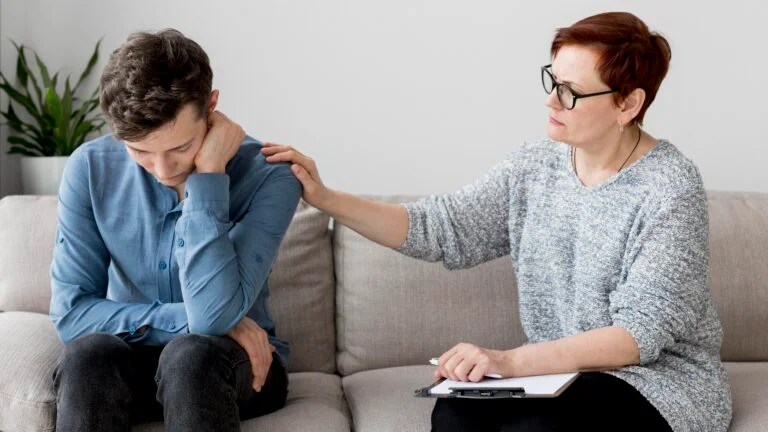

Nurse practitioners (NPs) serve as primary providers in many medical clinics today, and they create effective treatment plans. Because their training is extensive, they manage acute and chronic issues. While they collaborate with doctors, many practice independently in certain states. Here is more information about how nurse practitioners provide patient care in clinics:
Providing Patient-focused Care
When patients visit a clinic, they may want personalized medical attention. NPs analyze physical health, but they also review mental well-being. Since holistic care is prioritized, lifestyle factors can be reviewed. This approach builds a strong therapeutic relationship with the individual, helping patients adhere better to treatment.
When you see an NP instead of a nursing assistant or other provider, appointments are typically longer, so patients can ask more questions. Because the environment is supportive, individuals share sensitive health details freely. NPs explain diagnoses clearly, and they clarify complex medical terms. While time is valuable, these professionals typically don’t rush through appointments.
Caring for Underserved Areas
Both urban community centers and rural regions may struggle with a shortage of qualified doctors. Because access is limited, residents may delay necessary medical treatment. NPs establish clinics in these areas, filling gaps in access to medical care and serving vulnerable populations in locations others may overlook. Since they work locally, transportation barriers could be significantly reduced for patients.
Nurse practitioners serve in:
- Rural health clinics
- Urban community centers
- Academic health offices
- Mobile medical vans
Prescribing Advanced Medications
If medication is required, the nurse practitioner writes a prescription. They understand pharmacology in depth, and they select the appropriate dosage. When a patient needs adjustments, the NP modifies the regimen. They monitor side effects, or they switch medications to improve results, and their prescriptive authority allows them to manage the patient’s condition fully.
Preventing Acute Illnesses
Vaccinations aim to protect patients from contracting severe and contagious viral infections. Because early detection matters, annual physical exams are strongly encouraged. Labs identify hidden issues, and early intervention may stop minor problems from becoming major health crises. When risks are identified, proactive measures may limit future complications.
Because conditions like diabetes persist, consistent monitoring is necessary. NPs track blood sugar, and they adjust insulin levels accordingly. Lifestyle changes might be discussed during a routine follow-up visit. While medication helps, diet may play a bigger role.
While acute sickness occurs, education aims to reduce the frequency of illness. NPs teach hygiene practices and explain transmission vectors, because knowledge enables individuals to make smarter daily health decisions. If patients understand risks, they can avoid harmful behaviors. Resources are provided, and support groups are recommended, as education remains a powerful tool in the fight against disease.
See a Nurse Practitioner
Check if you have a nurse practitioner available in your local area. Book an appointment today, or ask for an NP specifically. Since they offer personal care, your health remains a top priority. Experience the difference in attention during your next clinic visit. Take the first step and build a lasting medical treatment partnership by contacting a clinic near you and speaking to an NP.