When active individuals face persistent hip pain or limited movement, advanced treatment options like hip arthroscopy offer a less invasive approach to recovery. This procedure allows specialists to diagnose and treat sports-related hip injuries with precision, often resulting in faster healing and improved long-term function. Here are the key advantages of hip joint arthroscopy for sports injuries:
What Does Hip Arthroscopy Do?
Hip arthroscopy is a surgical technique that allows doctors to view the hip joint without making a large cut. The surgeon inserts a small camera, called an arthroscope, through incisions that are only 3 to 4 millimeters wide. This camera displays images on a video monitor, and the surgeon uses these images to guide miniature surgical instruments. This approach helps the doctor diagnose and treat various hip problems with great accuracy. These problems include labral tears, cartilage injuries, and femoroacetabular impingement (FAI).
How Does It Aid Recovery?
Athletes often choose this procedure because the minimally invasive nature offers distinct advantages over open surgery. The benefits that facilitate a quicker return to physical activity include:
- Smaller incisions: The tiny cuts result in less scarring, and they reduce the risk of infection compared to traditional surgery.
- Reduced tissue trauma: The procedure causes less disruption to the muscles and soft tissues surrounding the hip joint.
- Less postoperative pain: Patients typically experience less discomfort after the operation, reducing the need for heavy pain medication.
- Quicker rehabilitation: The preserved muscle tissue allows for an earlier start to physical therapy and movement exercises.
These factors combine to create a smooth healing process that gets athletes back to their sport sooner.
How Does It Protect Joints?
Beyond immediate recovery, hip joint arthroscopy plays a fundamental role in preserving the hip’s natural anatomy. The long-term advantages for joint maintenance involve:
- Delaying arthritis: Treating hip conditions early often slows down or prevents the development of osteoarthritis.
- Preserving cartilage: Repairing torn cartilage prevents further erosion of the joint surface.
- Restoring mechanics: Correcting structural abnormalities helps the ball-and-socket joint move smoothly and reduces friction within the joint.
- Avoiding replacement: Successful arthroscopy often removes the need for total hip replacement later in life.
Contemplate these long-term outcomes when deciding on the best treatment plan for chronic hip issues.
What Happens During Recovery?
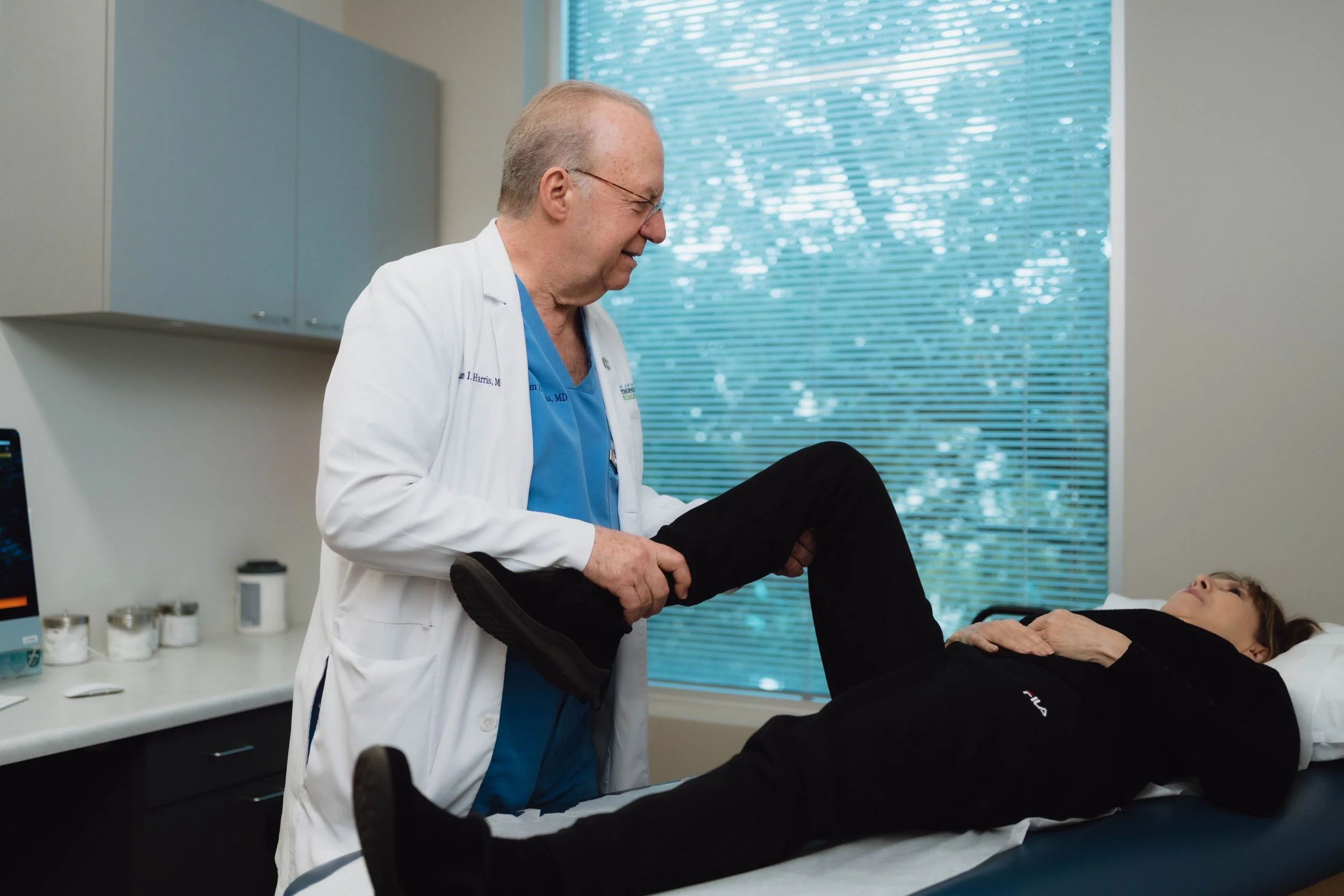
Recovery following hip arthroscopy for athletes involves a structured and carefully monitored rehabilitation program. Patients can expect to rely on assistive devices such as crutches to reduce weight-bearing stress on the joint while it heals. Pain management is a fundamental component in the early stages. It may include a combination of prescribed medications and physical therapy interventions. Athletes are also introduced to controlled mobility exercises to prevent stiffness and maintain joint flexibility during the period.
As recovery progresses, the focus shifts toward rebuilding strength and restoring the full range of motion in the joint. Physical therapy sessions become more intense, often incorporating sport-specific drills and activities. These are designed to help athletes gradually return to competition. Athletes may also undergo periodic evaluations to assess progress and determine if adjustments are needed in their recovery plan.
Book Your Hip Arthroscopy Consultation
Adhering to a structured rehabilitation plan following hip arthroscopy is fundamental for achieving optimal recovery and a successful return to activity. Through targeted physical therapy, sport-specific exercises, and ongoing progress evaluations, athletes can rebuild strength and functionality while minimizing the risk of reinjury. Contact a qualified orthopedic surgeon near you to book your hip arthroscopy consultation.