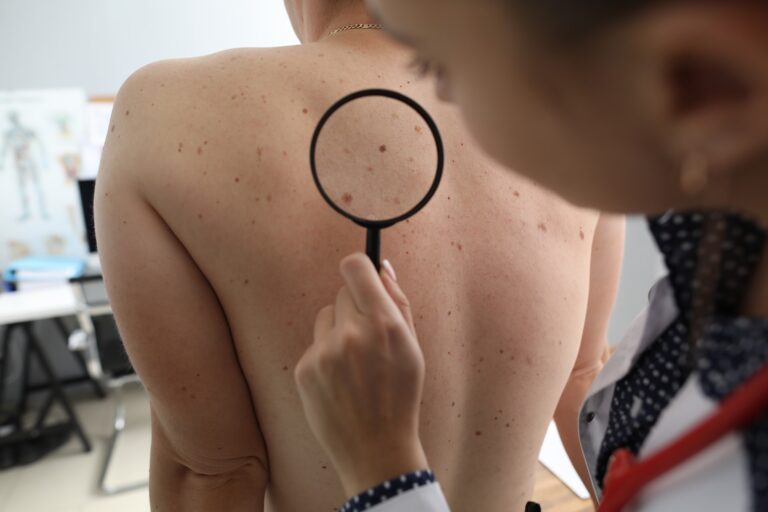
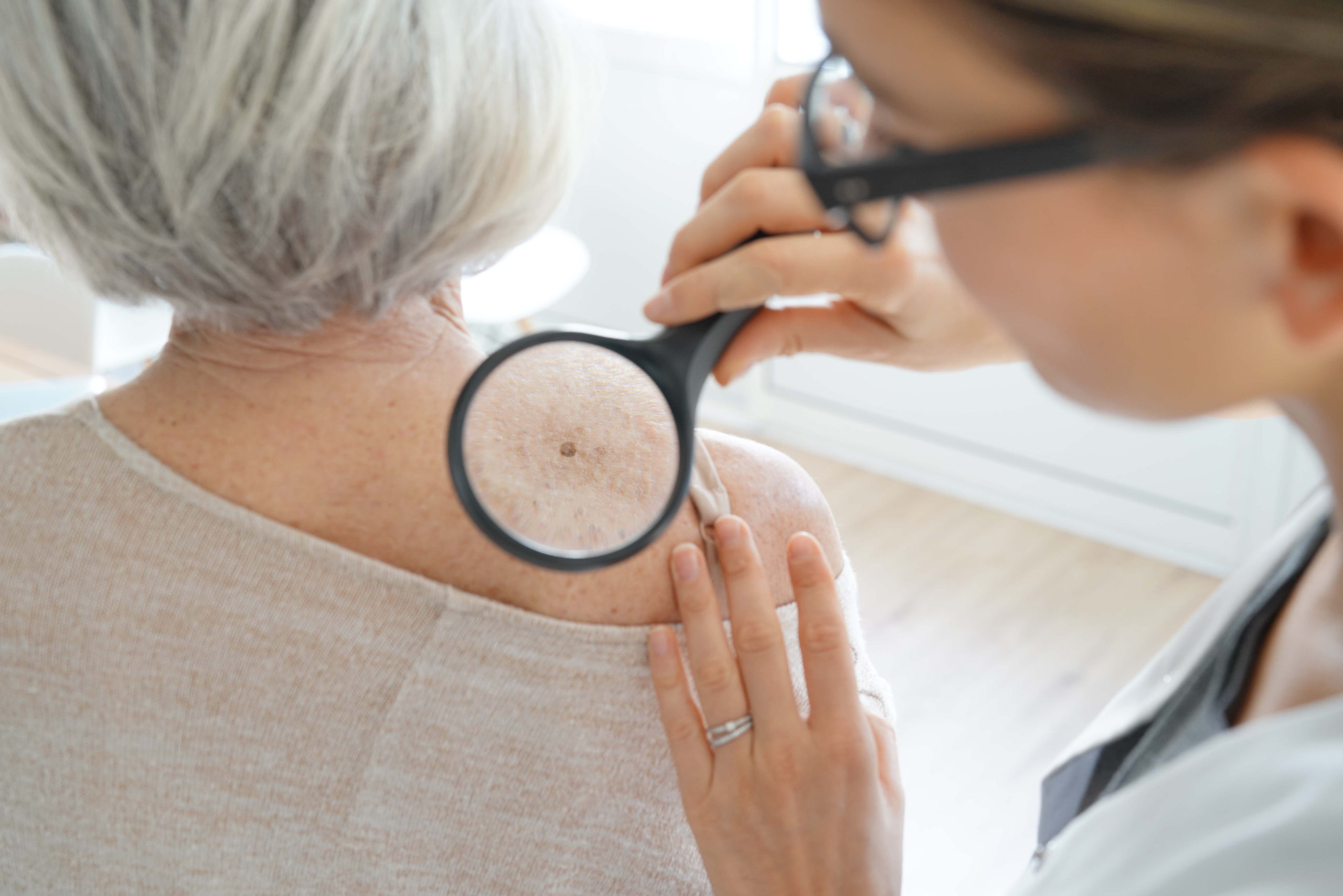
Regularly observing the skin is a proactive step in managing personal health. Many individuals have moles, which are common skin growths that can appear anywhere on the body. While most are harmless, some can change over time. Understanding how to monitor these growths allows for the early detection of any notable developments.
What Are Moles?
Moles are clusters of pigmented cells called melanocytes. These cells produce melanin, the pigment that gives skin its natural color. Moles can be present at birth or develop throughout a person’s life, typically appearing during childhood and adolescence. Their appearance can vary widely among individuals.
Common moles are typically small, measuring less than a quarter-inch in diameter. They can be round or oval with a smooth surface and a distinct edge. Their color may range from pink or tan to dark brown or black. A person may have anywhere from 10 to 40 moles by adulthood. These growths can change slowly over time, becoming raised, changing color, or fading away completely.
How Are They Monitored?
Self-examination is a straightforward method for monitoring moles. Performing a skin check on a regular basis can help a person become familiar with their skin’s landscape and recognize new or changing growths. For a thorough examination, it is best to use a mirror in a well-lit room to view all areas of the body, including hard-to-see places like the back, scalp, and the soles of the feet.
A systematic approach can be useful. One may start from the head and work their way down, methodically checking each part of the body. When examining a mole, look for specific characteristics. Note its size, shape, color, and border. Observe if the mole is symmetrical or asymmetrical, and whether its borders are even or irregular. Look for uniformity in color and measure its diameter. Any changes to these features, or symptoms like itching, tenderness, or bleeding, should be documented.
When Should You Seek Care?
Observing certain changes in a mole warrants a discussion with a healthcare provider. A common guideline used for identifying potentially atypical moles is the ABCDE method. This acronym stands for Asymmetry, Border, Color, Diameter, and Evolving. If a mole has an irregular or poorly defined border or contains multiple colors, it is advisable to have it evaluated.
A mole that is large or one that is evolving should also be examined by a professional. The appearance of a new mole in adulthood that looks different from a person’s other moles is another reason to schedule an appointment. A dermatologist or a primary care physician can perform a comprehensive skin examination and determine the appropriate next steps.
Confer With a Specialist
A dermatologist is a medical doctor who has advanced training in diagnosing and managing a wide range of skin conditions. During a consultation, a dermatologist will conduct a full-body skin check and may use special instruments to examine moles more closely. Based on the findings, a personalized management plan will be created. Regular professional skin examinations are a valuable component of a long-term skin health strategy, particularly for individuals with numerous moles or a family history of skin-related health issues.