Managing wounds with diabetes presents challenges due to potential nerve damage and reduced blood flow. Proper care helps prevent complications and supports the body’s natural healing process. New approaches and technologies offer a wider range of options to help manage these wounds and support healing in practical ways. Here are some innovative treatments in diabetic wound care for better healing:
Targeted Antibiotics
Infection is a frequent complication in diabetic wound care, and addressing it quickly is a priority. Diabetic wounds are more prone to infection, and some bacterial strains may be resistant to standard treatments. Healthcare providers often depend on targeted antibiotics to address this challenge effectively.
By sending wound cultures to a lab, doctors learn which specific bacteria are causing the infection. With this information, a precise antibiotic can be prescribed, avoiding the use of broad-spectrum drugs that target many bacteria at once. This helps minimize disruption to healthy bacteria on the skin and reduces the risk of antibiotic resistance developing over time.
Wound Debridement
Wound debridement is a process that removes unhealthy, dead, or infected tissue from a wound. In diabetic wound care, this makes a significant difference by setting the stage for a more effective healing process. Removing dead or infected tissue prepares the wound bed for healthy tissue growth and can help reduce odor and pain. Several debridement techniques are available, and the method chosen depends on the wound’s characteristics, depth, and the patient’s overall health. They include:
- Surgical debridement: This involves physically cutting away dead tissue with medical instruments and may be used for wounds with extensive tissue damage.
- Mechanical debridement: This uses tools like specialized dressings or wound irrigation to help remove debris.
- Enzymatic debridement: Doctors apply topical agents that break down dead tissue, making it easier for the body to clear them away.
- Autolytic debridement: This relies on the body’s own processes, using moisture-retentive dressings to create an environment that allows the wound to clear itself gradually.
Hyperbaric Medicine
Hyperbaric oxygen therapy (HBOT) is an innovative treatment for diabetic wounds, especially those that are slow to heal. This treatment involves placing the patient in a chamber where they breathe pure oxygen at higher-than-normal atmospheric pressures. Under these conditions, the lungs can absorb more oxygen, potentially increasing the amount of oxygen carried by the blood throughout the body.
For some wounds, especially those affected by poor circulation or previous infection, extra oxygen may support the body’s natural repair processes. HBOT is usually combined with other wound care practices, such as antibiotics or debridement, as part of a comprehensive plan. The therapy is supervised and involves multiple sessions, depending on the wound’s response and the patient’s health status.
Advanced Wound Dressings
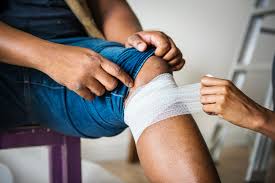
Diabetic wounds require careful attention when selecting dressings. Advanced dressings help maintain a moist, protected environment, support the body’s natural defenses, and control bacterial growth. Hydrogels are used for wounds that need a lot of moisture, such as those with dry tissue. Foam dressings offer cushioning and protection for wounds on pressure points, while dressings made from seaweed absorb heavy drainage. Some advanced dressings contain antimicrobial agents, such as silver or honey, which might help reduce bacterial counts in the wound environment. Choosing the right dressing depends on the wound’s appearance, the amount of fluid, and how frequently the dressing needs to be changed.
Get Diabetic Wound Care
Recent advances in diabetic wound care offer new treatment options. From targeted antibiotics and varied debridement techniques to hyperbaric oxygen therapy and advanced dressings, each method supports the healing process. Wound care plans are tailored to your health background and the specific needs of your wound. If you notice a wound that won’t heal or shows signs of infection, contact a diabetic wound care service today.