
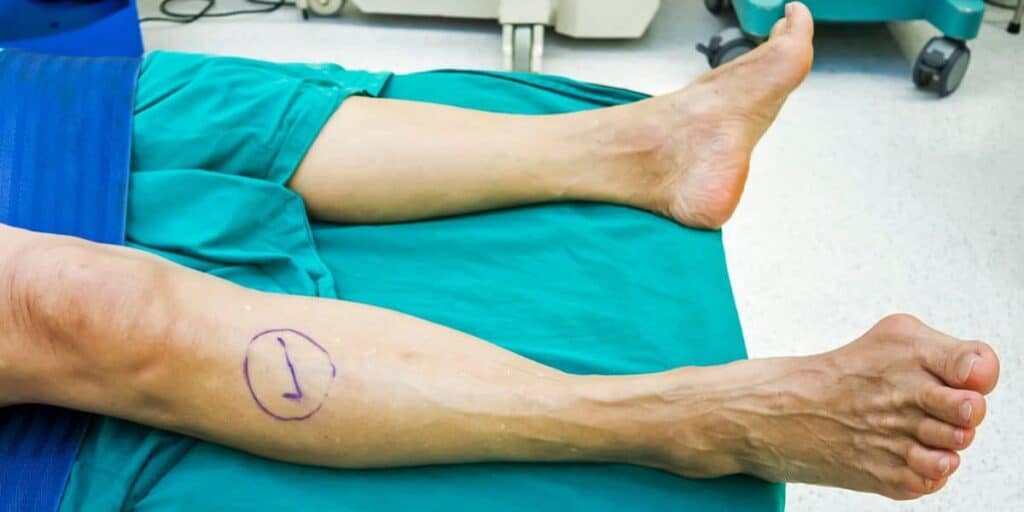
Deciding to have surgery for bunions is a significant step toward finding relief from foot pain. A bunion is a bony bump that forms on the joint at the base of the big toe, causing the toe to push against the next one. This may lead to discomfort and difficulty wearing shoes. When nonsurgical treatments no longer provide relief, surgery might become an option. Understanding the process, from the procedure itself to the recovery period, can help you feel more prepared.
How Does Bunion Surgery Work?
The goal of surgery for bunions is to realign your toe joint and fix the deformity. The type of procedure your surgeon chooses will depend on how severe your bunion is. Generally, the surgery involves an incision over the joint to access the bone and surrounding tissues.
Here are some common steps a surgeon might take:
- Osteotomy: The surgeon cuts the bone to straighten your big toe.
- Hardware Insertion: Small plates, screws, or wires might be used to hold the bones in their corrected position as they heal.
- Tissue Adjustment: The surgeon may release or tighten ligaments and tendons to help restore the joint’s proper alignment.
Most bunion surgeries are outpatient procedures, which means you can usually go home the same day. Your surgeon will discuss the best approach for your specific needs to provide the most effective outcome.
How Long Is Recovery?
The recovery timeline after bunion surgery varies from person to person. It depends on the type of procedure performed and your overall health. You will likely experience some pain, swelling, and stiffness in your foot, which can be managed with prescribed medication and by keeping your foot elevated. Your surgeon will provide specific instructions for caring for your foot and incision site.
You will need to limit weight-bearing on the operated foot for a period of time. This may involve using crutches, a walker, or a special surgical boot or shoe to protect the foot as it heals. Physical therapy might be recommended to help you regain strength, flexibility, and range of motion in your toe and foot. Many people can return to most of their regular activities within six to 12 weeks, but full recovery may take several months.
What Results Can You Expect?
The main goal of bunion surgery is to relieve your pain and correct the deformity, helping you get back to your daily life. After a successful surgery and recovery, you can generally expect a significant reduction in pain and better alignment of your big toe.
Here’s a look at what you can expect after surgery:
- Pain Relief: The primary benefit is a noticeable decrease in pain, which can improve your overall quality of life.
- Improved Foot Alignment: Correcting the deformity can make it easier and more comfortable to wear a wider variety of shoes.
- Functional Improvement: The primary focus of the surgery is to improve how your foot works, not just how it looks.
It’s necessary to have realistic expectations. While the surgery corrects the bunions, your foot may not look perfectly straight afterward. The goal is to improve function and reduce pain. Following your surgeon’s aftercare instructions carefully is the best way to achieve a successful outcome and reduce the risk of the bunion returning.
Consult a Bunions Specialist
Speaking with a podiatrist or orthopedic specialist may provide clarity on your condition and available treatments. A specialist will perform a thorough examination, review your medical history, and discuss whether surgery is the right path for you. If you are experiencing persistent pain from bunions that interferes with your daily life, schedule a consultation. Taking this step can help you find a personalized plan to get you back on your feet.