Professional teeth whitening uses concentrated formulas that break down stains faster than over-the-counter products, producing noticeable changes in less time. The cause of staining affects how well whitening treatments work, and having a professional identify the cause and type of staining can help you choose the most appropriate method for you. Professional whitening options provide controlled techniques for improving shade while supporting long-term maintenance at home.
In-Office Whitening Treatments
With in-office teeth whitening, a dentist uses high-concentration peroxide formulas that act quickly on surface and some internal stains. These treatments take place under professional supervision, and the controlled use of stronger whitening agents produces more dramatic shade changes in a shorter time than store-bought products. Extrinsic stains from foods, beverages, or tobacco often respond rapidly to these materials because they sit on the outer enamel layer. Certain intrinsic stains may also show improvement, although the result varies based on the cause of the discoloration.
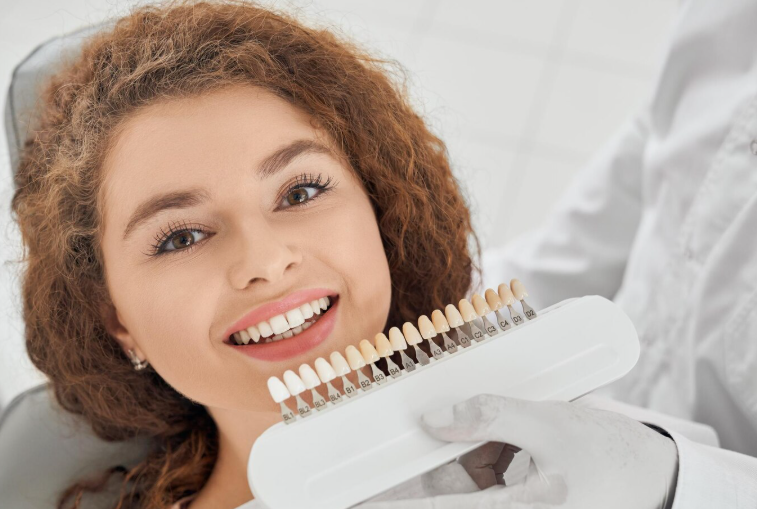
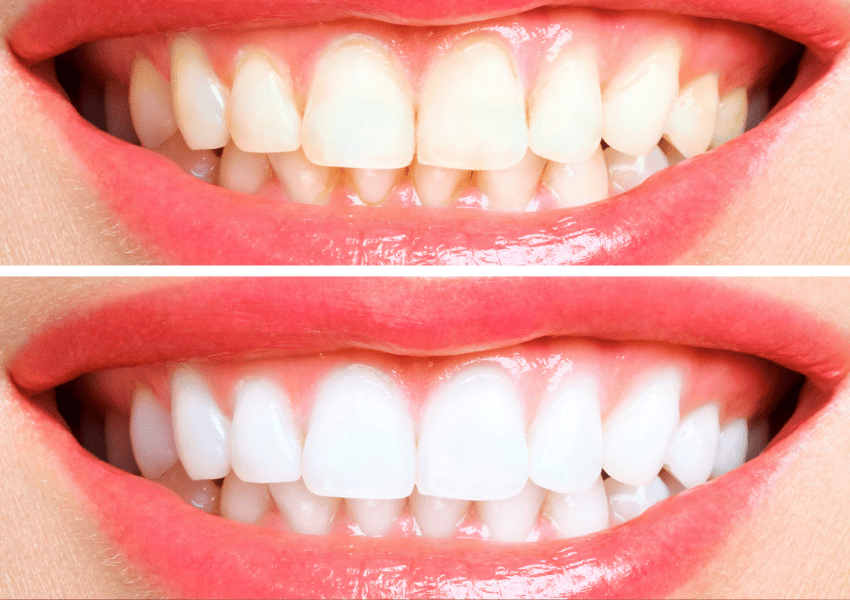
A typical appointment includes protecting the soft tissues, applying the whitening agent, and allowing it to work in several timed intervals. This approach helps peroxide reach stain molecules that alter tooth color, and it targets areas that may not respond evenly to at-home methods. Discoloration linked to medications or trauma reacts less predictably, so identifying the source can be helpful before beginning treatment. After treatment, shade changes appear immediately.
At-Home Whitening Systems
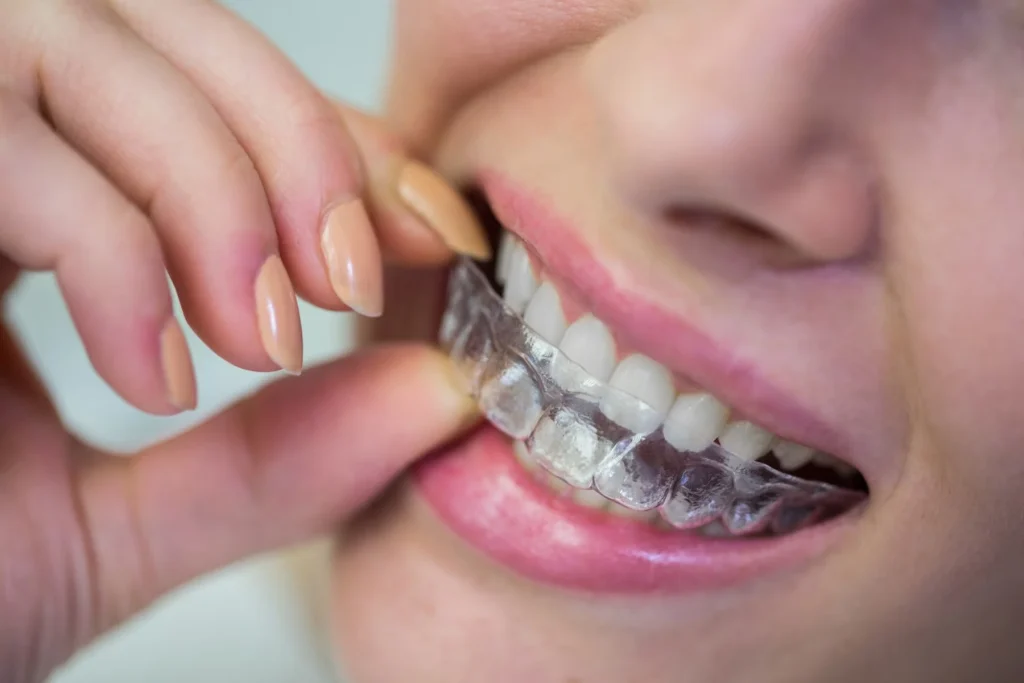
Dentists can also provide custom at-home whitening systems, which use professional-strength gels in lower concentrations for more gradual shade improvement. Custom trays can distribute whitening gel more evenly than over-the-counter strips because the trays are shaped to the individual’s bite. The slower release of peroxide in these systems builds whitening effects gradually over several days. Intrinsic and extrinsic stains may respond differently during this period based on their location and cause.
These systems include instructions for application time, gel volume, and whitening cycle length. Consistent use contributes to the final shade, while the controlled delivery may help prevent gel from spreading onto the gums. Gradual whitening can also support long-term shade stability when combined with routine oral hygiene.
Maintaining Whitening Results
To maintain whitening results, limit exposure to stain-causing substances and support your enamel health. Foods and beverages containing strong pigments, such as berries or coffee, may cause extrinsic discoloration because these pigments attach to the enamel surface. Brushing after meals, using a straw, and rinsing with water all reduce pigment contact on enamel.
Understanding stain types supports better maintenance because extrinsic and intrinsic stains accumulate differently. Professional guidance helps identify the source of discoloration and determine whether whitening is a suitable treatment. Daily brushing with non-abrasive toothpaste, regular dental cleanings, and avoiding tobacco can also contribute to preserving a lighter shade.
Learn More About Professional Teeth Whitening
Professional whitening systems target different types of tooth discoloration in concentrations that retail products do not match. Both in-office and at-home whitening options address surface and deeper stains, and their effectiveness depends on identifying the underlying cause of discoloration. Maintenance habits help preserve whitening results by limiting pigment exposure and supporting enamel health. Follow-up treatments using professional materials may extend shade changes over time based on personal staining patterns.