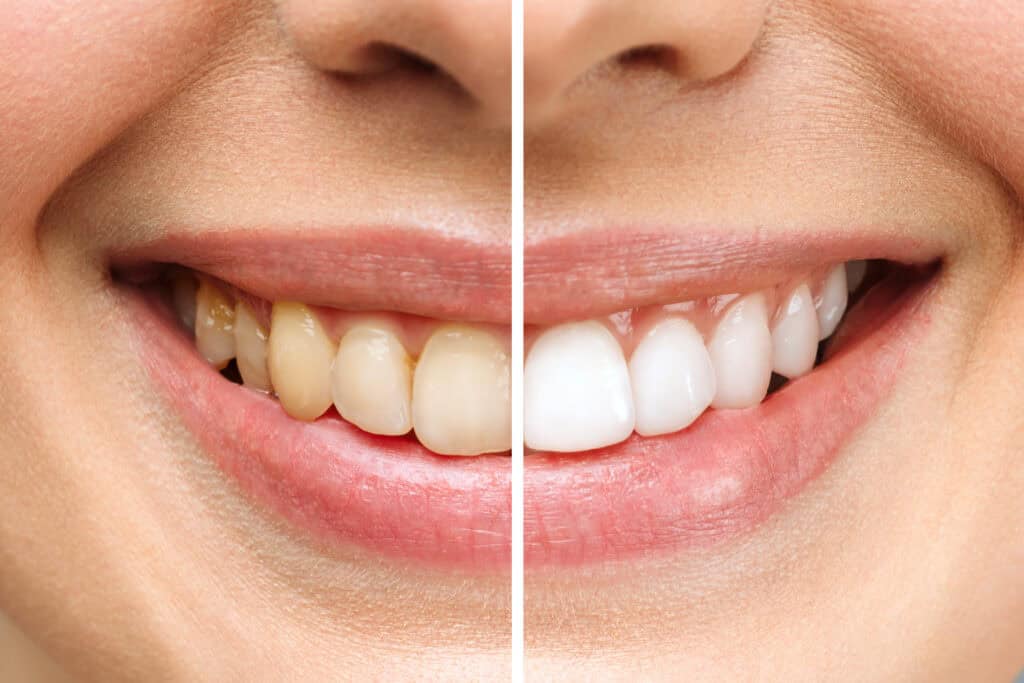
Teeth whitening treatments break down stains on teeth that brushing at home may not remove, lightening the shade of the teeth. Treatment methods vary in concentration and how they are applied, which can mean different timelines and outcomes across whitening systems. The shade of the teeth changes gradually with repeated treatments and touch-ups as needed. Here is more information about teeth whitening treatments, how they work, and what to expect if you start using them:
What Teeth Whitening Does
Teeth whitening treatments use peroxide-based compounds that oxidize and break down extrinsic, or surface-level, stains on the enamel. Some whitening treatments can go further and break up deeper intrinsic stains. Some types of intrinsic discoloration are less responsive to whitening, depending on the cause, such as aging, medications, or disease.
Treatment outcomes vary based on many factors, such as the type and cause of the stains or the whitening formula. The strength of the whitening formula and how long it makes contact with the teeth affect how drastic the results are. A professional whitening treatment in a dentist office may work more quickly with more dramatic results than an at-home kit.
Common Teeth Whitening Options
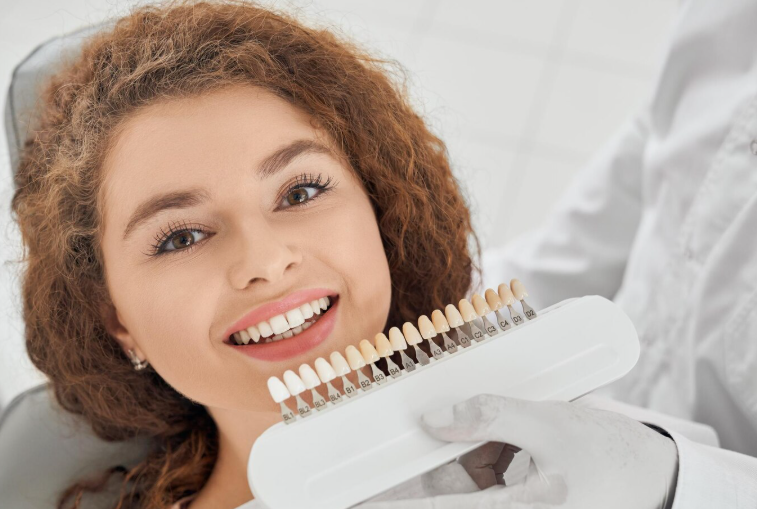
In-office whitening treatments use higher-concentration formulas applied by professionals who can know the optimal length of time to leave the treatment on the teeth. These factors often make in-office treatments quicker. Professional applications can address extrinsic stains and may improve intrinsic stains because stronger formulas may penetrate the enamel. Professional monitoring can help maintain consistent application during the treatment and may limit your gums’ exposure to the whitener more than at-home treatments.
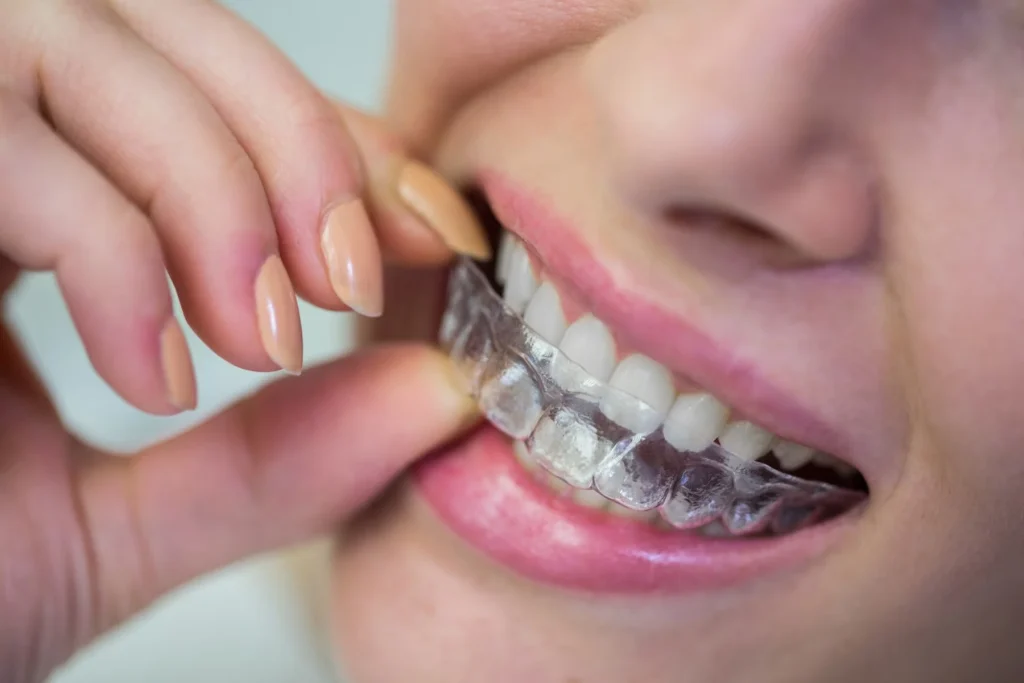
At-home whitening kits rely on lower-concentration whitening formulas that work more gradually over repeated applications. These kits may include trays or strips that hold the whitening material against the enamel for a set amount of time each application. The teeth’s shade changes incrementally as the peroxide breaks down surface-level stains throughout the treatment period. Results vary depending on how closely the application schedule matches the system’s recommended usage.
Causes of Tooth Discoloration
Intrinsic and extrinsic factors can affect how tooth discoloration develops, and some stains can be improved with whitening treatments. Extrinsic discoloration comes from pigments attaching to the enamel surface over time, such as coffee, tea, berries, and tobacco products. These types of deposits form surface-level stains that whitening agents can often break down. Dietary habits and oral hygiene patterns also influence how quickly these stains accumulate.
Intrinsic discoloration forms within the deeper layers of the tooth and may result from aging, trauma, certain medications, or genetics. These internal changes can change the color of the teeth, or sometimes they may thin the enamel and expose more of the dentin underneath, which is naturally more yellow. Some intrinsic stains respond to whitening, while others lighten only partially because the discoloration originates beneath the enamel surface. The cause and depth of the stains influence how different whitening methods perform.
Learn More About Teeth Whitening
Consult your dental provider to learn more about teeth whitening and which methods may work best for you. In-office and at-home options provide varying levels of whitening based on formula strength and contact time. Treatment outcomes differ depending on the type of stains present and the application of the whitener. These methods offer ways to address extrinsic discoloration and may improve some intrinsic stains over multiple sessions.