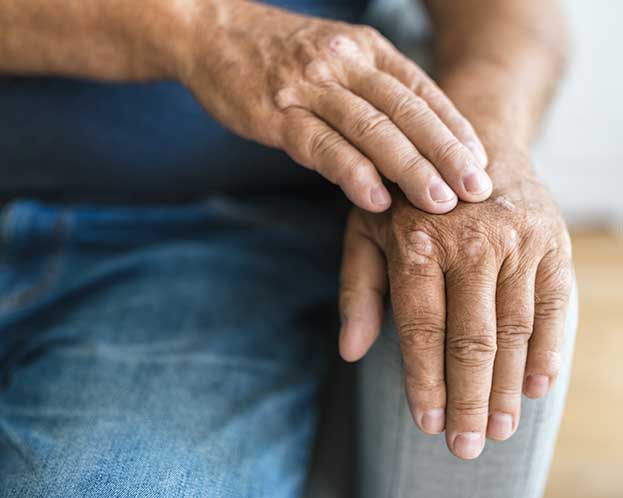

Living with pain can be challenging, affecting many aspects of your daily life. An integrative approach to pain management combines conventional medical treatments with complementary therapies to comprehensively address your discomfort. This method focuses on you as a whole person, not just the pain itself. By blending different strategies, this approach aims to improve function and quality of life. It provides a broad toolkit for managing pain symptoms effectively.
How Is Pain Assessed?
A healthcare professional begins pain management with a thorough assessment to understand your specific experience. This evaluation often includes a detailed discussion about your medical history and the nature of your pain. You might be asked to describe where you feel the pain, what it feels like, and what makes it better or worse. This conversation helps your provider get a clear picture of your situation.
Your provider may use a pain scale, asking you to rate your pain from 0 to 10. This tool helps track your pain levels over time and gauges the effectiveness of treatments. A physical examination may also be performed to identify the source of the pain and assess its impact on your movement and daily activities. This complete evaluation guides the development of a personalized pain management plan tailored to your needs.
Which Therapies Reduce Pain?
Several therapies can be part of an integrative pain management plan, offering non-pharmacological options to help reduce discomfort. These methods can be used alongside conventional medical care to support your overall well-being.
- Acupuncture: This practice involves the insertion of thin needles into specific points on the body. It is used to stimulate nerves and muscles, which may help relieve certain types of pain.
- Massage Therapy: This therapy involves manipulating the body’s soft tissues. It can help relax muscles, improve circulation, and reduce stress, contributing to pain relief.
- Mind-Body Practices: Techniques like yoga, tai chi, and meditation focus on the connection between your mind and body. These practices can improve flexibility, reduce stress, and help you cope with pain.
These therapies offer different ways to address pain and its effects on your body. Working with qualified practitioners in these fields can help you find what works best for you as part of a coordinated care plan.
What Role Do Lifestyle Changes Play?
Simple adjustments to your daily routine can play a significant part in managing pain. These changes support your body’s ability to cope with discomfort and can enhance the effects of other treatments you may be receiving. Your lifestyle choices directly influence your overall health and well-being.
Making positive changes in these areas can support your pain management efforts.
- Nutrition
- Sleep
- Physical Activity
- Stress Management
Even small, consistent changes to your diet, sleep habits, and activity level can help you feel better. A balanced diet provides your body with the necessary nutrients, while adequate sleep helps your body rest and recover. Gentle physical activity, as recommended by a professional, keeps your body moving, and managing stress can help reduce muscle tension and its impact on pain.
Consult a Pain Management Specialist
Creating an effective pain management plan often requires a collaborative approach involving a team of healthcare professionals, including primary care doctors, physical therapists, and specialists in complementary therapies. This integrative model addresses your unique needs from multiple angles for a well-rounded treatment experience. Consulting a pain management specialist is a great next step if you’re struggling with pain. They can evaluate your condition, recommend therapies that align with your goals, and help develop a personalized plan. By combining different strategies, integrative pain management aims to reduce pain and improve your daily function. Reach out to a qualified specialist to explore your options.