
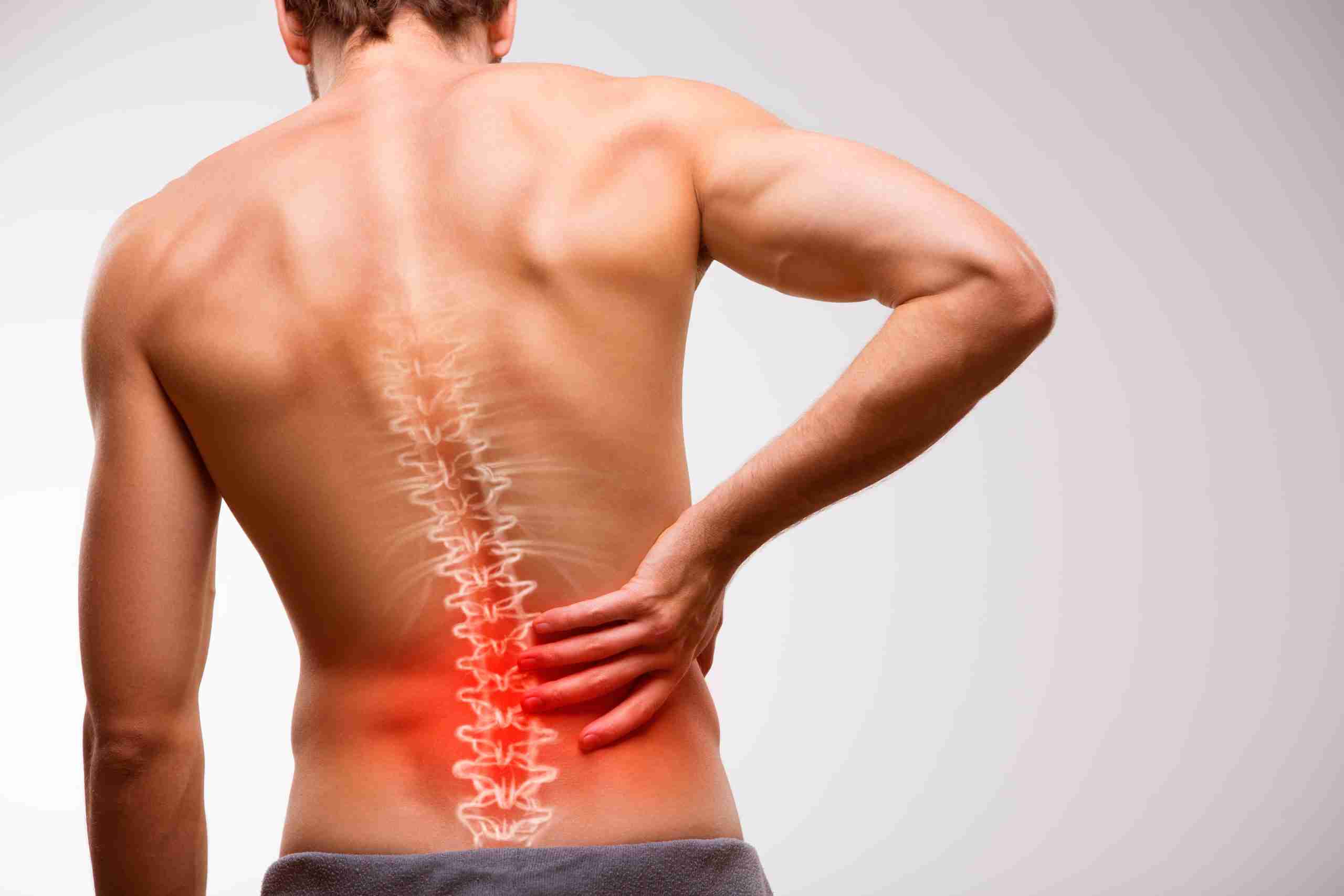
Back pain is a widespread condition that affects millions of people, often disrupting daily activities and diminishing quality of life. Understanding the complexities of back pain is the first step toward finding effective relief and preventing future occurrences. Here is more information on the nature of this pain, its common triggers, associated symptoms, and available treatment options:
What Is Back Pain?
Back pain refers to discomfort or aching anywhere on the back. It ranges from a dull, constant ache to a sharp, sudden pain. The back is a complex structure of bones, joints, ligaments, and muscles, so any of these components can be a source of discomfort. Pain can be categorized as acute, lasting a few days to a few weeks, or chronic, persisting for longer than 12 weeks.
What Triggers It?
Several factors can lead to this pain, often related to daily habits or underlying medical conditions. Common triggers include muscle or ligament strains from improper lifting or sudden, awkward movements, which can strain the spinal structure. Degenerative conditions such as arthritis or disc problems are also common causes, as they may affect the spine’s integrity over time.
Poor posture, obesity, and a sedentary lifestyle contribute to back stress. These factors can gradually weaken the back’s supportive muscles. Identifying the specific trigger is beneficial for developing an effective management plan, so a professional evaluation is often recommended.
What Are the Accompanying Symptoms?
The primary symptom is pain itself, but it manifests in various ways and may be accompanied by other signs. Some individuals experience muscle aches or shooting and stabbing sensations, while others feel pain that radiates down the leg. Limited flexibility or range of motion in the back is another common symptom, which can make simple movements difficult.
In some cases, back pain is a sign of a more serious condition that requires prompt medical attention. If you experience weakness, numbness in your legs, or issues with bladder control, seek immediate care. A thorough diagnosis will help distinguish between common back pain and symptoms of a more severe problem.
What Are the Treatment Options?
Managing back pain involves a range of approaches, from simple lifestyle adjustments to medical interventions. The goal is to reduce discomfort, restore function, and prevent recurrence.
- Activity Modification: Adjusting daily activities helps alleviate back stress and may involve learning proper lifting techniques or improving posture.
- Physical Therapy: A physical therapist can design a personalized program to strengthen back and abdominal muscles, thereby improving spinal support.
- Minimally Invasive Surgery: For persistent pain that does not respond to conservative treatments, minimally invasive surgery may be an option. These procedures use smaller incisions than traditional surgery.
How Is Professional Guidance Beneficial?
Seeking guidance from a healthcare professional provides a structured path to recovery, and it begins with an accurate diagnosis. A specialist can perform a physical examination and use imaging tests to identify the root cause of the pain. This detailed assessment allows for the creation of a tailored treatment plan that addresses your specific condition. A professional can also offer advice on lifestyle changes and preventive measures, which helps you take an active role in your health.
Find Relief Now
Back pain can be a complex condition, but a variety of effective treatments are available to provide relief. From modifying activities and engaging in physical therapy to evaluating minimally invasive procedures, there are options for recovery. Professional guidance is key to navigating these options and finding the right solution for you.