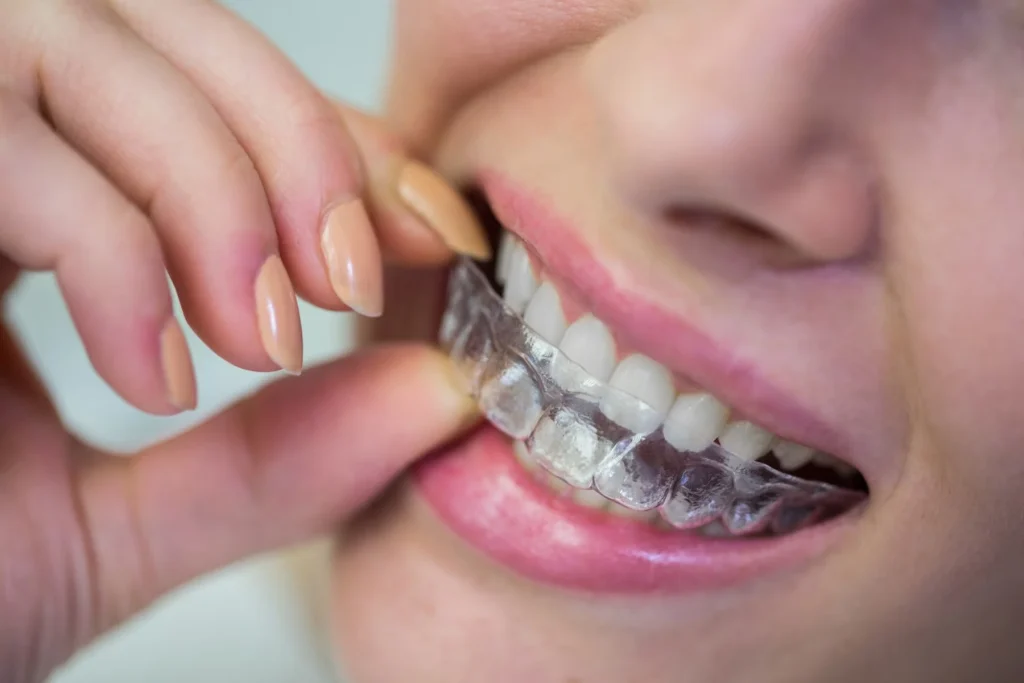
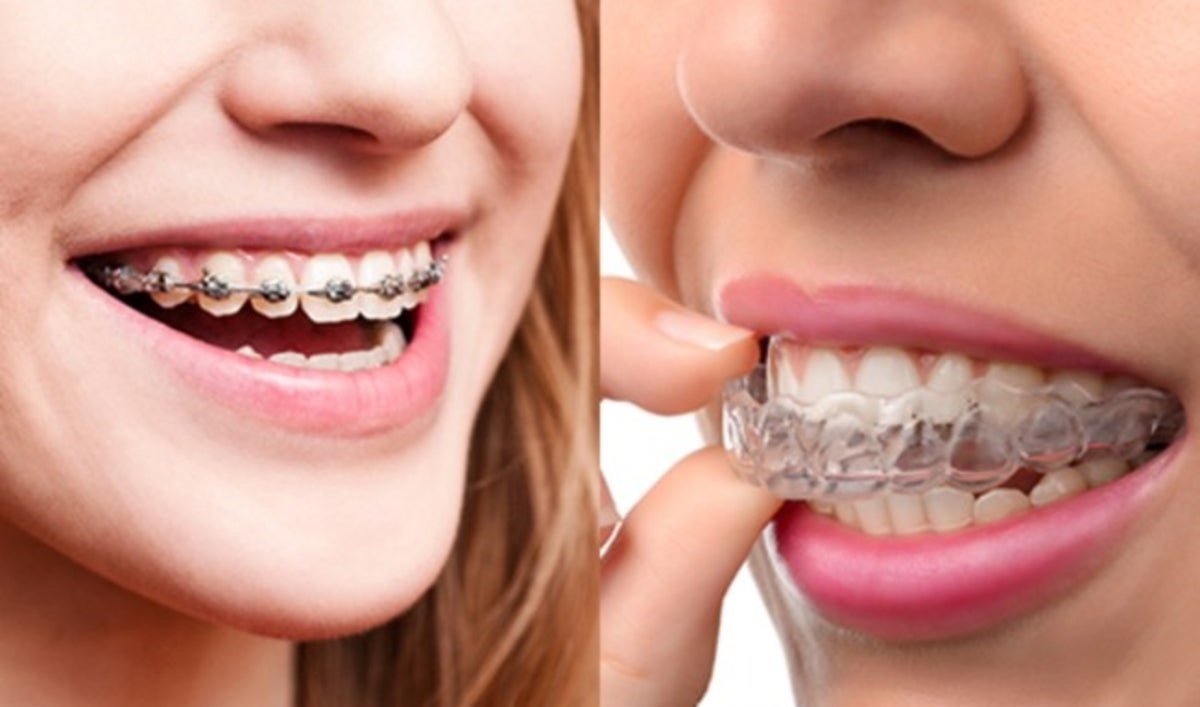
Invisaligns provide an alternative to fixed orthodontic appliances by using clear, removable aligners. These aligners guide tooth movement without brackets or wires, which creates a different treatment experience than traditional braces. Both systems reposition teeth through controlled force but use different materials and mechanics to achieve those changes. Each method supports orthodontic goals through predictable and structured steps. Here is more information about Invisalign clear aligners, how they work, and how they compare to traditional braces.
How Invisaligns Compare
Invisaligns use thin plastic trays that fit closely around the teeth to create targeted pressure during treatment. Each aligner tray represents and accomplishes one step in an overall sequence of movement for the teeth, ultimately achieving the final position and look. Because these trays are replaced on a set schedule, the progression follows a consistent pattern that supports gradual repositioning across multiple stages. The clear aligners are removable, which allows easy access to the full tooth surface during brushing and flossing.
Traditional braces rely on brackets that attach to each tooth, with wires that provide the pressure to gradually move the teeth. With Invisaligns the provider changes the tray, and with braces the provider adjusts the wire to apply new pressure patterns. This system maintains contact with the teeth at all times, providing continuous force throughout the day. Brackets and wires are visible during treatment, and cleaning typically requires additional tools and time to get between the tight spaces around the hardware.
Treatment Process Differences
Clear aligner treatment begins with digital scans that capture the shape, spacing, and alignment of the teeth. The provider uses these images to creation a series of custom trays. The patient wears aligners most of the day, and each one introduces a small adjustment, building on the previous stage. Small attachments may be added to certain teeth to increase grip between the aligner and enamel. Follow-up visits focus on tracking progress and distributing the next set of trays.
Traditional braces require a placement appointment in which the orthodontist bonds the brackets to the teeth and connects the brackets with a metal archwire. The wire may be adjusted during visits to modify the force applied across the teeth. Braces remain in place throughout treatment, so each adjustment begins working immediately. Elastic bands may be used to guide bite-related changes. The process continues until the teeth reach the planned alignment.
Function and Daily Experience
Removable aligners allow normal eating at meals. This feature avoids food restrictions, and cleaning the trays involves rinsing and brushing them with nonabrasive products. The smooth material can limit friction against the cheeks during daily movement. Because each tray is molded to the teeth, many patients adapt to the appliances as the mouth adjusts to the thin layer of material.
Braces remain attached during meals, so certain foods may require modification or to be avoided entirely to prevent wire or bracket damage. Cleaning routines typically include angled brushing and floss threaders to reach the enamel surface between brackets. If the metal hardware rubs against the cheeks or lips, patients can use wax to reduce irritation. Adjustments might introduce short periods of feeling pressure as the wire moves the teeth.
Explore Your Orthodontic Options
Both Invisaligns and traditional braces guide predictable changes in tooth position, and each approach supports alignment goals through structured steps. The distinction lies in how the appliances interact with the teeth, how daily habits may or may not shift during treatment, and how follow-up visits manage progression. Consult an orthodontist to learn more about clear aligners and traditional braces.