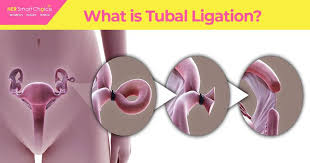
Fallopian tube removal, or salpingectomy, is a surgical procedure to remove one or both of a woman’s fallopian tubes. These tubes connect the ovaries to the uterus, and their removal may be recommended for various medical reasons. To treat various conditions or lower the risk of cancer, a doctor might suggest the procedure. Here are some of the steps involved in the procedure to help you prepare for what to expect before and after surgery:
Receiving Anesthesia
Before the operation begins, an anesthesiologist administers medication to prevent you from feeling pain during the procedure. General anesthesia is typically used, which will put you into a sleep-like state. The anesthesia team may monitor your breathing and heart rate throughout the entire operation.
Determining Surgery Type
Your surgeon will determine the optimal surgical approach based on your specific medical condition and overall health. A unilateral salpingectomy involves removing one fallopian tube, while a bilateral salpingectomy involves removing both. The surgeon may discuss which option is appropriate for you before the day of the procedure.
The surgery itself may be performed in one of two ways. A laparoscopic salpingectomy is a minimally invasive technique. This method uses small incisions in the abdomen, and the surgeon inserts a small camera to perform the removal. The small incisions may lead to a quicker recovery time.
In some situations, an open abdominal salpingectomy is necessary. This approach involves a larger incision, giving the surgeon direct access to the fallopian tubes. While this method is more invasive, it may be selected in cases of extensive scar tissue, large masses, or emergencies where a laparoscopic approach is not feasible. Recovery from an open procedure typically takes longer than recovery from a laparoscopic one.
Removing Fallopian Tubes
During the procedure, the surgeon aims to detach the fallopian tube from its surrounding structures, including the uterus and the ovary. Once the tube is identified, the surgeon can carefully clamp and cut the blood vessels that supply it to prevent bleeding. The tube is then separated from the ligaments that hold it in place and removed from the body. The surgeon typically closes the incisions with sutures, staples, or surgical glue.
Managing Pain
After fallopian tube removal, some pain is normal, but your medical team will provide medication to manage it. You typically receive instructions on how to care for yourself at home. This guidance may include:
- Keeping the incision sites clean and dry
- Watching for signs of infection, such as fever or increased redness
- Avoiding heavy lifting and strenuous activity for a few weeks
- Gradually returning to your normal diet
You may be able to return to your daily routines within a few weeks, although the exact timeline depends on the type of surgery performed and your individual healing process. You will have a follow-up appointment to check on your healing and address any questions.
Schedule Fallopian Tube Removal
Preparing for a salpingectomy involves clear communication with your healthcare provider to understand the procedure and its expected outcomes. You may receive specific preoperative instructions, such as when to stop eating and drinking, before your scheduled surgery date. If you have questions or are ready to discuss your options, contact a gynecology clinic to schedule a consultation with a specialist.