
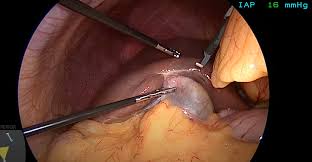
Gallbladder surgery, also known as a cholecystectomy, is a medical procedure performed to address issues affecting the gallbladder. This small, pear-shaped organ located beneath the liver plays a role in digestion by storing and releasing bile. When problems arise, surgical removal may be recommended, and understanding the procedure helps patients prepare. Here is more information on gallbladder surgery, from the conditions it treats to the recovery process:
What Is Gallbladder Surgery?
Gallbladder surgery is the surgical removal of the gallbladder, and it may be performed using a laparoscopic approach. This minimally invasive procedure involves making several small incisions in the abdomen. A tiny video camera and specialized surgical tools are inserted through these incisions, allowing the surgeon to visualize the abdomen and safely remove the gallbladder. It is a highly effective and standard technique, making gallbladder removal a smoother process for many patients.
What Does It Treat?
Gallbladder surgery is primarily performed to treat gallstones and the complications they cause. Gallstones are hardened deposits of digestive fluid that can form in your gallbladder, and they vary in size from as small as a grain of sand to as large as a golf ball. These stones can block the bile ducts, leading to inflammation, infection, and significant pain. The procedure also addresses other gallbladder-related conditions.
What Does the Process Involve?
The process begins with a comprehensive evaluation by a surgeon, which may include blood tests and imaging studies such as an ultrasound. Before the operation, patients receive general anesthesia, so they are unconscious and unable to feel pain during the procedure. The surgical team then proceeds with the laparoscopic technique.
During a laparoscopic cholecystectomy, the abdomen is inflated with carbon dioxide gas to create space for the surgeon to work. A surgeon carefully detaches the gallbladder from the liver and bile ducts before removing it through one of the small incisions. The entire procedure usually takes 60 to 90 minutes.
What Are the Benefits?
The primary benefit of gallbladder surgery is the relief of pain and other symptoms caused by gallbladder disease. Patients may experience a significant improvement in their quality of life due to reduced pain. Removing the gallbladder also eliminates the risk of gallstone-related complications, including serious infections.
After the gallbladder is removed, bile flows directly from the liver into the small intestine, and most people can digest food normally without a gallbladder. This allows patients to return to their regular activities and diet without the discomfort they previously experienced. Minimally invasive surgery can also offer a smoother recovery.
What Is Recovery Like?
Recovery from gallbladder surgery varies depending on the type of procedure performed. Patients who undergo a laparoscopic cholecystectomy may go home the same day, and they typically return to normal activities within a week or two. Discomfort is usually manageable with prescribed pain medication. Your surgeon will provide specific instructions for wound care and diet following the procedure.
Consult a Surgeon Today
Gallbladder surgery is a definitive treatment for conditions like gallstones, offering lasting relief from painful symptoms. Understanding the details of the procedure, from its purpose to the recovery phase, is a key step in preparing for the operation. If you are experiencing symptoms of gallbladder disease, consult with a qualified surgeon. A medical professional can provide a thorough evaluation and discuss whether a cholecystectomy is the right treatment option for you.