
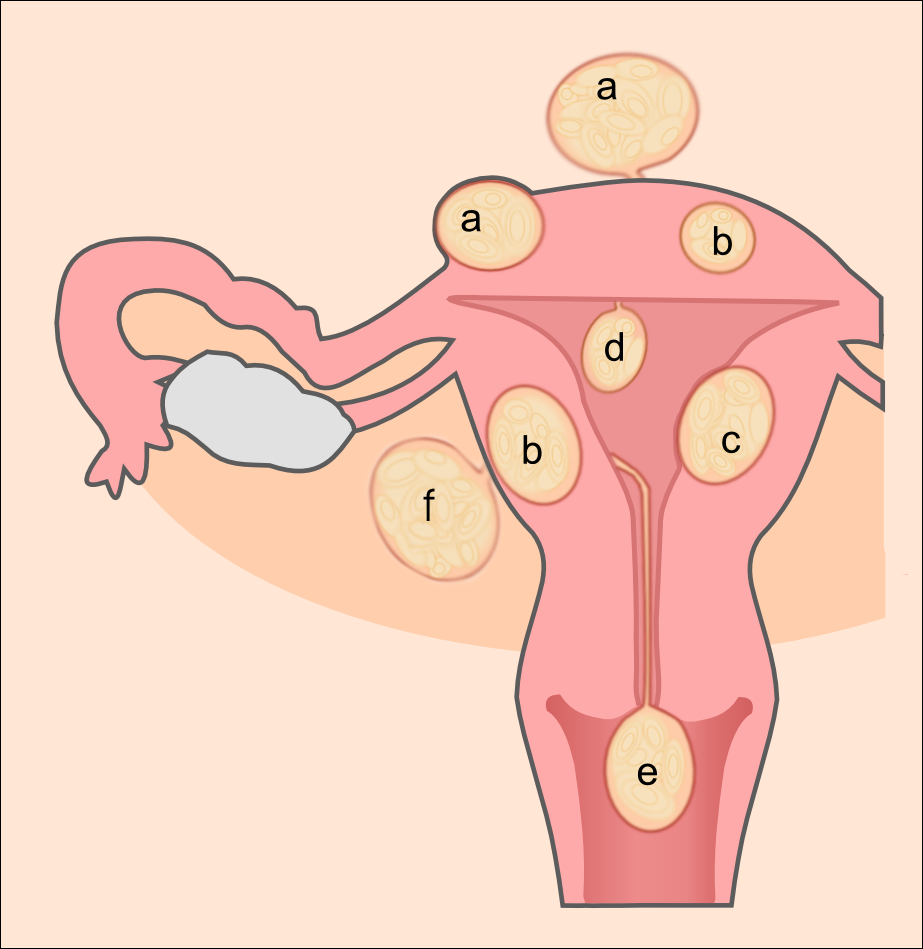
Uterine fibroids are common, noncancerous growths that develop in the uterus, and many women will have them at some point during their lives. These growths, also known as leiomyomas or myomas, are composed of muscle and connective tissue from the uterus wall. Here is more information about uterine fibroids, including their causes, symptoms, and the available treatment options:
What Are Fibroids?
Fibroids are growths that appear in different locations within the uterus, and their size varies significantly. Some fibroids are as small as a seed, while others can become large enough to distort the shape of the uterus. A woman may have a single fibroid or multiple ones. Their location influences the types of symptoms a woman experiences.
The growths are classified based on where they appear, such as inside the uterine cavity, within the uterine wall, or on the outer surface of the uterus. Their size and location are factors in determining the appropriate course of action, so a correct diagnosis is a primary step. Consulting a specialist helps with diagnosis and treatment.
What Causes Them?
Several factors may contribute to the development of this condition. Hormones, particularly estrogen and progesterone, may play a role in their growth, as fibroids contain more receptors for these hormones than typical uterine muscle cells do. These growths often shrink after menopause when hormone levels decrease. Genetic factors may also influence their development, since having a family history of fibroids increases the risk of developing them.
What Are the Symptoms?
Some women with fibroids do not experience any symptoms, so the condition can go unnoticed. When symptoms do occur, they are often influenced by the size, number, and location of the fibroids. Common symptoms include heavy or prolonged menstrual bleeding, which can sometimes lead to anemia.
Other symptoms include pelvic pain or pressure, frequent urination, and difficulty emptying the bladder. Some women may experience back pain if fibroids press on nerves. In certain cases, fibroids can also affect fertility or lead to complications during pregnancy.
What Are the Treatment Options?
Diagnosing fibroids often involves a pelvic exam and imaging tests, with magnetic resonance imaging (MRI) providing detailed pictures of the uterus. An MRI allows a medical professional to clearly see the size and location of the fibroids, which aids in planning treatment. MRI information helps determine the most suitable approach for each individual.
For women who require treatment, uterine fibroid embolization (UFE) is a minimally invasive procedure. UFE works by blocking the blood supply to the fibroids, causing them to shrink and die. This option preserves the uterus and is an alternative to more invasive surgical procedures like a hysterectomy.
How Is Professional Care Beneficial?
Seeking professional medical care is beneficial for obtaining an accurate diagnosis and creating a suitable treatment plan. A specialist can conduct a thorough evaluation, which may include a pelvic exam and imaging tests like an MRI. These diagnostic steps help to confirm the presence of fibroids and rule out other potential conditions. Regular monitoring may be recommended if symptoms are mild, while more active treatment can be pursued if symptoms are severe.
Seek Medical Treatment Today
Uterine fibroids are common growths that cause a range of symptoms, from heavy bleeding to pelvic discomfort. Various treatment options are available, and a medical evaluation helps determine the most suitable path forward for your specific situation. If you are experiencing symptoms related to fibroids, consult with a healthcare provider. A professional can offer a diagnosis and discuss treatment possibilities, such as uterine fibroid embolization.