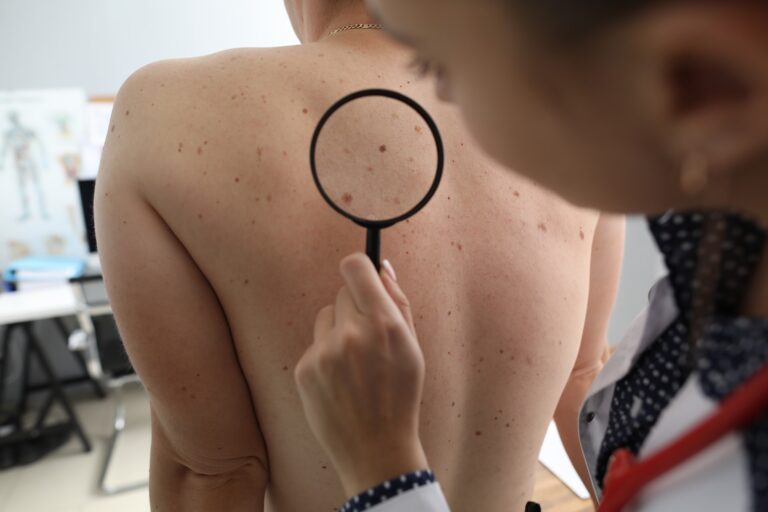
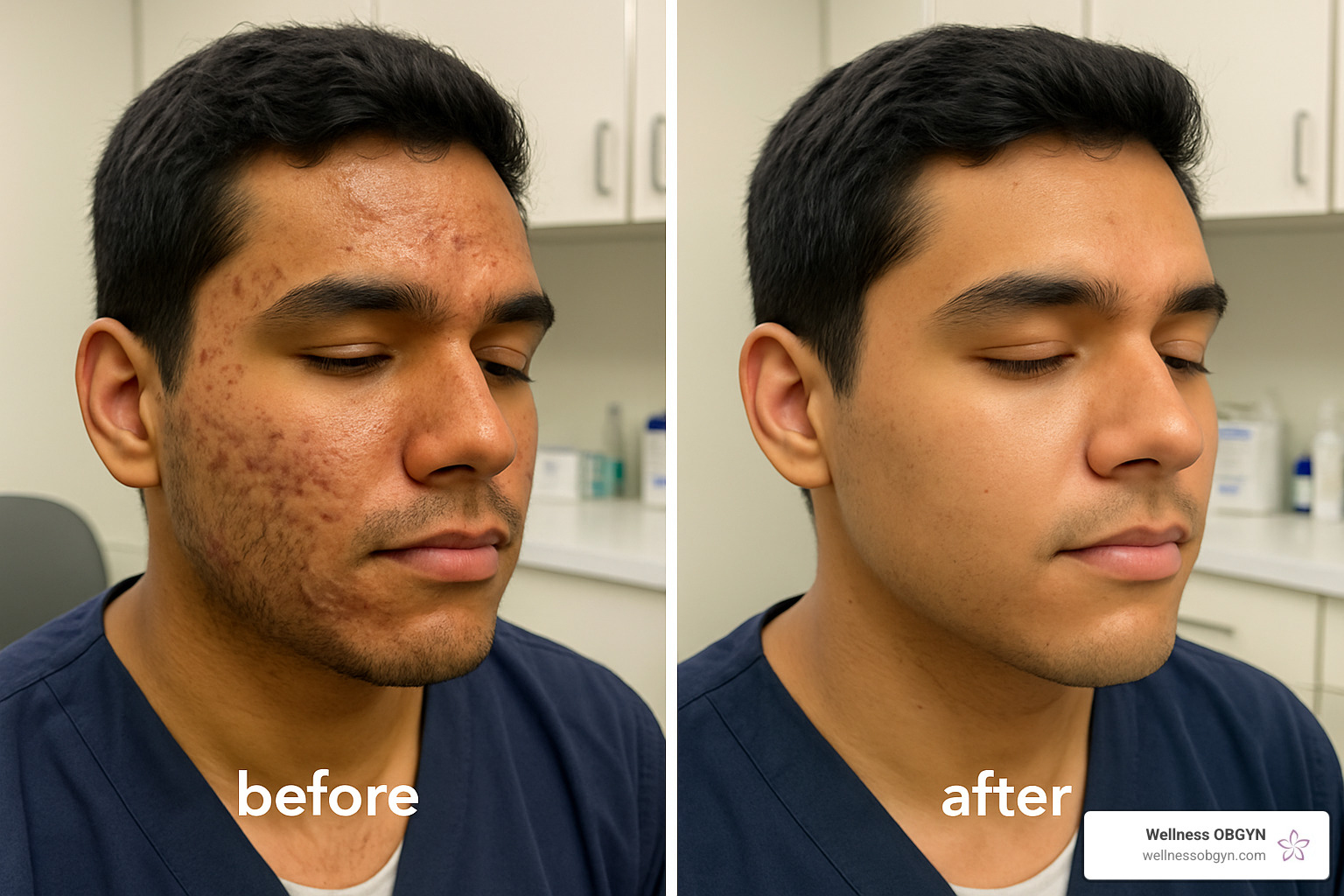
A skin doctor, known as a dermatologist, is a medical professional specializing in the diagnosis and treatment of conditions affecting the skin, hair, and nails. These specialists possess extensive knowledge of skin health and can offer various procedures to address cosmetic and medical concerns. For individuals with acne scarring, a dermatologist can recommend a personalized treatment plan to improve the skin’s texture and appearance. Here’s information on cosmetic services for reducing acne scarring concerns:
Microneedling
A visit to a dermatologist is typically a straightforward experience designed to address your aesthetic concerns. During your appointment, the skin doctor will start with a detailed discussion about your medical history, including any skin issues, allergies, or treatments you’ve tried in the past. They will then perform a thorough examination of your skin, hair, or nails, depending on your concerns. The dermatologist’s goal is to inform you and support your needs, whether you’re interested in services like:
- Creating a Skincare Regimen
- Prescribing Medication
- Preparing for a Procedure
Microneedling is a procedure that involves using a device with fine, short needles to create controlled micro-injuries in the skin. This process stimulates the body’s natural wound healing response, which encourages collagen and elastin production. The new collagen helps to smooth and remodel the skin from within, and this process can reduce the appearance of atrophic acne scars over a series of treatments.
Skin Resurfacing
Skin resurfacing treatments work by removing the outer layers of the skin to reveal the newer, smoother skin underneath. A dermatologist can determine the appropriate depth and type of resurfacing needed to address the specific character of a patient’s acne scars. Two common methods of skin resurfacing are chemical peels and dermabrasion.
Chemical Peels
Chemical peels involve the application of a chemical solution to the skin, which causes it to exfoliate and eventually peel off. The new, regenerated skin is often smoother and less irregular. Peels vary in strength, from superficial to deep, depending on the chemical agent used and the concentration. The type of peel selected will depend on the severity of the acne scarring and the patient’s skin type.
Dermabrasion
Dermabrasion is a more intensive skin resurfacing technique that uses a rapidly rotating instrument to sand the outer layers of the skin. This process effectively removes damaged surface skin to address deeper scars. Because it is an aggressive procedure, it is performed by a qualified skin doctor to manage the process and support proper healing.
Laser Therapy
Laser therapy utilizes focused beams of light to treat acne scars. There are two main types of lasers used for this purpose: ablative and non-ablative. Ablative lasers remove thin layers of skin with precision, while non-ablative lasers stimulate collagen growth without removing skin. The heat from the laser encourages the formation of new, healthy skin tissue.
Some key benefits of laser therapy are:
- A Reduction of the Appearance of Acne Scars
- Promoting New Skin Growth
- Stimulating Collagen Production for Improved Skin Texture
- Personalized and Precise Treatment Options
Fillers
For certain types of depressed or atrophic acne scars, a skin doctor might suggest the use of soft tissue fillers. This procedure involves injecting a substance, such as hyaluronic acid, directly into the scar to lift the depression and create a smoother surface. The results from fillers are temporary, so repeat treatments are necessary to maintain the effect. This approach can be very effective for specific types of pitted scars, offering immediate improvement in skin contour.
Contact a Skin Doctor Today
Acne scarring presents in many different forms, and a professional consultation is the first step toward finding a suitable solution. A skin doctor can properly assess your scar types and skin condition to develop an effective treatment strategy. Contact a dermatologist today for personalized guidance.