Spinal stenosis is a condition where the spinal canal narrows. This narrowing places pressure on the nerves that travel through the spine, and it typically occurs in the lower back and neck. While there is no cure, various treatments can help manage symptoms such as pain, numbness, or muscle weakness. Here is more information on these treatment options to help manage the condition:
Over-the-counter Drugs
Over-the-counter NSAIDs are a standard first-line approach for pain. These medications, such as ibuprofen and naproxen, work by reducing inflammation to alleviate discomfort. Patients can buy them without a prescription, but a healthcare provider may suggest specific dosages. It is a good practice to follow the instructions on the label.
Prescription-strength NSAIDs are also available for more persistent pain. A doctor evaluates a patient’s condition before prescribing these more potent medications. These drugs may offer more substantial relief, but they also come with a different risk profile. Patients report their experiences to their providers for ongoing assessment.
Physical Therapy
Physical therapy aims to improve strength and flexibility. A trained therapist can guide patients through specific exercises designed to build muscle, and this process helps support the spine. Patients may learn proper form and technique, which they can apply to daily activities for better movement. Consistent participation in a therapy program is part of the treatment plan.
Chiropractic Care
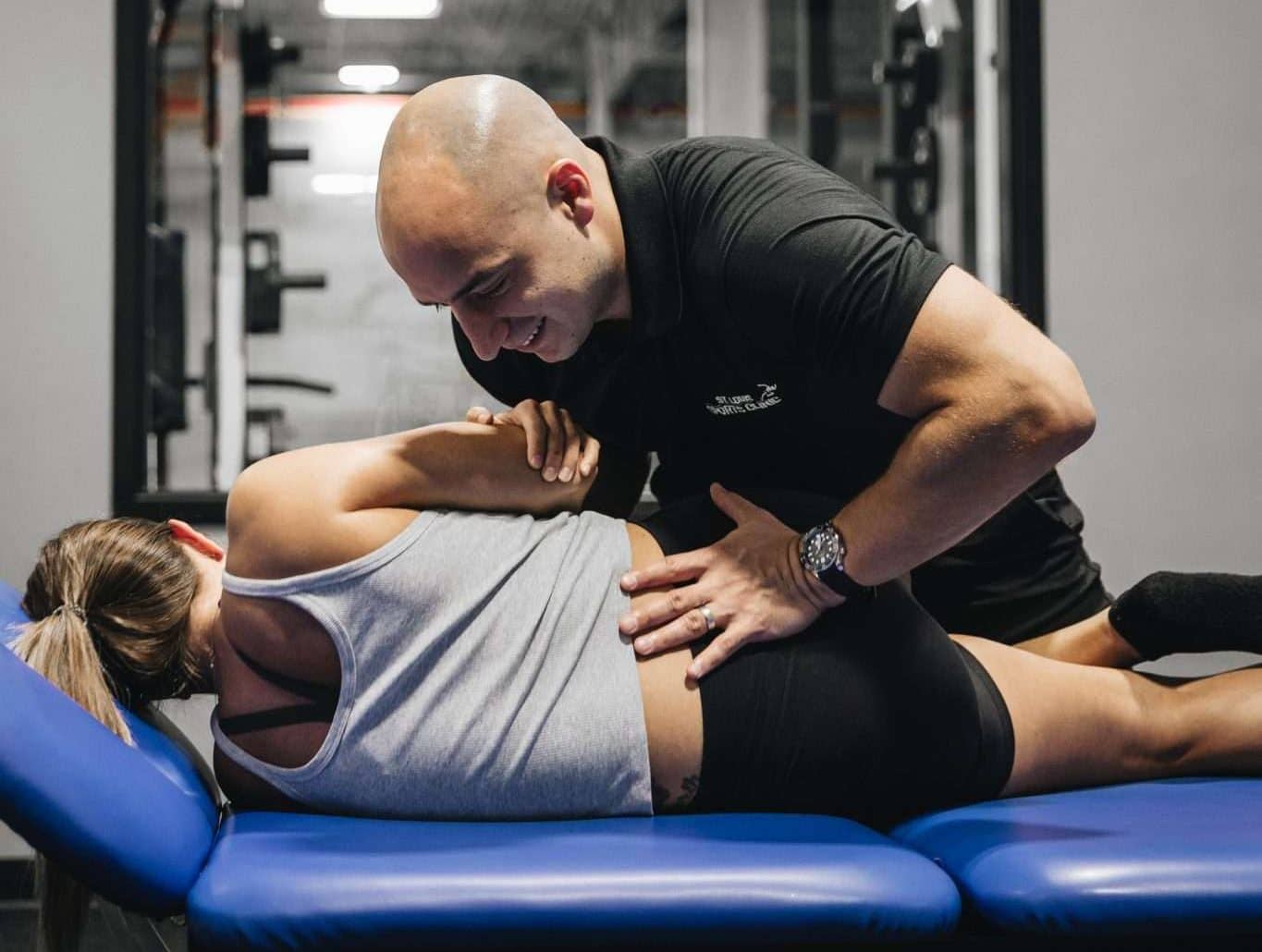
Chiropractic adjustments involve manual manipulation of the spine. A chiropractor applies controlled force to spinal joints, and this action is intended to improve spinal motion. While people seek this care for pain relief, outcomes vary among individuals. The treatment plan is based on each person’s specific needs.
The initial consultation involves a thorough examination. A chiropractor will review your medical history, and they might perform a physical assessment. To see more information, X-rays or other imaging tests may be requested before any adjustments are made. This information helps the chiropractor understand the specifics of your spinal stenosis.
Follow-up visits are typically part of a chiropractic treatment plan. The frequency of visits depends on the patient’s response to care, so the chiropractor will monitor progress over time. Adjustments are made to the treatment approach based on changes in symptoms, and open communication between the patient and the provider is beneficial.
Cervical Traction
Cervical traction is a method used for stenosis in the neck. This technique gently stretches the neck, and it helps to open up the spaces between the vertebrae. It may be performed by a physical therapist or with a device at home. The goal is to relieve pressure on the spinal nerves. Because issues vary, different devices are available for home use:
- Over-the-door units use a harness and pulley system.
- Pneumatic devices use an inflatable bladder to create tension.
- Postural pumps use an arched frame for a gentle stretch.
Get Treated for Spinal Stenosis
Managing spinal stenosis involves working with healthcare professionals. You can explore different treatment paths after receiving a diagnosis. A provider can explain the available options, and you can make informed decisions together. Schedule a consultation with a qualified healthcare provider to discuss your symptoms.