
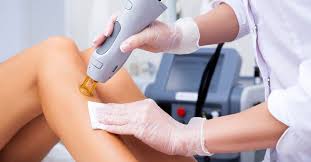
Veins are blood vessels that return deoxygenated blood from the outer parts of the body back to the heart and lungs. When veins become visible or enlarged, some people may seek treatment options. Understanding the available procedures, like sclerotherapy, can help you feel more prepared when discussing them with a healthcare professional.
What Is Sclerotherapy?
Sclerotherapy is a procedure used to address the appearance of spider veins and small varicose veins. During the process, a healthcare provider injects a solution directly into the affected vein. This solution irritates the lining of the blood vessel, causing it to collapse and adhere to itself.
Over time, the vessel turns into scar tissue that fades from view. The body then reroutes the blood through healthier veins. A typical session is often completed in an office setting and may involve multiple injections, depending on the number of veins being treated.
What Other Vein Treatments Exist?
Beyond sclerotherapy, several other treatments are available for vein-related concerns. These procedures use different methods to close off or remove affected veins. Your provider can help you understand which approach might be suitable for your specific situation. A few common alternatives include:
- Endovenous laser ablation (EVLA)
- Radiofrequency ablation (RFA)
- VenaSeal closure system
- Ambulatory phlebectomy
Each of these procedures works differently to manage vein issues. Some use heat to seal the vein, while others involve a medical adhesive or the physical removal of the vein through small skin punctures. The recovery period and aftercare instructions will vary based on the specific treatment performed.
How Should You Prepare for Treatment?
Preparing for any medical procedure can feel a bit overwhelming, but your doctor will provide you with specific instructions tailored to your treatment. Following these steps carefully is key to your safety and the successful completion of the procedure. Here are some common ways you might need to prepare:
- Medication Adjustments: You may need to discontinue taking certain medications, such as aspirin or blood thinners, for a few days before your appointment. This helps reduce any risk of bleeding during or after the procedure. Always follow your doctor’s exact instructions.
- Skin Care: On the day of your treatment, avoid applying lotions, oils, or creams to your legs. Clean skin allows any markings made by your doctor to be clear, and medical tape or dressings to adhere properly.
- Transportation: It’s a good idea to arrange for someone to drive you home after your procedure. You might feel a little tired or have some temporary mobility limitations, so having a ride makes sure you get home safely and comfortably.
These preparatory steps are designed to make your experience as comfortable and effective as possible. If you have any questions about your specific instructions, don’t hesitate to ask your medical team.
Consult a Specialist
Navigating vein treatment options starts with a conversation. A qualified specialist can evaluate your veins and discuss your personal health history. They will provide detailed information about the procedures that align with your needs and answer your questions. This dialogue will help you understand the benefits and risks associated with each option. Schedule an appointment with a vein specialist to begin exploring your treatment path.