Regular skin examinations are a component of a proactive approach to health. Early detection of atypical skin growths and skin cancer is associated with more straightforward management options. Dermatologists are medical doctors who specialize in conditions involving the skin and can identify and manage skin conditions. Their expertise is a valuable resource for individuals seeking to maintain their skin health through routine evaluations.
What Is Skin Cancer?
Skin cancer refers to the abnormal growth of skin cells. This condition most often develops on skin exposed to the sun, but it can also form on areas of the skin not ordinarily exposed to sunlight. There are several types of skin cancer, with the most common being basal cell carcinoma, squamous cell carcinoma, and melanoma. Each type originates from different cells within the skin’s layers and presents with distinct characteristics.
Risk factors for developing skin cancer can include prolonged sun exposure, fair skin, and a personal or family history of the condition. General signs that people might observe include the appearance of new growths or a change in an existing spot. Other potential indicators are rough or scaly patches and changes in the texture or color of a mole.
How Is It Diagnosed?
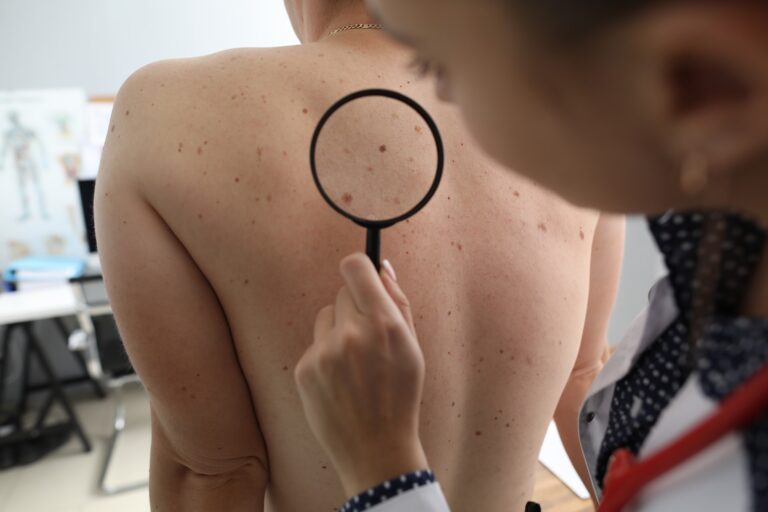
When a person visits a dermatology clinic for a skin check, the process typically begins with a comprehensive visual examination of the entire skin surface. During this exam, a dermatologist may look for any spots that appear unusual in size, shape, color, or texture. If a particular spot raises concern, the dermatologist can document its location, size, and appearance.
Should a lesion require further investigation to determine its nature, the next step is often a skin biopsy. A biopsy is a procedure in which a small sample of tissue is removed from the skin and sent to a laboratory for examination. The tissue is then examined under a microscope to identify the presence of abnormal cells. A biopsy is the definitive method for diagnosing skin cancer. In certain situations, if a diagnosis is confirmed, further tests, such as imaging studies, may be recommended to determine the extent of the condition.
How Is It Treated?
The treatment for skin cancer is determined by several factors, including the type of cancer, its size and location, and the patient’s overall health. A qualified medical professional will guide the selection of the most appropriate treatment plan. Surgical excision, which involves removing the cancerous tissue along with some surrounding healthy skin, is a common approach. For certain types of skin cancer located in sensitive or cosmetically visible areas, Mohs surgery may be an effective treatment option. This specialized surgical technique involves removing thin layers of skin and examining each one until only cancer-free tissue remains.
Other treatment methods include curettage and electrodessication. This is where the growth is scraped away and treated with an electric current to address any remaining cells. Cryotherapy uses liquid nitrogen to freeze and destroy abnormal tissue. Photodynamic therapy is another option that combines a light-sensitizing medication with a specific type of light to target cancerous cells.
Meet With a Dermatologist
Scheduling routine skin examinations with a dermatologist provides a structured opportunity to have your skin professionally assessed. If you notice a new or changing spot, contact a dermatology clinic to schedule an evaluation. A dermatologist can prescribe a personalized treatment tailored to your specific case.