
Gallstones can cause significant discomfort and lead to complications if left untreated, so understanding treatment options is beneficial for managing the condition. One standard procedure for addressing recurrent gallstones is gallbladder removal, known medically as a cholecystectomy. Here is more information on the procedure, its process, recovery, and potential benefits:
What Is Gallbladder Removal?
Gallbladder removal, or cholecystectomy, is a surgical procedure to remove the gallbladder, a small organ located beneath the liver. The gallbladder’s primary function is to store and concentrate bile produced by the liver, and this bile helps digest fats in the small intestine. Although the gallbladder serves this purpose, the body can function without it. After removal, bile flows directly from the liver into the small intestine, allowing digestion to continue.
How Does It Treat Gallstones?
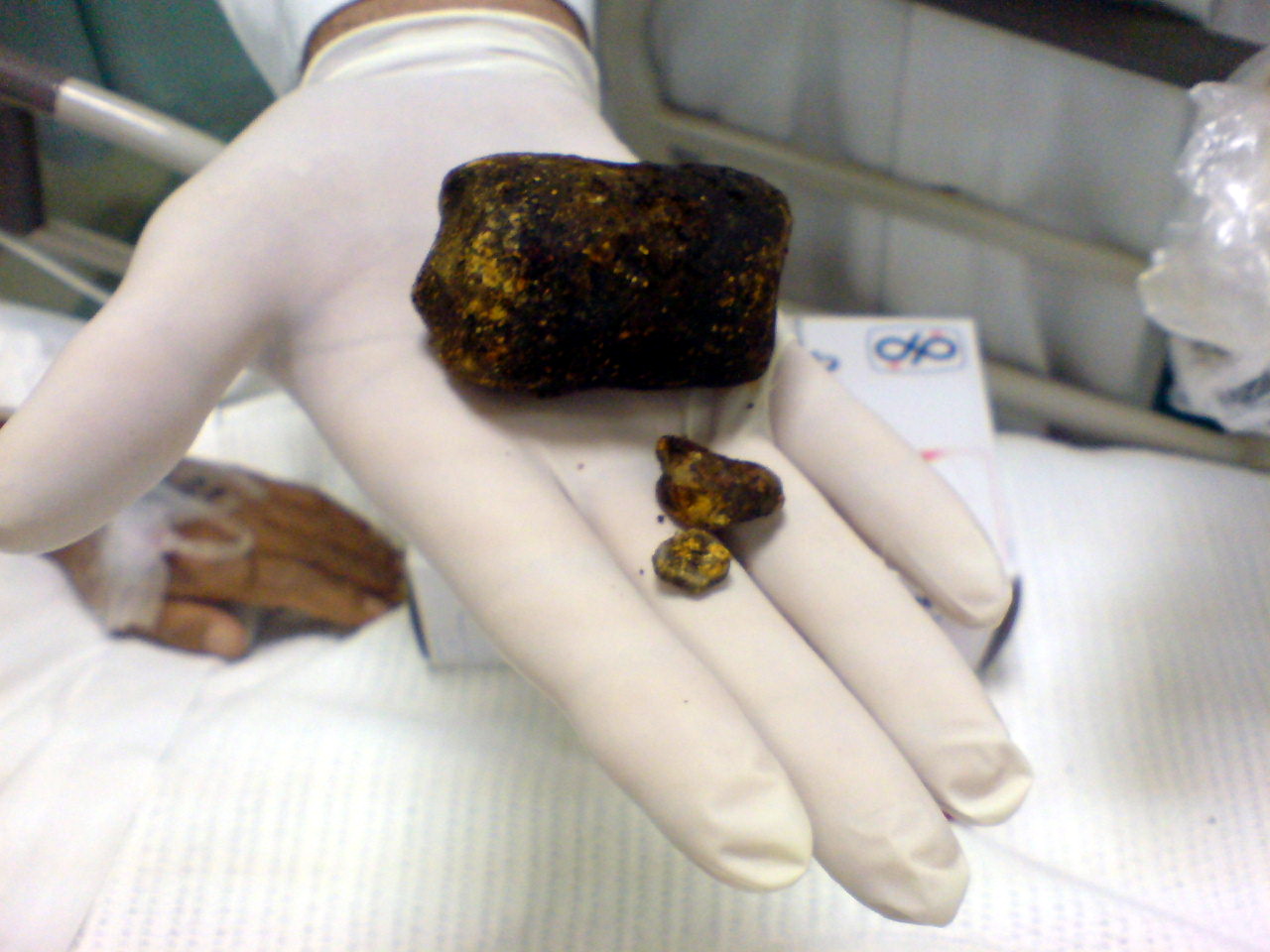
Gallstones are solidified deposits that develop within the gallbladder. These formations vary in size, ranging from minute grains of sand to objects comparable in size to a golf ball. They are predominantly composed of cholesterol, though some may consist of bilirubin or a mixture of both. The formation of gallstones is often associated with an imbalance in the chemical composition of bile, leading to its crystallization.
These stones can block the flow of bile, leading to inflammation, pain, and a potential infection. By removing the gallbladder entirely, a cholecystectomy eliminates the existing gallstones and prevents new ones from forming within the organ. This procedure directly addresses the source of the problem, offering a long-term solution for those who experience recurrent or symptomatic gallstones.
What Does the Process Involve?
A cholecystectomy may be performed using minimally invasive techniques. During a cholecystectomy, a surgeon makes several small incisions in the abdomen, and a thin tube with a tiny video camera is inserted through one of the incisions. The surgeon watches the video feed on a monitor while using special surgical tools to detach and remove the gallbladder through another small incision. This method generally involves less pain and a shorter recovery period compared to traditional open surgery.
What Is Recovery Like?
Recovery from a surgery that uses minimally invasive techniques is relatively quick for most individuals. Patients can often return home on the same day or the day after, and typically resume normal activities within about a week. Some people may experience mild pain or discomfort at the incision sites, but this can usually be managed with medication. It is also common to experience some bloating as the digestive system adjusts to the direct flow of bile.
Following the surgeon’s post-operative instructions is beneficial for a smooth recovery. Dietary adjustments, such as initially avoiding fatty or greasy foods, may be suggested to help the digestive system adapt. Consulting a specialist helps determine what recovery will involve for each situation.
What Are the Benefits?
The primary benefit of gallbladder removal is the treatment of symptoms related to gallstones. Patients who undergo the procedure may experience relief from the severe abdominal pain, nausea, and indigestion caused by gallstones. By removing the organ where stones form, a cholecystectomy prevents future gallstone attacks and reduces the risk of complications.
Treat Your Gallstones Now
If you are experiencing symptoms related to gallstones, consult with a healthcare provider to discuss your treatment options. A cholecystectomy is an effective procedure that can provide lasting relief, and a medical professional will help determine if it is the appropriate course of action for your situation. Addressing your gallstones can lead to improved health and well-being.