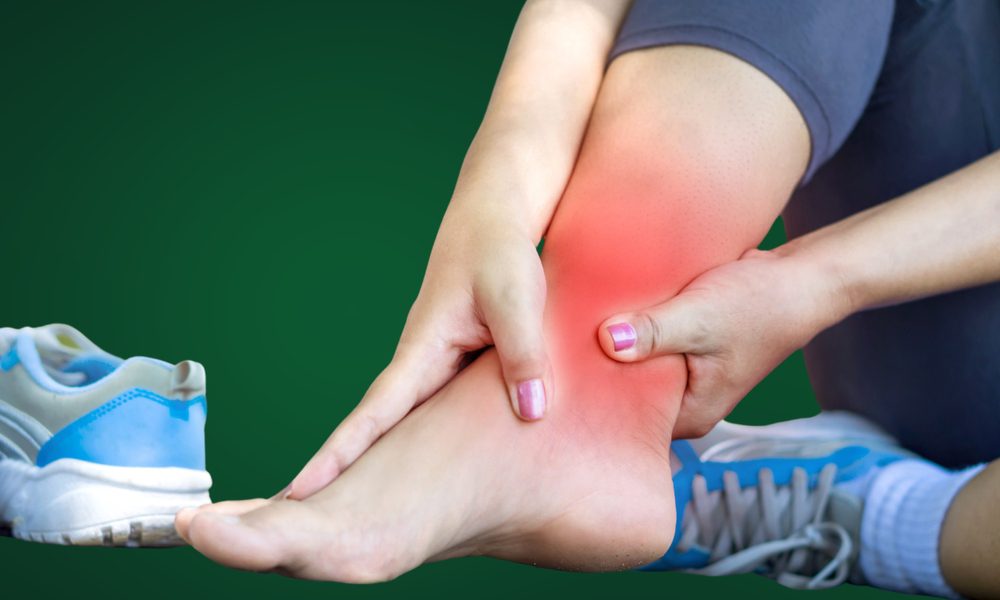

Foot pain is a prevalent issue that affects people of all ages and lifestyles. The human foot is composed of numerous bones, ligaments, muscles, and tendons, and it’s designed to support body weight and facilitate movement. When discomfort arises, daily activities and mobility may be impacted. Here are several causes of foot pain and their solutions:
Identifying Causes of Foot Pain
Several factors can contribute to the development of foot pain, including footwear selection, repetitive activities, and structural variations in the foot. Shoes that lack proper support or have inadequate cushioning place additional stress on the feet. High-heeled designs may increase pressure on the forefoot, altering alignment. Some shoes are intended for style rather than function, and they provide limited stability and shock absorption. Individuals who frequently wear ill-fitting footwear may develop areas of consistent stress, resulting in pain over time.
Repetitive activities, prolonged walking or standing, and high-impact sports are additional contributors to foot pain. Certain occupations require extended periods on hard surfaces, and this may generate fatigue or soreness in the feet. Strain tends to appear in specific regions, such as the heel, arch, or ball of the foot. Adjusting activity intensity and incorporating periods of rest are helpful in minimizing the effects of overuse.
The anatomical structure of each foot affects load distribution and walking mechanics. Individuals may have flat feet, high arches, or pronounced bony features; these all influence how the feet absorb stress. Structural variations such as bunions or hammertoes cause discomfort by altering toe alignment and affecting the fit within footwear. These differences can lead to chronic strain over time, and they may contribute to pain in the ankles, knees, or lower back. Some individuals experience discomfort during their first steps of the day or when wearing tight shoes, which signals an underlying structural issue. Other possible causes of pain include:
- Plantar fasciitis
- Fractures
- Corns and calluses
- Diabetic nerve damage
- Joint inflammation
Adjusting Footwear and Activities
Managing foot pain can involve integrating a combination of supportive footwear and modifying activities. Choose shoes designed for support and stability. Shoes with structured arch support, wide toe boxes, and appropriately thick soles may better distribute body weight and limit excessive pressure. It’s helpful to select footwear that matches the intended activity; some running shoes differ from shoes designed for casual walking or workplace settings. Regularly rotating footwear may also prevent repetitive stress on the same area of the foot.
Alternating high-impact exercises with low-impact activities, such as cycling or swimming, allows the feet time to recover. For those whose occupations require standing, incorporating anti-fatigue mats or shoes with thick soles provides helpful cushioning. Regular breaks also help prevent overuse-related pain.
Implementing Professional Treatment Strategies
Professional treatment is necessary in some cases of foot pain. Anti-inflammatory corticosteroid injections reduce pain and swelling by targeting inflamed tissues directly, providing relief that allows healing to progress. Custom orthotics are designed specifically for an individual’s foot structure. They help redistribute pressure and correct biomechanical issues. These inserts relieve pain, and they prevent future strain on muscles and joints. Combining injections for short-term relief with orthotics for long-term support creates a comprehensive approach.
Partner With an Experienced Podiatrist
Frequent sources of foot pain include footwear selection, repetitive activities, and variations in foot anatomy and biomechanics. Addressing these challenges by choosing supportive shoes and adjusting activity patterns is fundamental for ongoing well-being. If pain persists, worsens, or results from an acute injury, consult a qualified healthcare professional for further assessment and tailored recommendations.