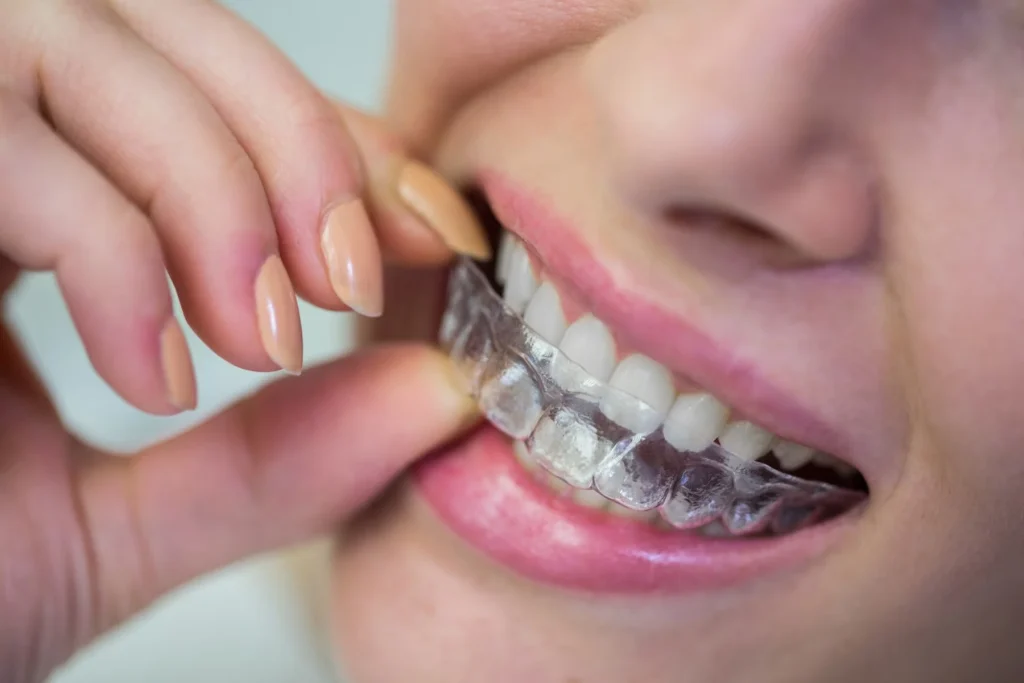

Retainers are devices that help keep your teeth in their new positions. After braces are removed, teeth have a natural tendency to shift back. A retainer helps to prevent this movement. You may experience some pain while adjusting to wearing it, but there are methods to manage this sensation. Here are some tips for managing discomfort from retainers:
Wear Retainers Consistently
Wearing your retainer as directed is the primary way to manage discomfort. Your orthodontist will give you specific instructions. Follow this guidance closely for the best results. When you first get your retainer, your teeth and gums might feel tender. This sensation typically fades over time as your mouth adapts to the appliance with consistent use.
Skipping days makes it harder for your mouth to adapt to retainers. They might feel tight each time you put it back in. This tightness is a sign that your teeth are trying to shift. Consistent wear helps keep your teeth stable and reduces the pressure you feel. You become used to the sensation of the device in your mouth.
You may find that the initial adjustment period passes more quickly. Your mouth can become accustomed to the retainer, and any mild soreness will fade. This consistency trains your teeth to stay in their corrected alignment. Eventually, wearing the retainer becomes a simple part of your daily routine.
Use Pain Relievers
Over-the-counter pain relievers may offer temporary relief from soreness. If you experience tenderness after inserting your retainer, these medications might help. Always follow the dosage instructions on the product label. It is best to use these medications for only a short period of time.
You can also use a cold compress to soothe discomfort. An ice pack wrapped in a thin towel is an effective option when placed on your cheek. The cold may help reduce inflammation and numb the sore area, so you feel less pressure.
Rinse With Saltwater
A warm saltwater rinse can soothe sore gums and cheeks. While the water is still warm, add a small amount of salt to it. Swish the solution in your mouth for about 30 seconds, and do not swallow the saltwater. This simple rinse cleanses the mouth and helps relieve minor irritation caused by the retainer rubbing against soft tissues.
Clean Retainers Regularly
Keeping your retainer clean prevents buildup that could cause irritation. You must clean your device every day. Your orthodontist will recommend a specific cleaning method. Proper cleaning removes bacteria and plaque. This helps keep both your retainer and your mouth fresh and healthy. A dirty retainer can lead to bad breath and gum irritation. Some general cleaning tips include:
- Brushing the retainer gently with a soft-bristled toothbrush.
- Using a non-abrasive cleanser.
- Rinsing thoroughly with cool water after cleaning.
Schedule a Visit for Retainers
If pain persists or you notice your retainer is damaged, schedule an appointment. Your dentist can check the fit and make any necessary adjustments. The device might need to be modified if it is causing significant pain. A sharp edge could be rubbing against your gums, or the fit might be too tight. Contact a dentist today to schedule an evaluation if your retainer is causing persistent problems.