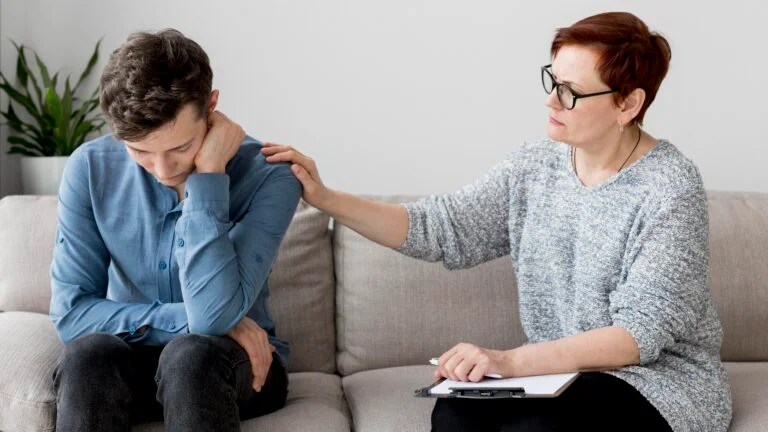

Living with persistent discomfort can be difficult, and its effects often extend beyond the physical sensations. Chronic pain, defined as pain lasting more than three months, can profoundly influence your mental and emotional state. Understanding the relationship between chronic pain and mental health is a key step in managing your overall well-being.
How Does Chronic Pain Affect Mood?
Living with chronic pain can affect not just your body but your emotional state as well. The daily stress of managing pain may lead to noticeable changes in your mood. Many people find that persistent discomfort contributes to:
- Feelings of sadness or hopelessness: The ongoing nature of the pain can feel disheartening.
- Irritability and frustration: It’s easy to feel short-tempered when you’re constantly uncomfortable.
- Anxiety and worry: You might worry about when the pain will flare up or how it will affect your future.
These emotional responses are completely normal. Activities you once enjoyed may now seem too difficult, causing you to withdraw from social events or hobbies. This can create a cycle where reduced activity and isolation further dampen your mood. It’s a common challenge for those with long-term health conditions.
Why Is Mental Health Impacted?
The brain pathways that process pain signals are closely linked to the areas that regulate emotions. When your body continuously sends pain signals to the brain, it disrupts the normal function of neurotransmitters like serotonin and dopamine. These chemicals play a large part in regulating mood, so their imbalance can lead to feelings of anxiety or depression. The constant state of alertness your nervous system maintains can be mentally exhausting.
Sleep disturbances are another common issue for individuals with chronic pain, directly affecting mental health. Difficulty falling asleep or staying asleep because of discomfort may lead to fatigue and reduced cognitive function. Lack of restorative sleep can worsen pain perception and negatively affect your ability to cope with daily stressors. This creates a difficult cycle where pain disrupts sleep and poor sleep amplifies pain.
What Coping Strategies Help?
Developing effective coping strategies may help you manage the psychological effects of chronic pain. These techniques aim to improve your mental resilience and provide a sense of control over your situation. Finding what works for you may involve some trial and error, but the effort leads to a better quality of life.
Here are some practical strategies you can incorporate into your routine:
- Mindfulness and Meditation: These practices involve focusing on your breath and the present moment. They may help calm your nervous system and alter your perception of pain sensations.
- Gentle Physical Activity: Low-impact exercises, such as walking, swimming, or stretching, help release endorphins. These natural chemicals act as mood elevators and can help reduce pain perception.
- Pacing Activities: Learning to balance activity with rest helps you manage your energy. Breaking down large tasks into smaller, manageable steps prevent overexertion and subsequent pain flare-ups.
- Connecting with Others: Sharing your experiences with friends, family, or a support group can reduce feelings of isolation. Social connection provides emotional support and a sense of community.
Integrating these approaches into your daily life can provide a toolkit for navigating the challenges of chronic pain. These methods empower you to take an active role in your well-being, supporting both your physical and mental health.
Consult a Chronic Pain Specialist
Managing the complexities of chronic pain often requires a comprehensive approach that addresses both the physical and psychological aspects. If you are struggling, seeking professional guidance is a positive step toward finding relief and improving your daily function. A specialist can work with you to create a personalized plan tailored to your specific needs and experiences. Taking action to find the right support can make a significant difference in your journey. Find a specialist near you to begin exploring your options for a more comfortable life.