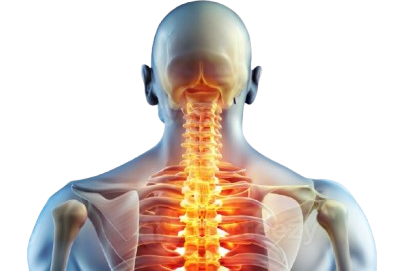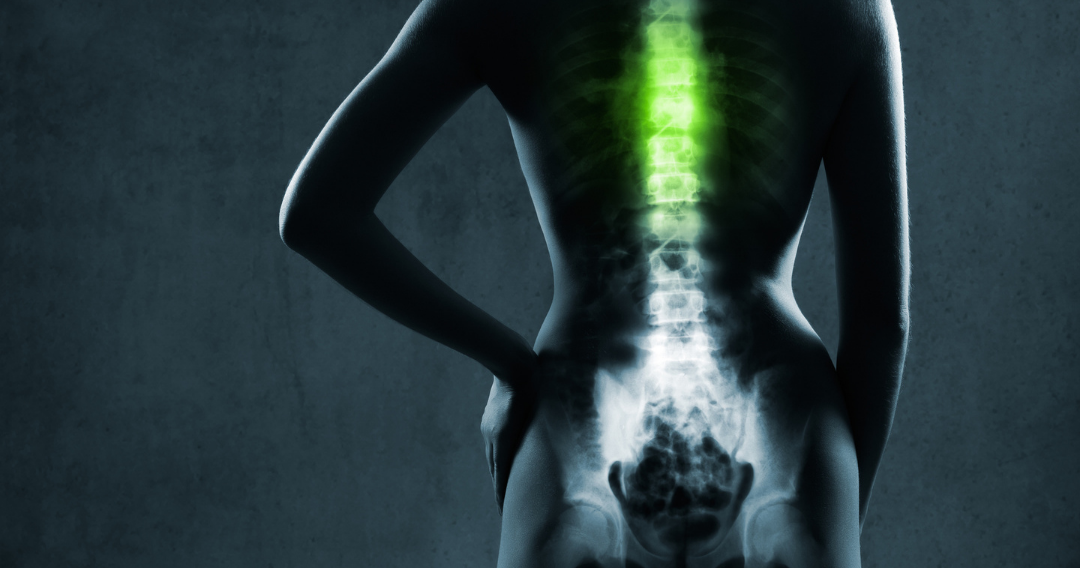
Orthopedics is the branch of medicine that focuses on the musculoskeletal system: bones, joints, muscles, and ligaments that keep the body moving. After an injury or surgery, effective orthopedic rehabilitation is fundamental for restoring strength, flexibility, and function. Exploring key rehabilitation strategies in orthopedics can help patients understand their recovery options.
Role of Orthopedics in Recovery
Orthopedics focuses on treating conditions that affect the musculoskeletal system. This includes bones, joints, ligaments, tendons, and muscles. An orthopedics specialist diagnoses and treats injuries from sports, accidents, or wear and tear. They work closely with physical therapists and other healthcare professionals to create rehabilitation plans that help patients regain strength and mobility after an injury or surgery. Without proper treatment, injuries can lead to long-term problems such as chronic pain or reduced movement. Orthopedic rehabilitation addresses these issues through targeted exercises and therapies.
Principles of Orthopedic Rehabilitation
Successful rehabilitation follows several key principles. It starts with an accurate diagnosis. An orthopedics specialist evaluates the injury to understand its severity and impact. The evaluation results guide the treatment plan. Rehabilitation progresses gradually. Pushing too hard too soon can cause further damage. Patients begin with gentle exercises and slowly increase intensity as they heal.
Rehabilitation is individualized. Each person’s injury and recovery timeline is different. A program that works for one patient may not work for another. Specialists customize plans based on the patient’s age, activity level, and overall health. Consistency is key. Patients must follow their rehabilitation plan regularly to see results. Skipping sessions or exercises can delay recovery.
Rehabilitation involves education. Patients learn how to protect their bones and joints during daily activities. They also learn exercises they can do at home to maintain progress.
Techniques and Therapies Overview
Orthopedic rehabilitation uses various techniques to help patients heal. Here are some of the common approaches:
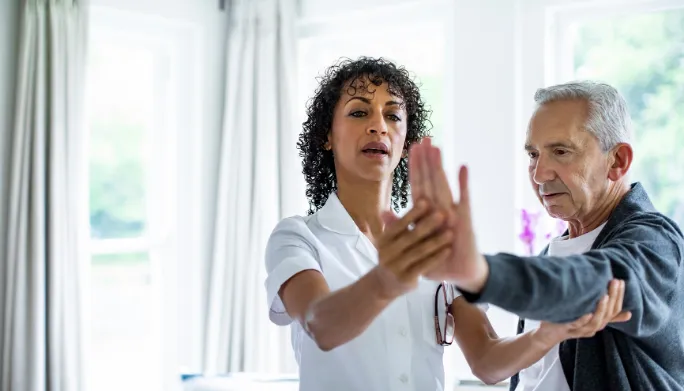
- Physical therapy: Exercises that strengthen muscles, improve flexibility, and restore movement.
- Manual therapy: Hands-on techniques like massage or joint mobilization to reduce stiffness and pain.
- Heat and cold therapy: Using temperature to manage inflammation and promote healing.
- Electrical stimulation: Applying gentle electrical currents to reduce pain and improve muscle function.
- Hydrotherapy: Exercises performed in water to reduce stress on joints while building strength.
Each technique serves a specific purpose. The specialist will determine the right approach for the patient after assessing specific factors.
Benefits of Comprehensive Care
A well-designed rehabilitation plan offers multiple benefits. These include:
- Faster recovery: Structured programs help patients heal quickly than resting alone.
- Reduced pain: Targeted exercises and therapies decrease discomfort and improve quality of life.
- Improved function: Patients regain the ability to perform daily activities and return to sports or hobbies.
- Prevention of future injuries: Strengthening exercises and education reduce the risk of re-injury.
- Better long-term outcomes: Comprehensive care leads to complete healing and fewer complications.
A comprehensive plan addresses the immediate injury and the factors that contributed to it. This approach helps prevent the same injury from recurring.
Consult an Orthopedics Specialist Today
Orthopedic rehabilitation is a fundamental part of recovering from bone and joint injuries. It combines expert care with targeted therapies to restore function and reduce pain. If you’re experiencing pain or limited movement, contact an orthopedics specialist near you to schedule your appointment today.