Anxiety is a common condition, manifesting in various forms and intensities. Learning more about mental health can help individuals recognize their symptoms and seek appropriate treatment. Here is more information on what this condition is, its causes and triggers, common responses, and how professional treatment can provide relief:
What Is Anxiety?
Anxiety is a natural response to stress characterized by feelings of worry, nervousness, or unease about an event or uncertain outcome. While occasional anxiety is a normal part of life, persistent and excessive anxiety may indicate a disorder. Anxiety disorders include generalized anxiety disorder, panic disorder, social anxiety disorder, and specific phobias.
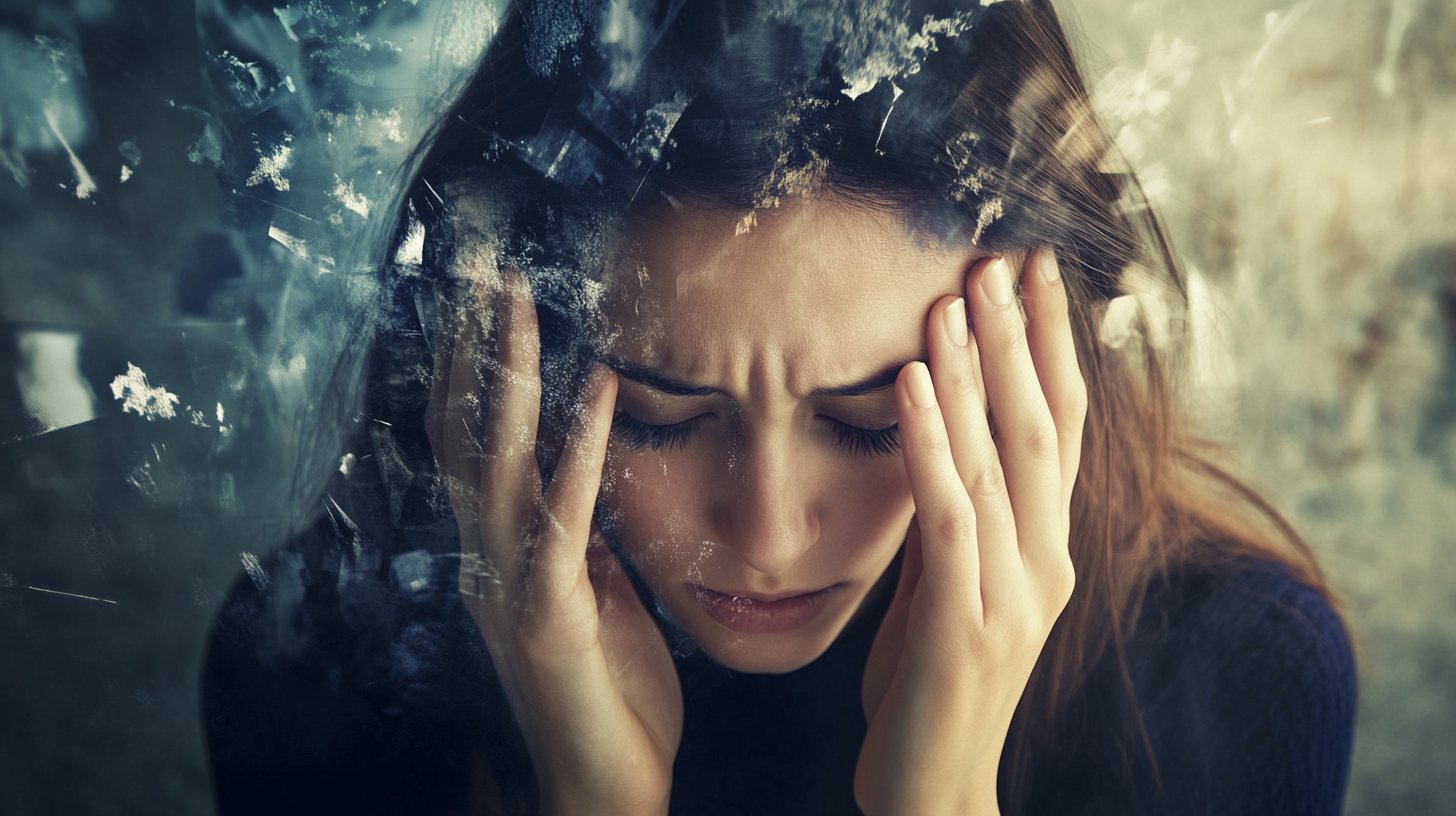
The experience of these disorders varies from person to person. Some individuals experience mild discomfort, while others face debilitating symptoms that interfere with daily functioning. Physical symptoms include increased heart rate, sweating, trembling, and shortness of breath. Psychological symptoms involve racing thoughts, fear, and difficulty concentrating.
What Causes It?
This condition can develop from a combination of genetic, environmental, and psychological factors. Individuals with a family history of mental health disorders may be more susceptible to developing a disorder themselves. Brain chemistry also plays a role, as imbalances in neurotransmitters such as serotonin and dopamine can contribute to symptoms.
Environmental factors such as traumatic experiences, chronic stress, or significant life changes can trigger anxiety. Childhood experiences, including trauma or neglect, may increase the likelihood of developing mental health disorders later in life. Medical conditions, including thyroid disorders and heart conditions, sometimes produce anxiety-like symptoms or exacerbate negative mental health.
What Are Common Triggers?
Triggers are specific situations, thoughts, or experiences that provoke symptoms. Identifying personal triggers is beneficial in managing this condition and developing coping strategies. Common triggers include social situations, work-related stress, health concerns, and relationship conflicts. For some individuals, specific phobias trigger anxiety responses, and these include fear of heights, enclosed spaces, animals, or flying.
What Are the Typical Responses?
Anxiety manifests through physical, emotional, and behavioral responses. Physical responses include increased heart rate, rapid breathing, muscle tension, and gastrointestinal discomfort. These responses result from the body’s “fight or flight” mechanism activating in response to perceived threats.
Emotional responses include feelings of fear, dread, irritability, and difficulty concentrating. Individuals may experience racing thoughts or an overwhelming sense of losing control. Behavioral responses involve avoidance of certain situations, seeking reassurance from others, or engaging in repetitive behaviors. Recognizing these responses helps individuals develop healthier coping strategies and seek treatment.
How Is Professional Treatment Beneficial?
Professional treatment offers structured, evidence-based approaches to managing symptoms and improving quality of life. Psychotropic medication helps regulate brain chemistry and reduce anxiety symptoms. Different types of medication work differently to address various aspects of this condition.
Cognitive behavioral therapy (CBT) is a therapeutic approach that helps individuals identify and change negative thought patterns and behaviors. CBT teaches practical skills for managing anxiety and challenging irrational beliefs. Exposure and response prevention (ERP) is effective for specific phobias and obsessive-compulsive disorder, as it involves gradual exposure to feared situations while preventing the typical anxiety response.
Mindfulness-based cognitive therapy (MBCT) combines cognitive therapy principles with mindfulness practices. This approach teaches individuals to observe their thoughts and feelings without judgment, reducing the intensity of anxiety responses. Working with a mental health professional enables the development of personalized treatment plans tailored to individual needs.
Learn More About Mental Health
Anxiety is a treatable condition that affects many aspects of daily life. If you or someone you know struggles with mental health, seeking professional help is a beneficial step toward recovery. Contact a mental health professional to discuss treatment options and improve your mental health.