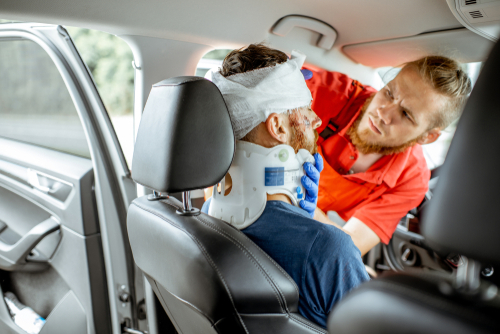
Pediatric brain injuries can affect children’s thinking, movement, and behavior, and these changes often impact daily life at home and school. Addressing these challenges in a pediatric neurology clinic requires structured plans tailored to support both the child and their family. Developing coping mechanisms requires coordination between clinical guidance and practical daily approaches, and consistent collaboration can enhance effectiveness. Here are several key strategies for coping with the aftermath of a brain injury:
Implementing Cognitive Compensation Mechanisms
Cognitive compensation mechanisms in pediatric settings focus on supporting children’s memory, attention, and organization skills following brain injury. The use of external aids helps children anticipate and participate in daily routines. These may include:
- Visual schedules
- Picture-based planners
- Child-friendly digital reminders
- Simplified checklists
Breaking tasks into smaller, age-appropriate components also allows children to focus on achievable goals. Using repetition and consistent cues reinforces these adaptive strategies. Consistent engagement in these organizational routines fosters familiarity, and this can support a child’s abilities and independence over time.
Modifying the Environment
Adapting a child’s environment is fundamental both in the clinic and at home; these changes support daily functioning. Environmental modifications may include reorganizing spaces so that frequently used educational and personal items are easily accessible. Reducing clutter and controlling noise, especially in areas designated for homework or rest, can help minimize distractions. These steps also prevent sensory overload, a common experience among individuals following a brain injury.
Supporting social adaptation involves preparing children for interactions and adjusting expectations based on their needs. This approach encourages gradual skill-building. Planning shorter playdates or providing one-on-one peer opportunities helps manage fatigue, and it allows children to practice social skills safely. Caregivers and clinic staff can collaborate to create effective communication strategies, such as visual aids or brief cues, to help children understand instructions and actively participate in group activities.
Utilizing Behavioral Pacing and Routine
Behavioral pacing helps children recovering from brain injury manage energy and attention, and alternating activity with rest prevents fatigue. For younger children, short, frequent breaks during play and learning support sustained participation while respecting reduced stamina. Establishing predictable daily routines for waking, meals, therapies, schoolwork, and bedtime reduces cognitive demands. Personalized coping strategies are developed collaboratively with families and pediatric neurology professionals. These plans can integrate pacing, environmental supports, and daily routines to strengthen functional stability and monitor progress.
Working Closely With a Neurologist
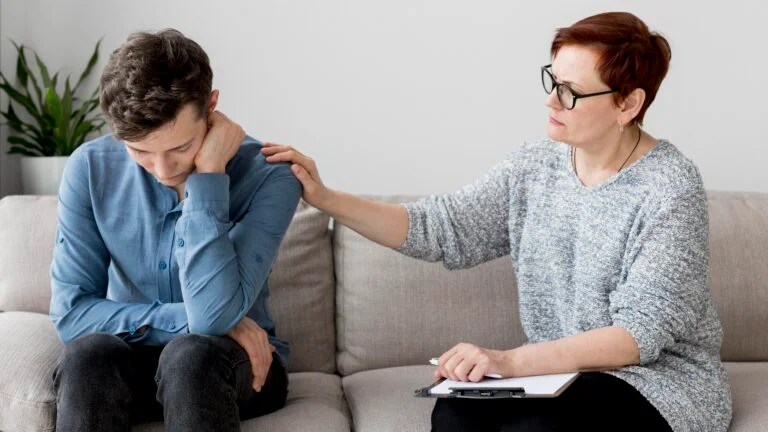
Regular consultations with a pediatric neurologist verify that each child’s recovery plan is tailored to their specific cognitive, motor, and behavioral needs. Neurologists assess progress and adjust therapy recommendations. They identify potential complications early; this allows interventions to remain effective and relevant. Families can benefit from clear guidance on medication management, therapy schedules, and strategies to reinforce skills at home and school.
Ongoing collaboration between caregivers, educators, and the neurologist supports consistent implementation of coping strategies across settings. This coordinated approach can help children generalize skills and participate more fully in daily activities. Periodic follow-up appointments provide opportunities to evaluate outcomes, refine routines, and track progress throughout the child’s recovery.
Find a Pediatric Neurology Expert
Managing the effects of a brain injury can involve cognitive compensation, environmental modifications, and behavioral pacing with consistent routines. These structured coping strategies help children adapt and function independently, and they provide support for their families. Caregivers can collaborate with pediatric neurology specialists and educators to tailor strategies to each child’s unique needs. Partner with a pediatric neurologist to develop personalized care plans and make sure children receive comprehensive, coordinated support.