
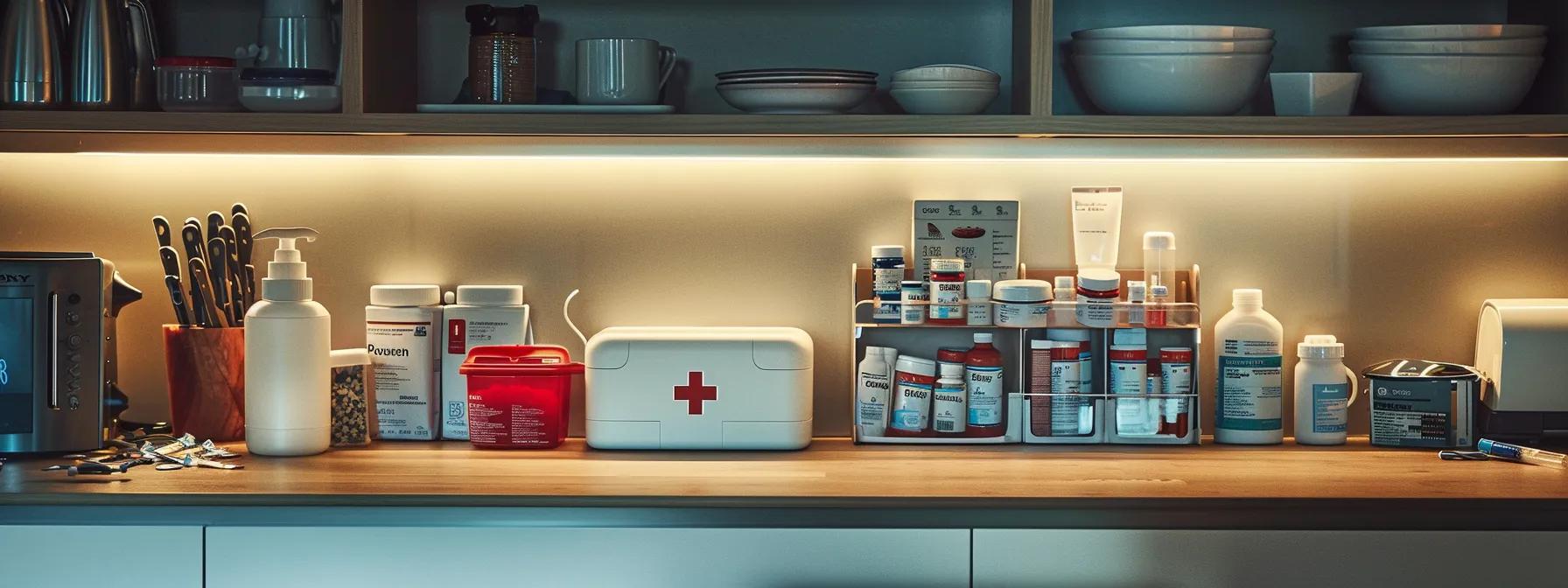
Navigating wound care can be challenging, but understanding the available products is a step toward managing your health. Wound care involves a range of treatments and supplies designed to support the healing process. Here are some products available to patients:
Wound Dressings
Wound dressings play a central role in protecting wounds and guiding the healing process. These materials are placed directly over a wound to guard it from external contamination and manage the local environment. There are many types of dressings, each designed for specific wound characteristics and needs. Selecting a dressing involves assessing the wound’s depth, size, drainage, and the patient’s skin sensitivity. A healthcare provider will match the dressing type with the wound’s characteristics, aiming for comfort and support throughout healing.
Transparent film dressings offer a see-through barrier. This allows you and your healthcare provider to monitor the wound without removing the dressing, which reduces the risk of disturbing new tissue. Hydrogels are another option. These dressings contain a high water content, which soothes dry or painful wounds. Hydrocolloid dressings are designed to maintain a moist wound environment by forming a gel when they interact with wound fluid, helping with wounds that benefit from gentle debridement.
Compression Therapy
Compression therapy involves applying calibrated pressure to a limb to assist blood circulation and help manage swelling. This approach is commonly prescribed for venous leg ulcers, lymphedema, and some post-surgical recovery situations. Compression can be provided by various products, including:
- Multi-layer bandages: Multi-layer bandage systems consist of several layers that work together to maintain consistent pressure, typically for several days. These are commonly used in clinical settings, where nurses apply and monitor them for effectiveness.
- Graduated compression stockings: These stockings enable ongoing management at home. They come in different lengths and levels of compression, which your provider will select to match your needs.
- Intermittent pneumatic compression devices: Some systems use inflatable sleeves connected to a pump. These apply intermittent compression that assists with circulation for those who are less mobile.
Proper application and fit are key to the success of compression therapy. Ill-fitting products may be ineffective or cause discomfort, so your healthcare provider’s assessment and instructions are key. Providers may also teach patients or caregivers how to apply and remove compression products.
Advanced Treatments
When wounds do not respond well to basic care, advanced treatments may be introduced. These methods are typically performed in specialized wound care clinics. Bioengineered skin substitutes replicate the structure of human skin, providing a protective barrier while new tissue develops underneath. These products provide temporary or permanent coverage to wounds that are slow to heal or are particularly extensive. Negative pressure wound therapy uses a vacuum-assisted device that removes fluids from the wound while drawing the edges together. This helps reduce swelling, manage exudate, and maintain a moist environment. Options are evaluated by a wound care specialist, who reviews factors such as the wound’s duration, location, and underlying medical conditions.
Work With a Wound Care Specialist
Managing a wound effectively involves a partnership with a supportive healthcare professional. A wound care specialist is trained to assess your condition and develop an individualized treatment plan. They help you select proper products and demonstrate how to use them safely. Following their instructions leads to a clear and structured plan for your recovery. Contact a wound care specialist today to schedule a consultation.