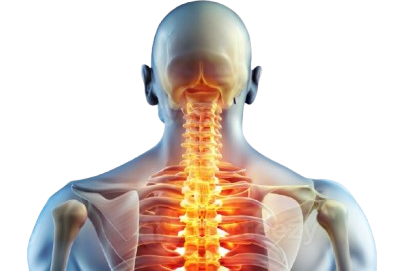

Understanding the nature of back pain and back injuries is the first step toward addressing them effectively. Pain can be categorized based on its duration and origin, with the primary distinction being between acute and chronic back pain. Acute pain is typically a short-term episode, often triggered by a specific event or injury. It can appear suddenly and resolve within a few days or weeks. Chronic pain, by contrast, is defined as pain that persists for three months or longer. Its intensity may fluctuate, but its ongoing presence can have a broader impact on daily life and well-being.
What Causes Back Injuries?
The spine is a complex structure of bones, joints, discs, and nerves. Back injuries or conditions affecting any of these components can lead to back pain. Various factors can contribute to back injuries, though the presence of these factors does not guarantee an injury will occur.
Poor posture and prolonged sitting can place strain on the spinal structures over time. Degenerative conditions, such as osteoarthritis, may lead to changes in the joints of the spine. The intervertebral discs, which act as cushions between the vertebrae, can also be a source of pain if they experience a tear, bulge, herniation, or rupture.
Structural irregularities can also play a role. Scoliosis, characterized by a sideways curvature of the spine, can contribute to discomfort. Osteoporosis weakens bones, increasing the risk of vertebral compression fractures. Direct trauma from events such as falls or car accidents can cause immediate and significant damage to the back. Another condition, spinal stenosis, involves the narrowing of the spinal canal, which can put pressure on the spinal cord and nerves.
What Are the Symptoms?
The symptoms of acute and chronic back pain differ in their presentation and timeline. Acute back pain often has a sudden onset following an activity or injury. The discomfort can be described as sharp, shooting, or localized to a specific area. It may be accompanied by muscle spasms and a noticeably limited range of motion, making it difficult to bend, twist, or stand upright.
Chronic back pain is characterized by its duration, lasting beyond the typical three-month healing period. The pain may manifest as a persistent dull ache or involve intermittent, sharp flares. Individuals with chronic pain might experience stiffness. Specific symptoms associated with back pain may indicate a need for prompt medical attention. These include numbness or weakness in the legs, pain that worsens, changes in bladder or bowel control, a fever, or unexplained weight loss.
How Are They Managed and Treated?
Approaches to managing back pain vary depending on whether the condition is acute or chronic. For acute episodes, management often focuses on short-term relief. This can involve activity modification, where certain movements that aggravate the pain are temporarily avoided. Applying heat or ice can help soothe muscle soreness and reduce inflammation. A graded return to normal activity is generally encouraged to prevent stiffness.
For chronic back pain, management strategies are more longitudinal. Guided physical therapy is a common component of care, focusing on strengthening the back and abdominal muscles to improve core stability. A physical therapist can also teach proper flexibility exercises and advise on better posture and movement habits. In some cases, a clinician might discuss the use of imaging studies or referrals to other specialists.
Consult With an Orthopedic Specialist
During a consultation, an orthopedic specialist will conduct a thorough evaluation. Based on this assessment, the specialist can help identify the underlying cause of your discomfort. They can coordinate your care, which may include ordering diagnostic tests, recommending therapeutic options, or referring you to other healthcare professionals for specialized care.