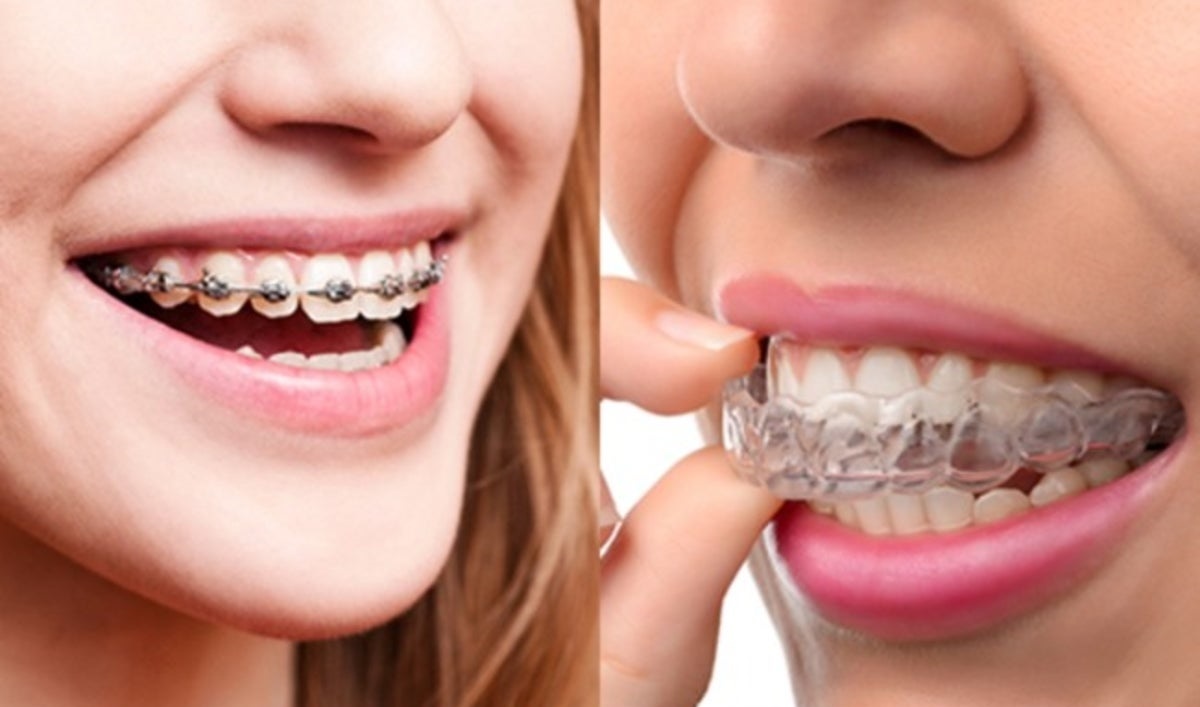
Invisalign treatment uses a series of custom clear aligners to straighten teeth according to a customized orthodontic plan. The aligners work through consistent daily wear and may suit teens and adults seeking an alternative to traditional braces. Candidates for invisalign are evaluated on their alignment goals, jaw development, and ability to wear the trays as prescribed. The treatment process also includes hygiene routines and follow-up care to maintain progress.
Good Candidates
Invisalign is recommended for teenagers and adults, not children, because the aligners require a fully developed jaw. Orthodontists use digital scans to see tooth positions and determine whether clear aligners will suit the patient’s orthodontic needs. Patients will wear aligners for at least 22 hours per day to keep tooth movement on schedule, removing them for eating or drinking anything other than water. Consistent wearing helps prevent slowdowns in the treatment timeline.
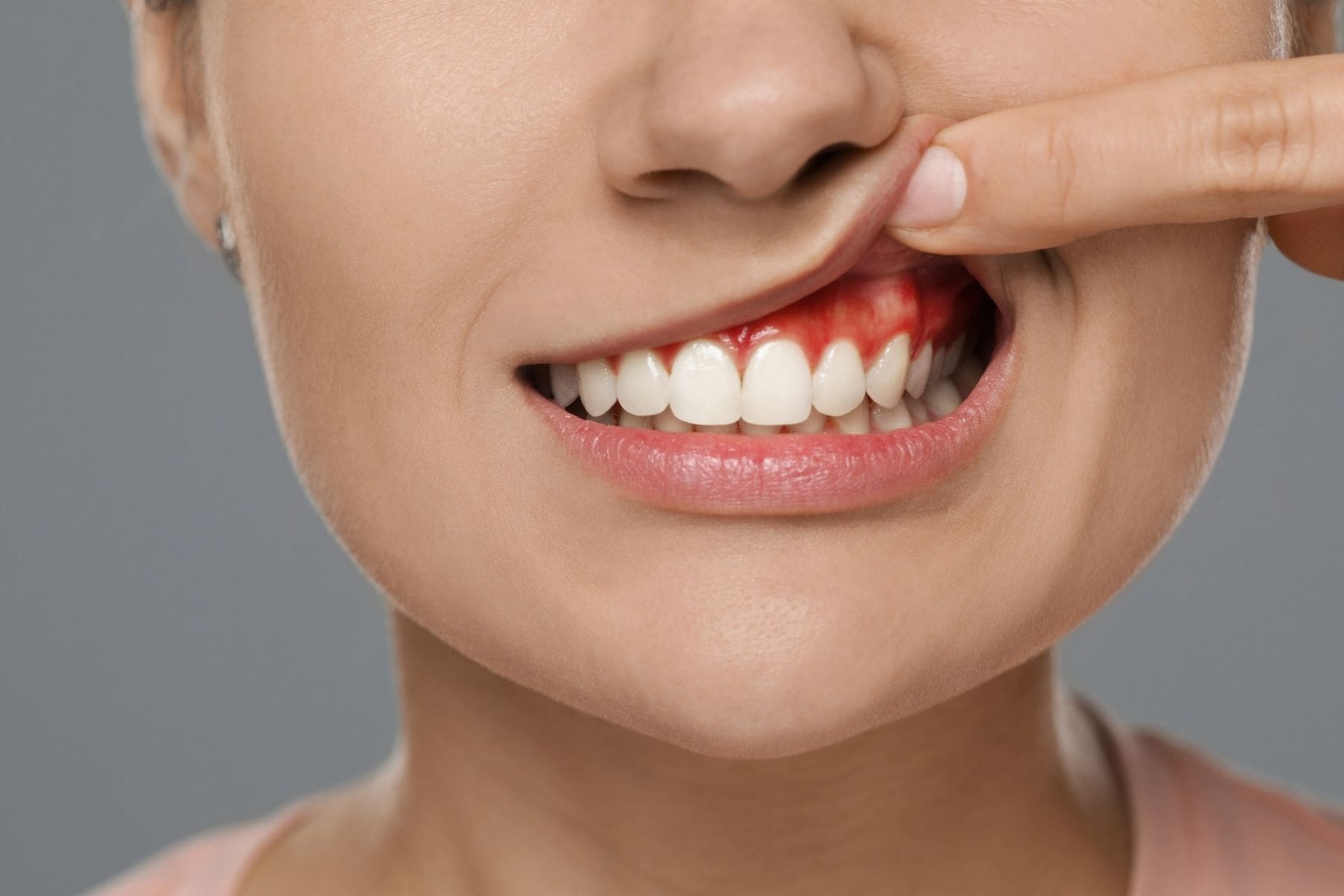
Candidates for clear aligners will also have healthy teeth and gums before starting the straightening treatment. Providers can address concerns such as cavities or inflammation before taking the manufacturing scans to help the trays reflect accurate tooth shapes. Because each set fits a specific stage of alignment, completing recommended dental work before starting clear aligners supports smoother progress. Routine checkups help maintain oral health as teeth shift into new positions.
Problems Invisalign Corrects
Some orthodontic needs require alternative methods, so evaluations determine whether clear aligners are appropriate.
Clear aligners can improve several alignment issues, including:
- Crowding: insufficient space in the mouth causes teeth to overlap or twist.
- Gaps: excessive space between teeth.
- Overbite: the top row of teeth is too far forward.
- Underbite: the bottom row of teeth is in front of the top row.
- Crossbite: the upper teeth rest within the lower row of teeth.
To add more targeted control of tooth movements, orthodontists may use attachments placed on select teeth to help trays achieve specific directional control.
Wearing and Maintenance
To protect the aligners, patients must remove them when eating or drinking anything other than tap water. Brushing the teeth after meals prevents debris from affecting tray fit, and rinsing the trays helps keep them clean. Proper storage keeps aligners protected when not in use.
Each set is worn according to a planned schedule that usually lasts one to three weeks. Mild discomfort can occur with a new set, but this adjustment period is brief. At routine appointments the orthodontist provides the next trays and confirms that movement is staying on track.
Retainers After Invisalign Treatment
Retainers are needed after aligner therapy because teeth may shift again without support. These devices help maintain the alignment achieved during treatment with removable styles or bonded wires placed behind the teeth. Wear schedules often begin with full-time use before shifting to nightly wear once stability improves. Long-term retainer use helps preserve the alignment reached with clear aligner therapy.
Learn More About Clear Aligners
To learn more about clear aligners and to see if you are a good candidate, contact your orthodontist. Clear aligners address crowding, spacing issues, and several bite concerns, and candidates benefit from stable jaw development and consistent wear habits. Maintenance routines and retainer use support lasting alignment. An orthodontic evaluation determines whether this treatment method fits specific orthodontic needs.