
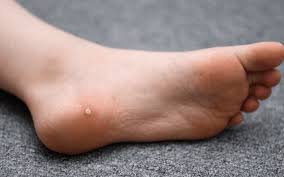
Plantar warts are noncancerous skin growths on the soles of your feet. They are caused by the human papillomavirus (HPV). The virus enters your body through tiny cuts or breaks in the skin on the bottom of your feet. While these warts may disappear on their own, many people seek treatment for pain relief and to prevent the spread of the condition. Here is more information about various treatment options to help manage them:
Medications and Topicals
Several topical treatments work to remove plantar warts layer by layer. Over-the-counter products may contain salicylic acid, and specialists apply them directly to the wart. For more stubborn warts, a doctor might prescribe stronger topical medications. Consistent application is beneficial for ideal results.
A doctor will provide specific instructions, so follow them closely. Application usually involves soaking the foot, applying the medication, and covering the area. Aftercare often includes debriding the dead skin with a pumice stone or file between treatments. This process helps the medication penetrate deeper into the wart tissue.
Recurrence is possible with any treatment because the virus may remain in the skin. With a full course of treatment, you may help reduce this likelihood. Maintaining good foot hygiene also helps prevent new warts from forming.
Cryotherapy Techniques
Cryotherapy is a standard treatment typically performed in a doctor’s office. This method involves applying liquid nitrogen to the wart with a spray or cotton swab. Because the liquid nitrogen freezes and destroys the wart tissue, it may cause a stinging or burning sensation during application.
A blister may form around the wart, and the dead tissue sloughs off within about a week. You may need repeat treatments every two to three weeks until the wart is gone. While the process can be uncomfortable, it is generally a quick in-office procedure.
Laser Therapy
Laser therapy uses an intense beam of light to burn and destroy wart tissue. Doctors may use different types of lasers for this purpose. Laster treatments work by:
- Cauterizing blood vessels feeding the wart.
- Vaporizing the wart tissue.
This treatment can be uncomfortable, so a local anesthetic may be used to numb the area. Laser therapy is typically reserved for plantar warts that have not responded to other treatments. Healing time varies depending on the laser used and the size of the treated area.
Acid Treatment
Stronger acid preparations may be available for in-office application by a healthcare professional. Acid is applied directly to the surface of the wart, and it destroys the proteins within the wart cells. For safety, a healthcare provider can apply the acid carefully to avoid damaging the surrounding healthy skin.
Surgery Options
For warts that resist other forms of treatment, a minor surgical procedure might be an option. One method is curettage, where the doctor removes the wart using a small, spoon-shaped tool. This is typically done in combination with electrosurgery, which uses heat to burn the base of the wart. Another option is a full excision, which involves surgically removing the wart from the skin. Surgery is effective, but it may leave a scar. The procedure is performed with a local anesthetic.
Get Treated for Plantar Warts
Dealing with plantar warts can be frustrating, but various treatments can help you find relief. Speaking with a healthcare provider can help you determine the most suitable path forward. If you are experiencing discomfort from a plantar wart, contact us to schedule an appointment and discuss your treatment choices.