
Your heart serves as the engine of your body, pumping blood and delivering oxygen to every organ and tissue. While general practitioners monitor overall health, a cardiologist specializes exclusively in the cardiovascular system, providing focused care for the heart and blood vessels. This specialized medical professional plays a role in both managing existing conditions and preventing future health crises.
Understanding Heart Specialists
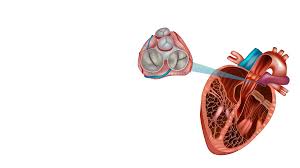
A cardiologist is a doctor with advanced training in diagnosing, treating, and preventing diseases of the heart and blood vessels. These specialists undergo years of education, including medical school, an internal medicine residency, and a cardiology fellowship. They manage a wide range of issues. This includes congenital heart defects present at birth and coronary artery disease acquired later in life. Because the cardiovascular system is complex, many cardiologists subspecialize in areas like interventional cardiology or electrophysiology.
Diagnosing Cardiac Conditions
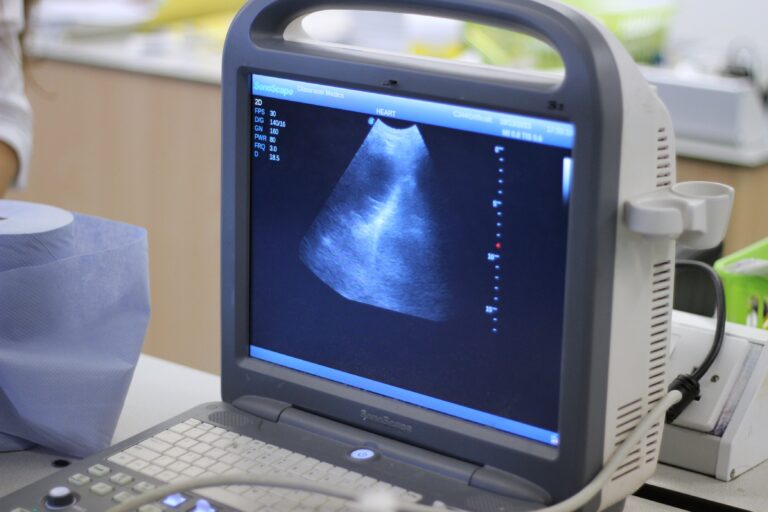
Diagnosis begins with an evaluation of a patient’s medical history and current symptoms. Cardiologists use a variety of diagnostic tools to assess how well the heart is functioning. Common initial tests include an electrocardiogram (ECG or EKG), which records the electrical signals in the heart, and echocardiograms, which use sound waves to create images of the heart’s structure.
If these non-invasive tests suggest an abnormality, the doctor may order more advanced procedures, like cardiac catheterization. This involves threading a thin tube through a blood vessel to the heart to visualize blockages directly. Stress tests measure how the heart responds to exertion, often revealing problems that are not apparent at rest. By combining data from these sources, the physician can pinpoint the exact nature of a cardiac issue.
Treating Heart Disorders
Once a diagnosis is established, a tailored treatment plan is created for the patient. For many, medication is the first step toward lowering blood pressure, reducing cholesterol, or preventing blood clots. If medication is not enough, more direct interventions may be required, such as angioplasty to open blocked arteries or implanting pacemakers to regulate heart rhythm. In more severe cases, a cardiac surgeon may perform bypass surgery or valve replacement. The primary goal throughout treatment is to restore heart function.
Preventing Future Problems
Preventing heart disease is a key focus in modern cardiology, as many conditions can be managed or avoided through simple lifestyle changes. Here are some common prevention strategies:
- Identify risk factors: Physicians help patients recognize risks such as obesity, smoking, high stress, and poor diet.
- Adopt a heart-healthy diet: Focus on eating more fruits, vegetables, and whole grains while reducing saturated fats and sodium.
- Incorporate regular exercise: Physical activity strengthens the heart and improves circulation.
- Make lifestyle changes early: Addressing risk factors early can prevent minor issues from developing into serious conditions.
Taking proactive steps can significantly reduce the chances of a cardiac event and improve overall heart health.
Talk with a Cardiologist Today
Maintaining heart health can be easy with a doctor’s guidance. A cardiologist provides the specialized knowledge helpful to navigate complex cardiovascular health concerns safely and effectively. Early intervention is often the key to successful outcomes, so waiting for severe symptoms to appear is rarely the best strategy. If you have a family history of heart disease or are experiencing concerning symptoms, schedule a consultation to discuss your heart health.