
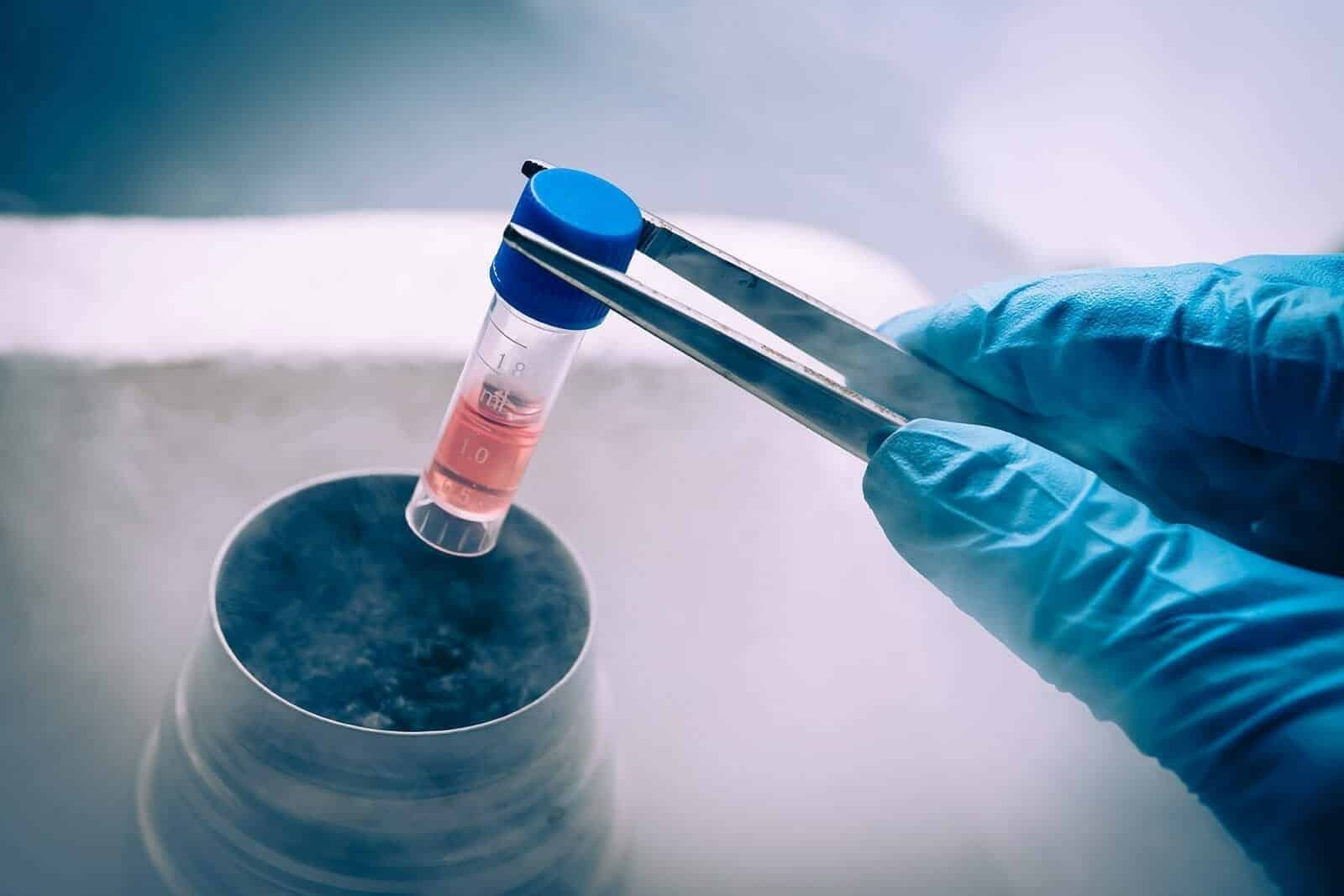
A stem cell is a unique type of cell in the human body that has the ability to develop into many different cell types, from muscle cells to brain cells. In some body areas, these cells regularly divide to repair and replace worn-out or damaged tissues. Here is information on stem cell therapy, how it works, and what conditions it is utilized for:
What Is Stem Cell Therapy?
Stem cell therapy is a form of regenerative medicine that utilizes the body’s natural repair mechanisms. The process involves concentrating stem cells and then introducing them into an area of the body that has sustained damage or degeneration. This therapeutic approach is being explored for a variety of conditions and is often recommended for individuals with chronic pain.
Stem cell therapy is frequently used for orthopedic and musculoskeletal issues. It is applied to conditions affecting joints like the knees, hips, and shoulders, and it’s also used for soft tissue injuries involving tendons and ligaments. This therapy aims to manage symptoms and support the body’s healing processes over time.
Where Do the Cells Come From?
For this regenerative therapy, the cells are most commonly sourced directly from the patient’s own body. This approach minimizes certain donor-related risks, as the cells are a perfect match for the individual receiving the treatment. There are three kinds of stem cells:
- Adult Cells: These cells are for repairing and replacing damaged cells within the body. Adults have hematopoietic and mesenchymal stem cells that help support body processes concerning blood, immune, and tissue health.
- Embryonic Cells: These cells are created during conception, when the sperm and egg meet. They are what create the entire body during fetal development.
- Induced Pluripotent Stem Cells (iPSCs): These cells are created in a lab setting, and they come from adult donors. Adult cells are adapted in a lab, working like embryonic stem options, capable of becoming a variety of cell types.
What a Therapy Session Is Like
A typical therapy session begins with the collection of the patient’s tissue. This procedure is usually performed with local anesthesia to numb the collection site. After the stem regenerative cells are isolated and concentrated, they are prepared for injection, and the physician uses imaging guidance, like an ultrasound, to precisely deliver the cells to the targeted area of injury.
How Cells Work From Your Body
When using a patient’s own cells for therapy, the cells are typically harvested from bone marrow or adipose (fat) tissue. Bone marrow is often extracted from the hip bone, while adipose tissue is commonly collected from the abdominal or buttocks areas. Once collected, these tissues are processed to isolate and concentrate the cells before they are prepared for injection.
Who Is a Good Candidate?
Determining who is a good candidate for this regenerative therapy involves a comprehensive medical evaluation. Individuals with specific orthopedic conditions or soft tissue injuries who have not found relief through more conservative treatments may benefit from this therapy. A physician will review a patient’s medical history, conduct a physical examination, and use diagnostic imaging to assess the injury. The ideal candidate is typically in good overall health.
Learn More About Regenerative Therapy
Regenerative therapy is a developing area of medicine with specific applications for promoting healing. The health condition you have will affect which type of cells are utilized in your treatment. Understanding the process and the source of the cells can help you stay informed about your possible treatments. To determine if this approach is appropriate for your specific condition, consult with a qualified medical professional. A pain management specialist can do a thorough evaluation and offer personalized care plans.