
Varicose veins are swollen, twisted veins that you might see under your skin, and they typically appear on the legs. These veins develop when their internal valves do not work correctly. When blood flow is disrupted, it causes the veins to enlarge. Here is more information about what you can try before getting surgery for varicose veins:
Compression Stockings
Compression stockings apply gentle pressure to your legs, and this pressure helps support your veins, assisting with circulation. You can find different levels of compression available for purchase using this method. A healthcare professional can help you find the right pressure level if you are unsure. While people wear them during the day and remove them before sleeping, the stockings must be worn consistently for any effect.
Your doctor may recommend prescription-strength stockings for more severe symptoms, which provide a higher level of compression. The fit of the stocking is very specific, so measurements of your leg are often taken. You may receive instructions on how to put them on correctly. Proper application helps them work as intended.
Leg Elevation
Elevating your legs is a simple technique, and it’s something you can try at home. When you raise your legs, gravity helps reduce pressure in your veins. You can elevate your legs several times a day. Lie down and raise your legs above the level of your heart.
This action may temporarily alleviate swelling and discomfort associated with varicose veins. Some people prop their legs up on pillows for comfort, and you might also try to elevate your feet while you are sitting down. While elevation provides temporary relief, the symptoms often return when you stand. Consistent elevation sessions throughout the day may offer some relief.
Exercise and Activity
Regular physical activity helps improve blood flow in your legs. Walking is a low-impact exercise that engages your calf muscles. When your muscles contract, they help push blood through the veins. Simple leg exercises may also be beneficial.
In some cases, you might perform calf raises or ankle rotations. These movements promote better circulation, and you can do them while sitting or standing. Any form of regular physical activity is generally better than being inactive for extended periods.
If you have a job that requires prolonged sitting or standing, try to take short breaks. Taking a brief walk for a few minutes every hour is a beneficial habit that can lead to noticeable improvements. Here are some simple exercises:
- Bicycling or using a stationary bike.
- Swimming and water aerobics.
- Walking at a steady pace.
Injections and Laser Therapy
Sclerotherapy is a procedure that involves an injection. A doctor injects a solution directly into the varicose vein. This solution causes the vein to scar, and it forces blood to reroute. The treated vein is eventually absorbed into the local tissue. You may need multiple sessions for optimal results.
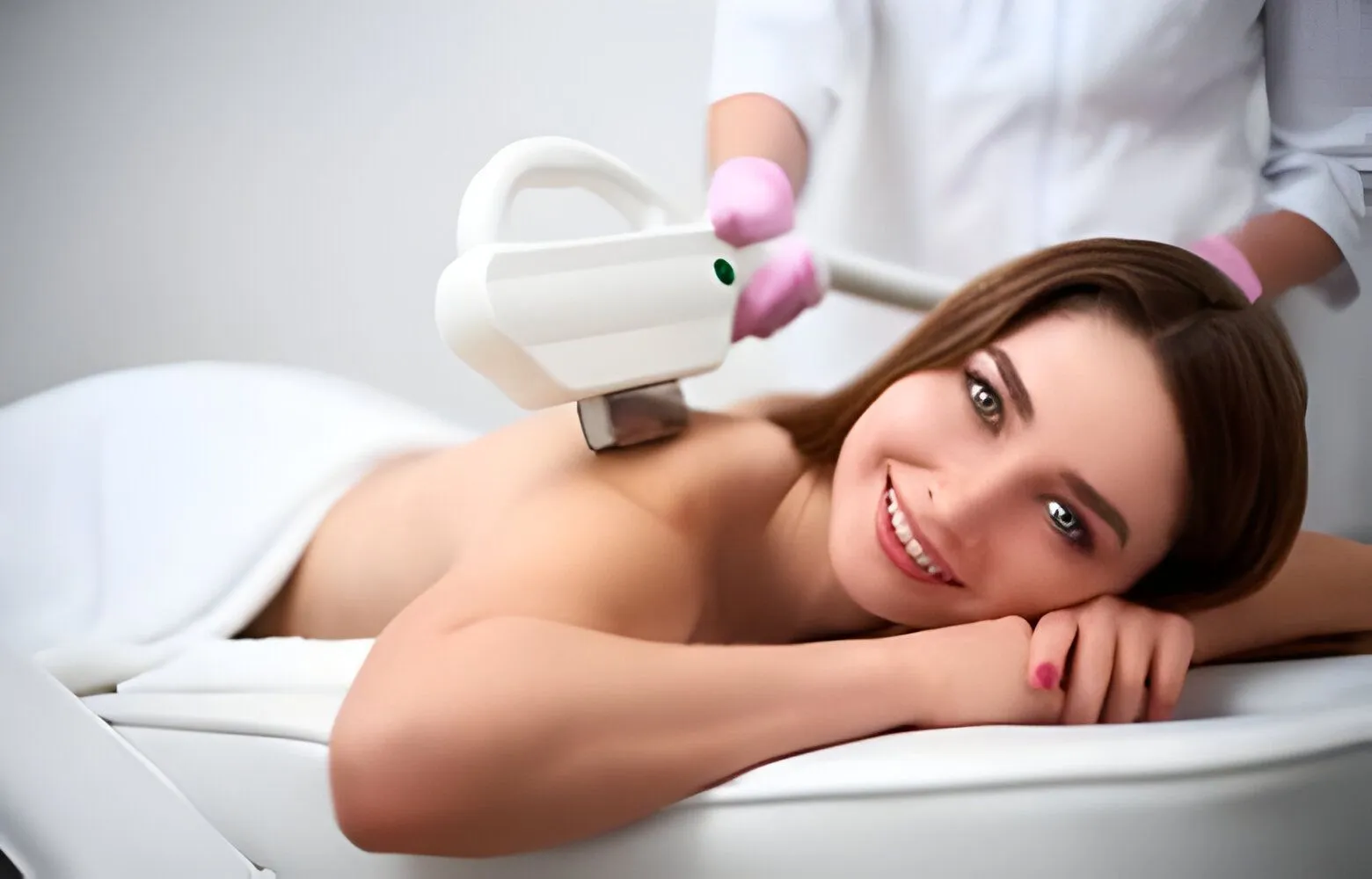
Endovenous laser therapy is another non-surgical option. It uses heat from a laser to close off a problematic vein. A small catheter is inserted into the vein to deliver the laser energy. Blood then flows through other nearby veins instead. The treated vein shrinks and fades over time. Both procedures are performed in a clinic setting.
Get Treated for Varicose Veins
Exploring non-surgical treatments is a step you can take for managing varicose veins. Lifestyle adjustments and medical procedures offer different approaches to managing symptoms. These methods may help you manage discomfort and the appearance of varicose veins. Learning about your options is a positive first move. Schedule a consultation today to discuss your options for varicose vein treatment.