Orthopedic clinics focus on diagnosing and supporting issues affecting your muscles, bones, joints, and ligaments. They provide helpful guidance and a range of services aimed at improving mobility and comfort. Physicians at these clinics can assist with sports injuries and knee pain, and they offer bracing and orthotics. Here’s information about some of the services generally offered by local orthopedic clinics:
Diagnostic Services
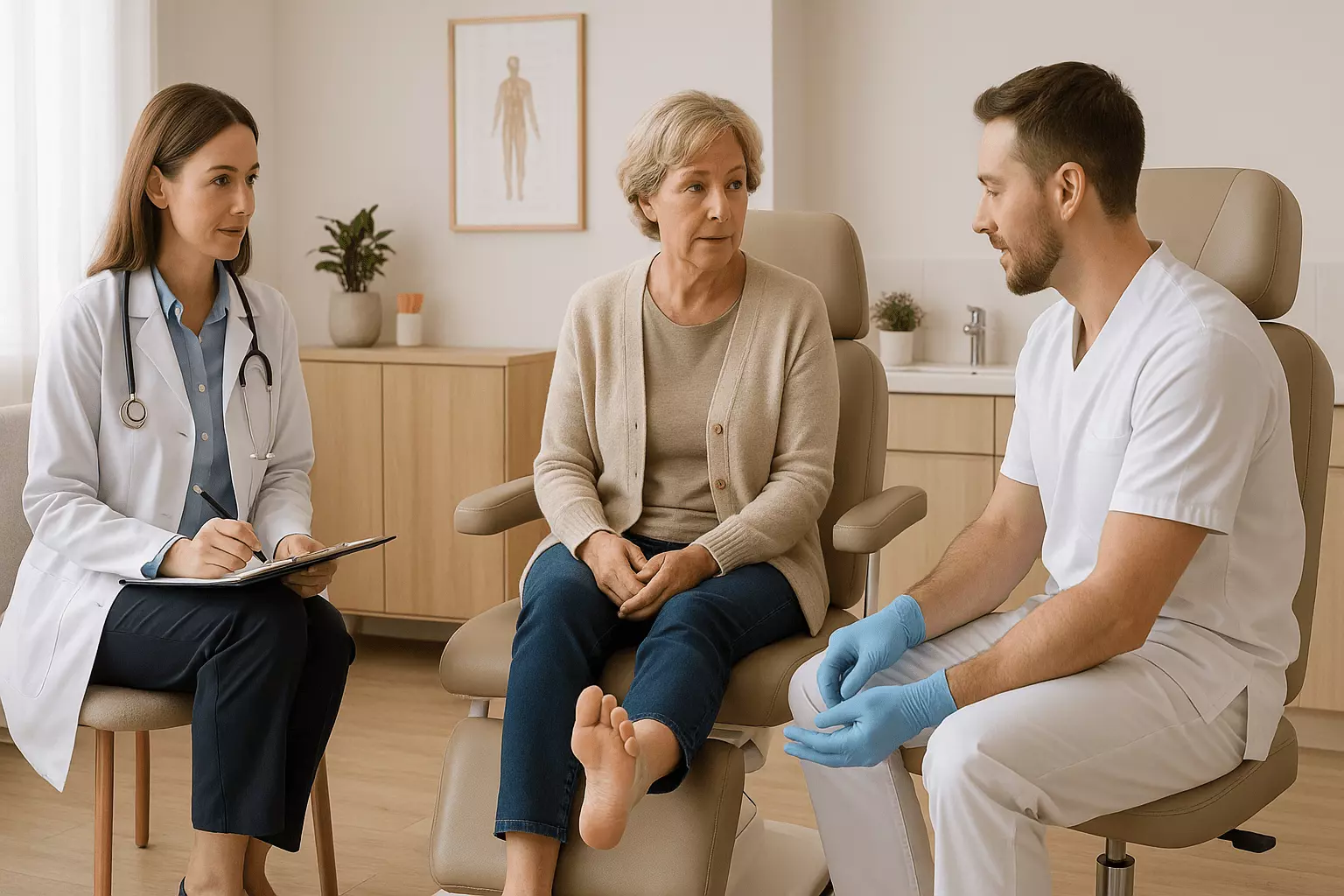
Each recovery experience begins with pinpointing the underlying condition. An orthopedic clinic strives to determine the root of your discomfort, such as tendon or ligament injuries, and they rely on clinical expertise and advanced equipment to accomplish this. An accurate diagnosis creates a solid foundation for helpful care.
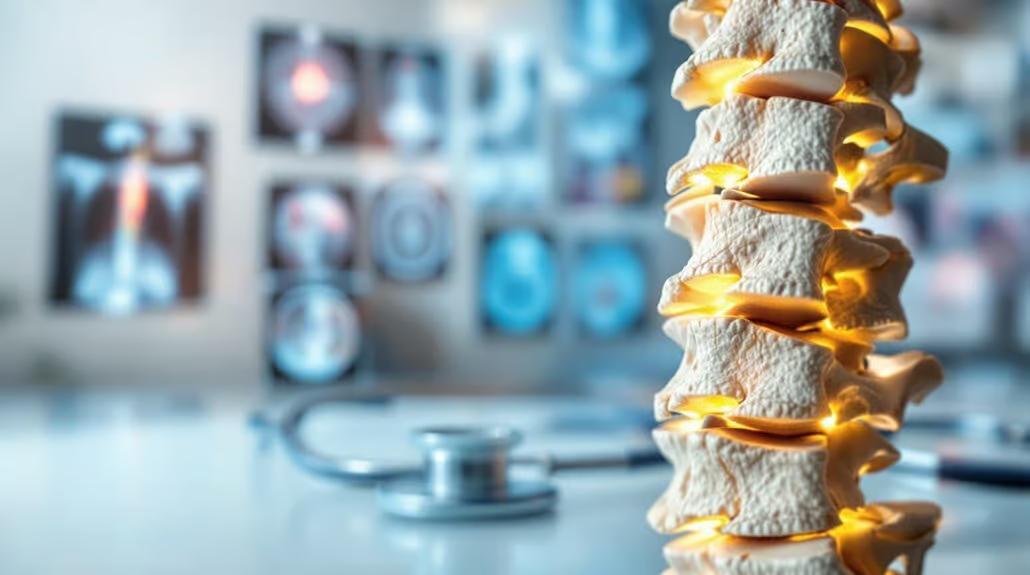
Diagnostic services found at these clinics include examinations and imaging. During a physical exam, your provider reviews your symptoms and health history. Observing your movement, testing muscle strength, and checking flexibility allows the clinician to make careful observations. Advanced tools play a key role; X-rays show changes in bones, while MRI provides a detailed view of muscles and ligaments. Ultrasounds also help provide a clearer picture. Clinics use this fundamental data to map your path forward.
Treatment Options
After reaching a diagnosis, your orthopedic care team will develop a treatment plan that addresses your needs and aligns with your lifestyle. Orthopedic clinics may emphasize the most helpful and least invasive paths first, aiming to support your well-being. Possible treatment approaches include:
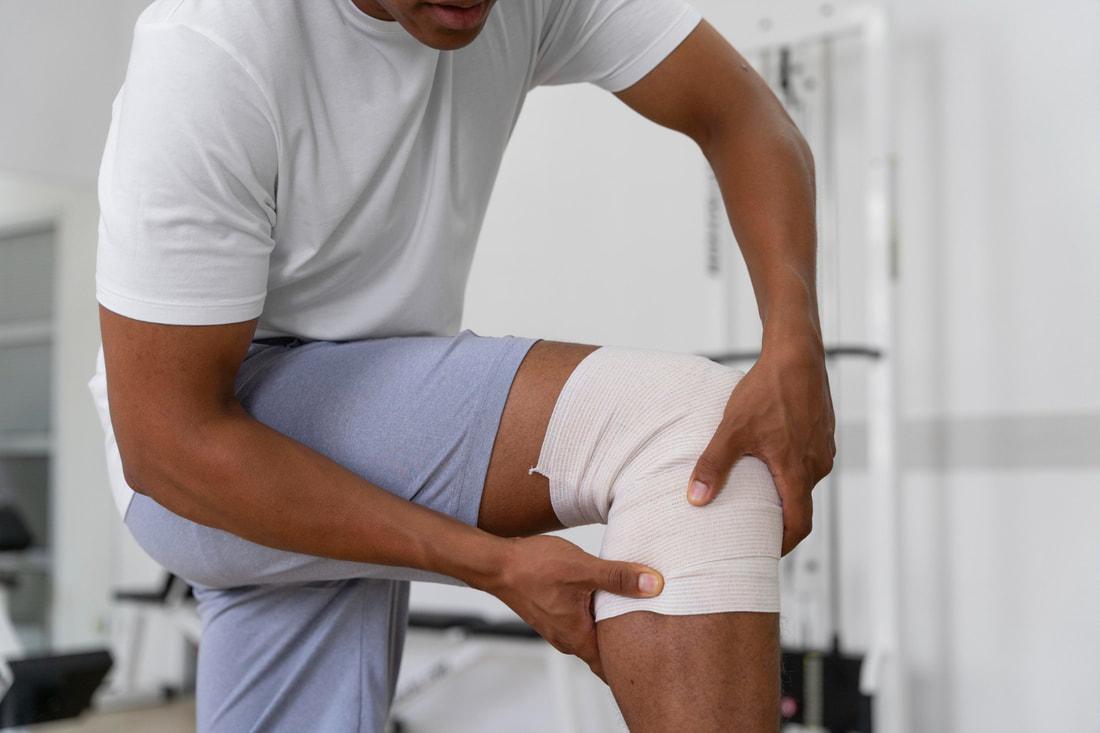
- Non-Surgical Approaches: Some muscle and joint conditions respond positively to non-surgical care. Options such as bracing, casting, or joint support devices can help injuries heal. Injections are used in some cases to reduce inflammation. Lifestyle changes like activity modification or gentle exercise routines can also promote healing and prevent re-injury.
- Surgical Interventions: Surgery is available when non-surgical approaches do not provide relief or when an injury is more complex. These procedures range from tendon repairs and fracture care to joint replacements. Each case receives individual attention, with a goal of restoring your function as efficiently as possible.
Rehabilitation and Physical Therapy
Some recovery processes require rehabilitation; this step can help you regain strength, flexibility, and everyday capabilities. Orthopedic clinics offer physical therapy programs or partner closely with rehabilitation experts to guide you through this process. During therapy, you may engage in targeted exercises meant to gradually restore your range of motion and coordination. Your physical therapist tracks progress and adjusts routines as needed. The step-by-step guidance helps limit setbacks, and it may reduce the chances of future injuries.
Patient Education and Support
Orthopedic clinics dedicate time and resources to help you understand your diagnosis and treatment options. Knowledge enables you to participate in your care and make informed decisions. Education is a key aspect of ongoing clinical support; it allows you to follow treatment plans and recognize when to seek additional help. Providers walk you through what to expect at each phase, and they offer practical advice for home care, joint protection, and injury prevention strategies tailored to your lifestyle.
Visit an Orthopedic Clinic
An orthopedic clinic offers tailored treatment options, rehabilitation services, and patient education. Each service plays a key role in supporting your progress toward better movement and comfort. Professionals will work with you to improve your pain; they can address discomfort in various areas, from your shoulders and elbows to your feet and ankles. If you notice persistent discomfort, limited mobility, or want to contemplate preventive strategies, contact a local orthopedic provider today.